
Topic
Landscape Wall Art
From romantic pastoral oils to contemporary, large-scale geographic photography.
Landscape wall art is the oldest and most universal tool for visually expanding a room. By presenting a horizon line and a sense of deep perspective, a landscape print acts as an architectural window, breaking up solid walls and inviting the eye outward.…
By the numbers
- Works
- 548
- Mediums
- 4
- Artists
- 23
548 Landscape works
 Configure →
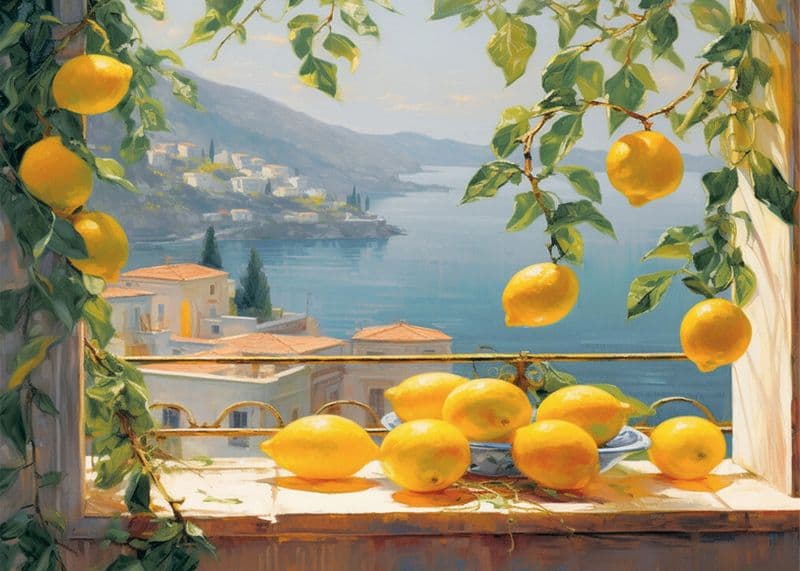
Lemon Garden with Lake View
 Configure →
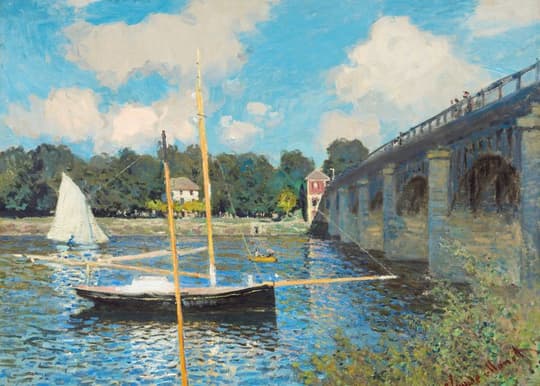
Sailboats on the Thames
Alfred Sisley
 Configure →
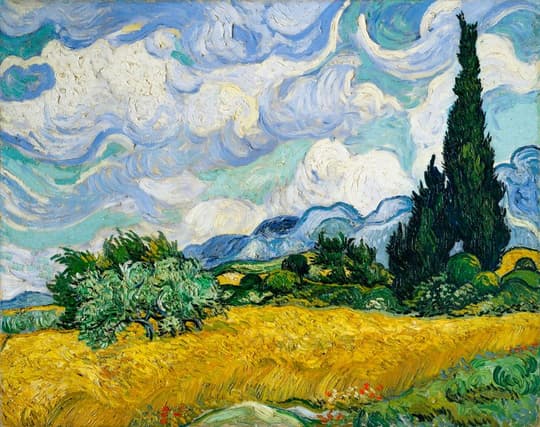
Wheat Field with Cypress
Vincent van Gogh
 Configure →
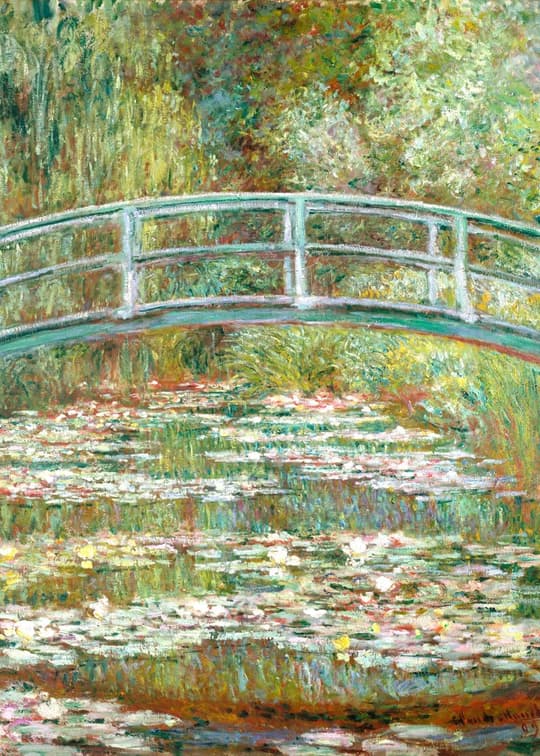
Japanese Bridge with Water Lilies
Claude Monet
 Configure →
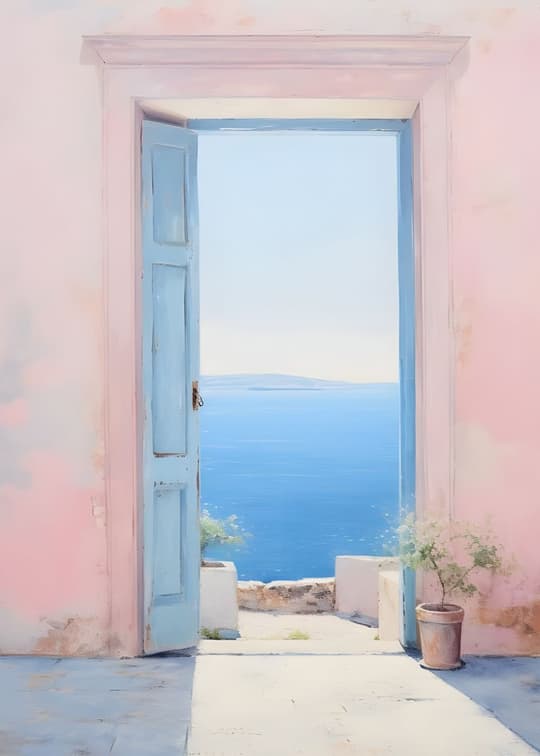
Mediterranean Door to the Sea
 Configure →
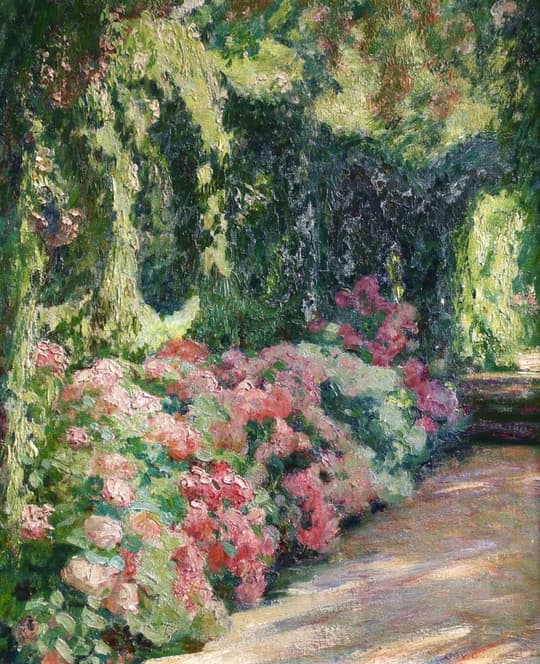
Garden Archway with Roses
Claude Monet
 Configure →
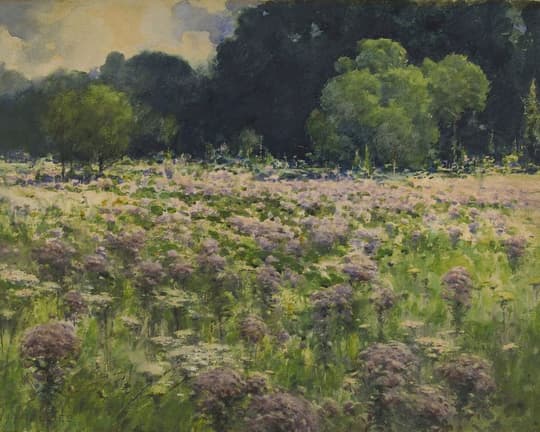
Field of Purple Flowers at Dusk
 Configure →
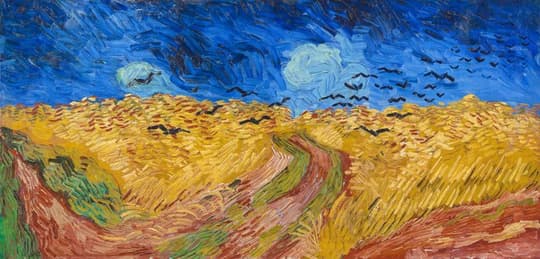
Wheat Field with Crows
Vincent van Gogh
 Configure →
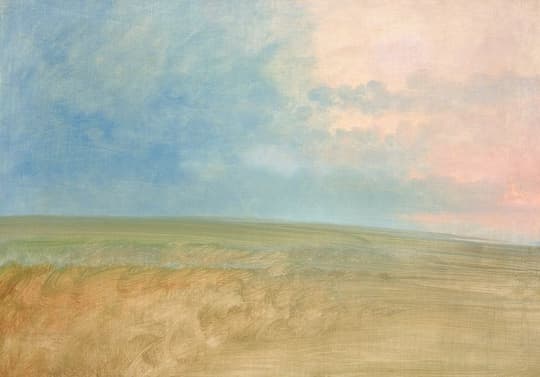
Windswept Grain Field
 Configure →
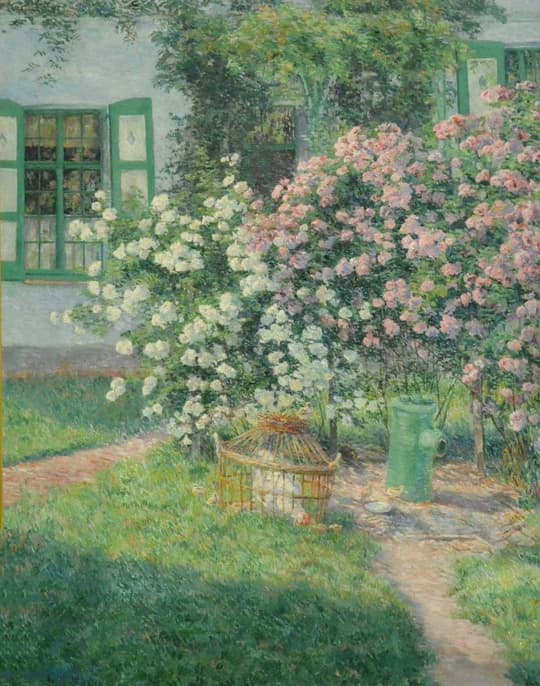
Garden in Bloom
 Configure →
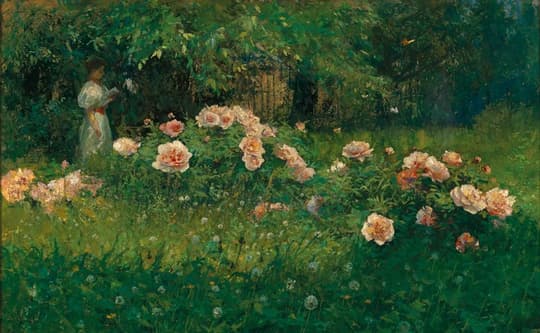
Woman in Rose Garden
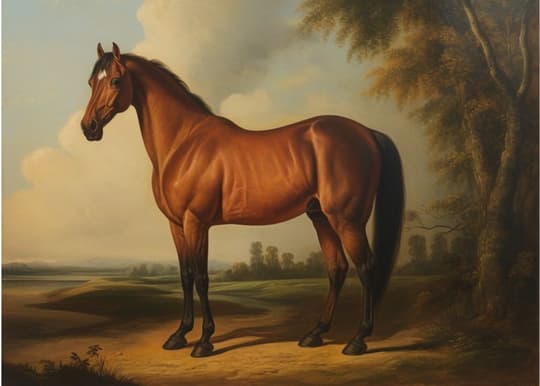 Configure →
Portrait of a Bay Horse
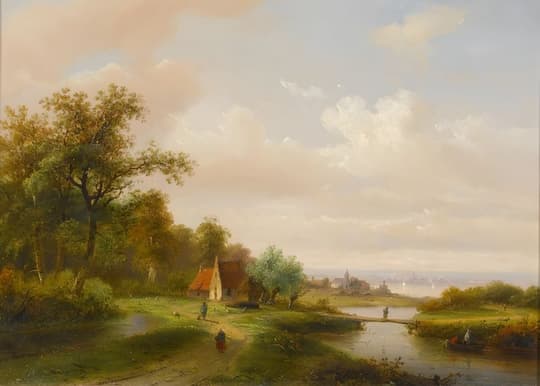 Configure →
Tranquil River Landscape with Country Church
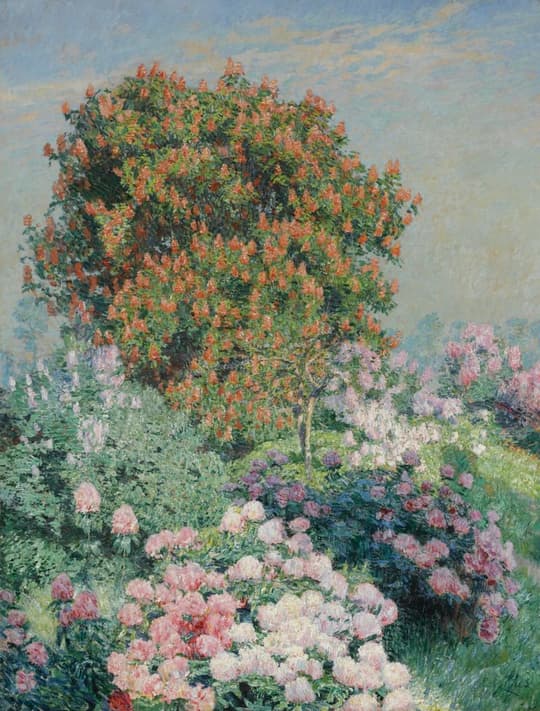 Configure →
Flowering Tree in Garden
Claude Monet
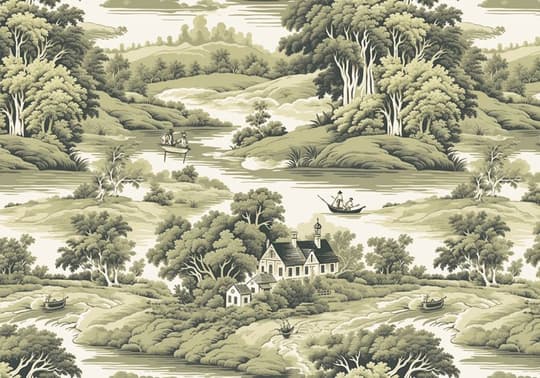 Configure →
Riverside Manor Toile
 Configure →
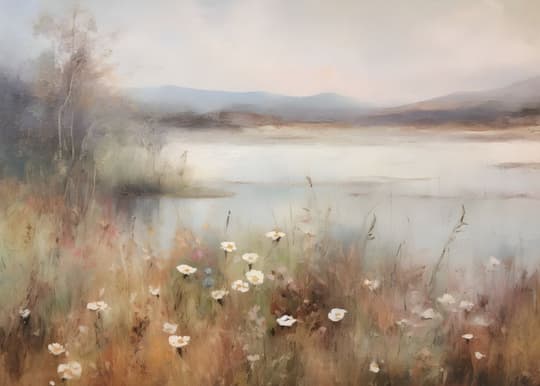
Misty Lake with Wildflowers
 Configure →
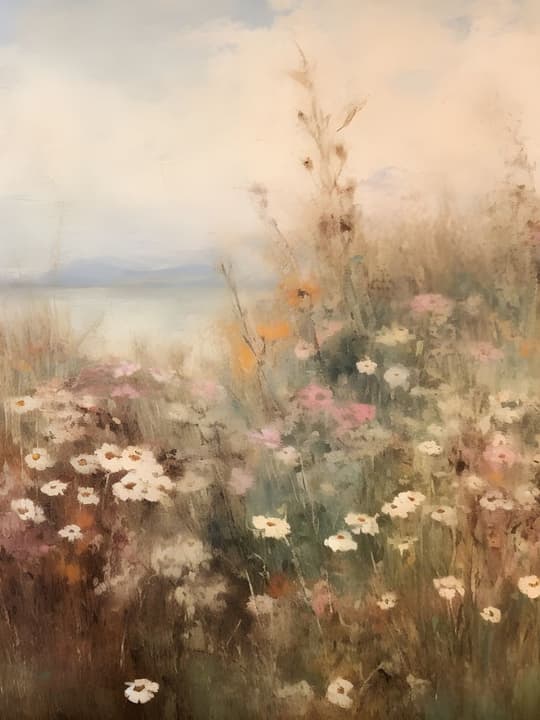
Lakeside Wildflower Meadow
 Configure →
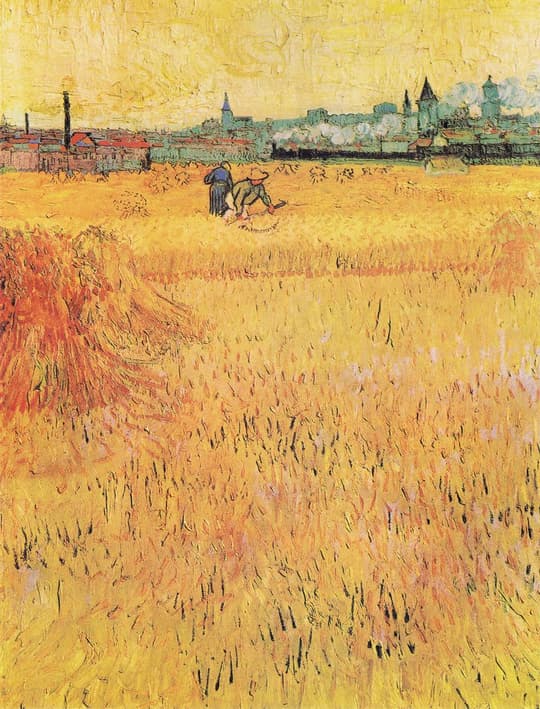
Arles Wheat Field
Vincent van Gogh
 Configure →
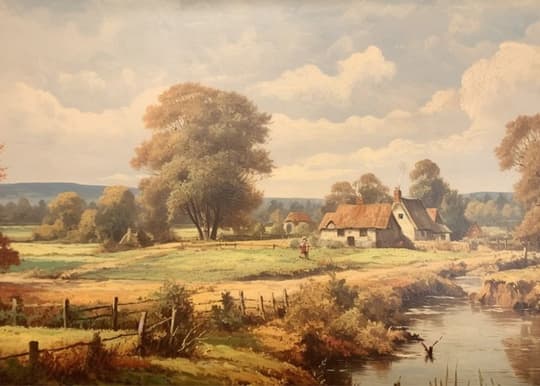
Riverside Cottage Landscape
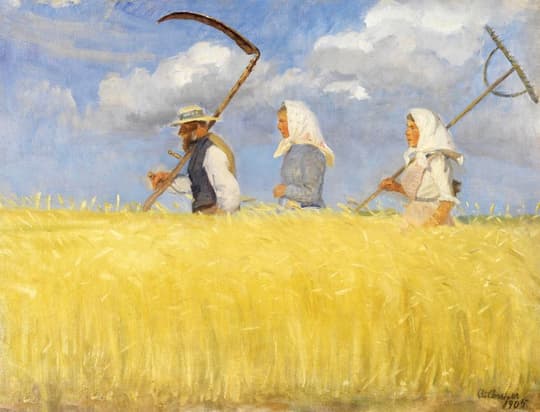 Configure →
The Harvesters
Akseli Gallen-Kallela
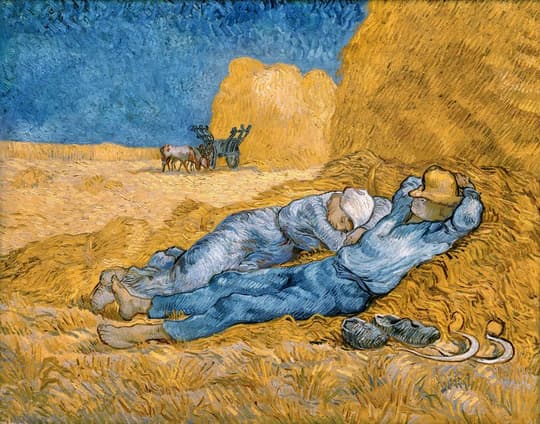 Configure →
Siesta in the Wheat Field
Vincent van Gogh
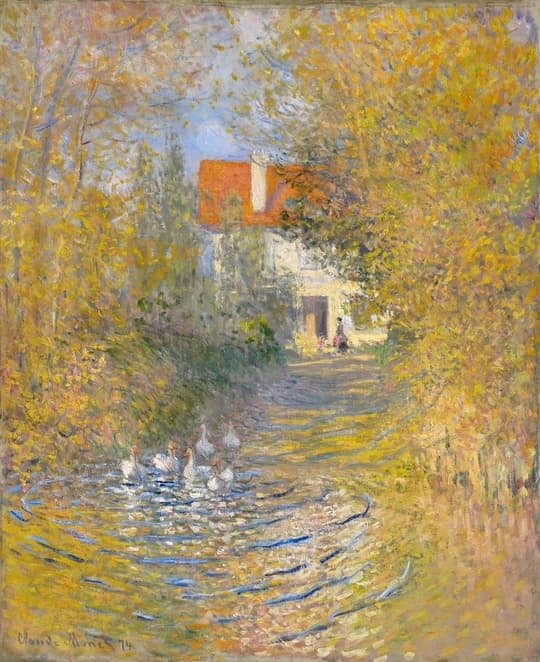 Configure →
The Japanese Bridge in Giverny
Claude Monet
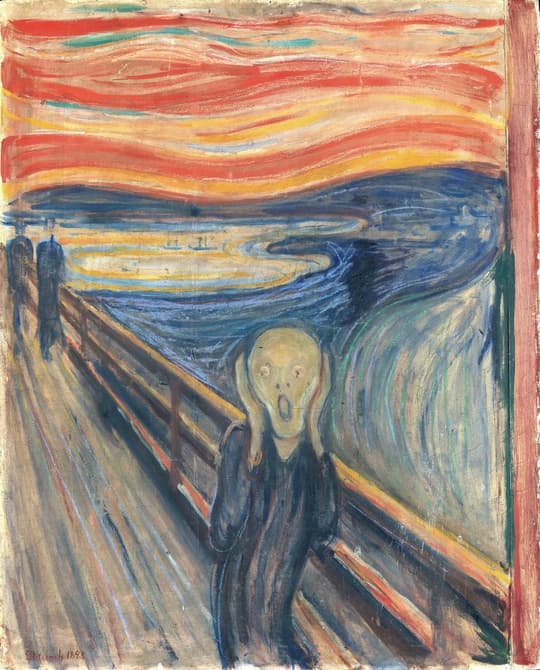 Configure →
The Scream
Edvard Munch
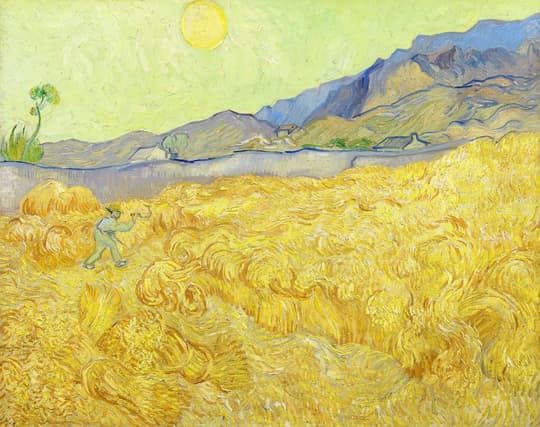 Configure →
Wheat Field with Reaper
Vincent van Gogh
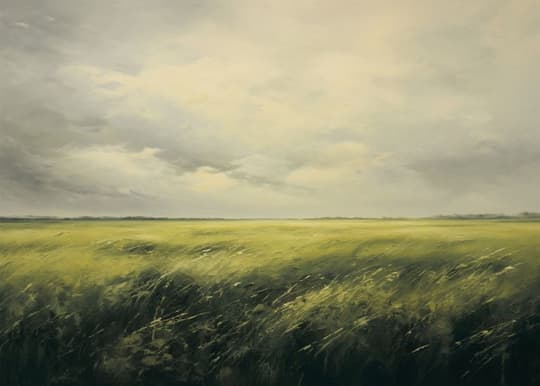 Configure →
Windswept Grain Field
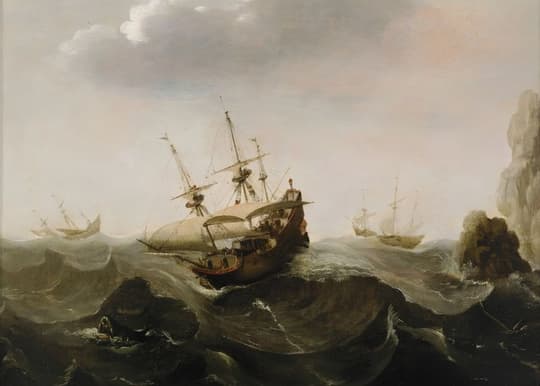 Configure →
Ships in Stormy Waters
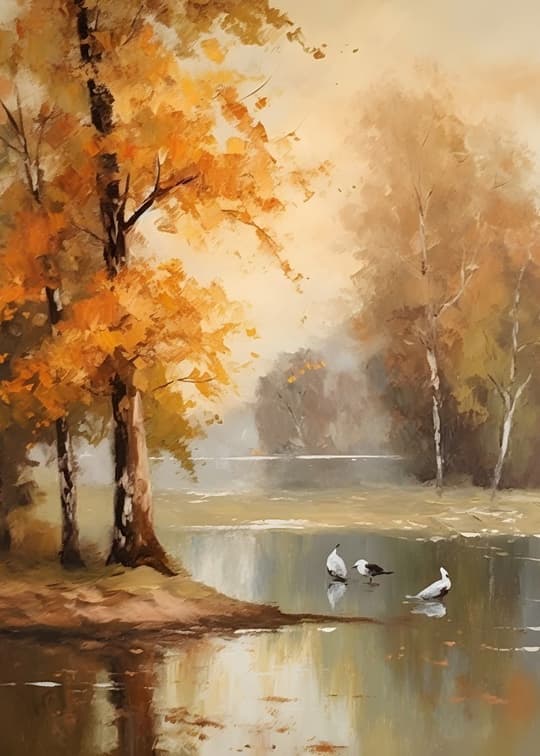 Configure →
Autumn Lake with Waterfowl
 Configure →
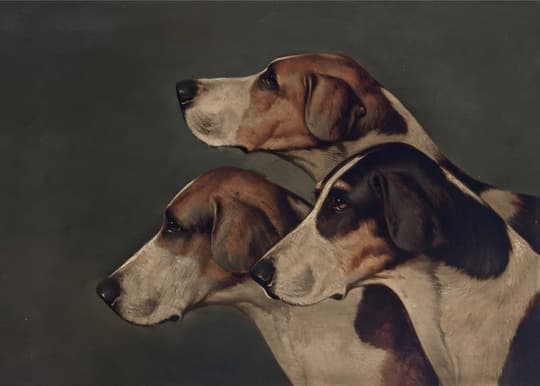
Three Hunting Dogs
 Configure →
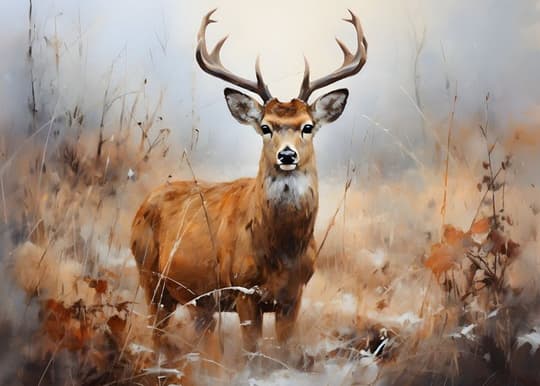
Stag in Winter Brush
 Configure →
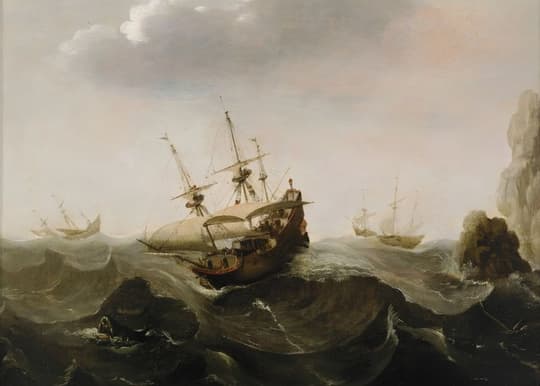
Sailing Vessels in Stormy Seas
 Configure →
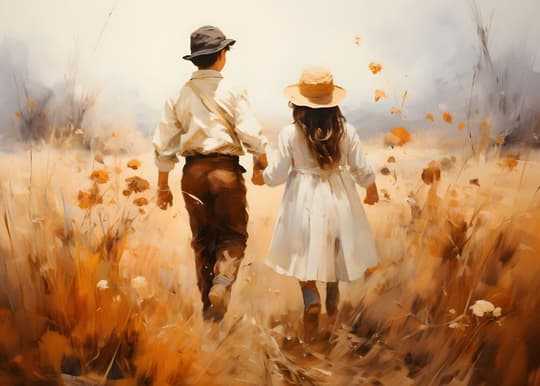
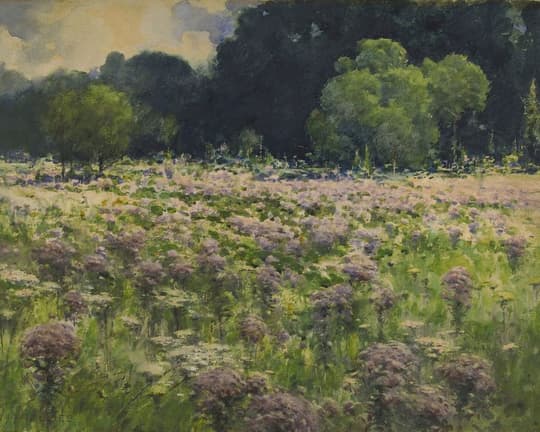
Summer Run Through the Fields
 Configure →
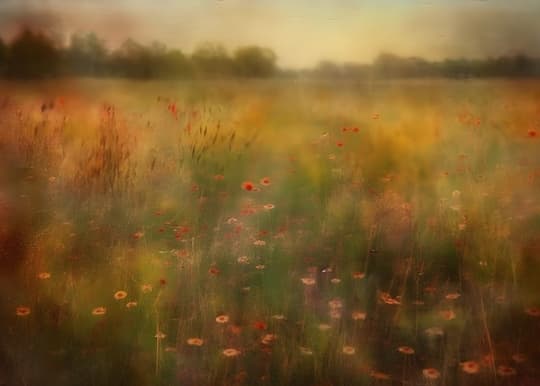
Field of Flowering Trees
 Configure →
Poppy Field at Sunrise
 Configure →
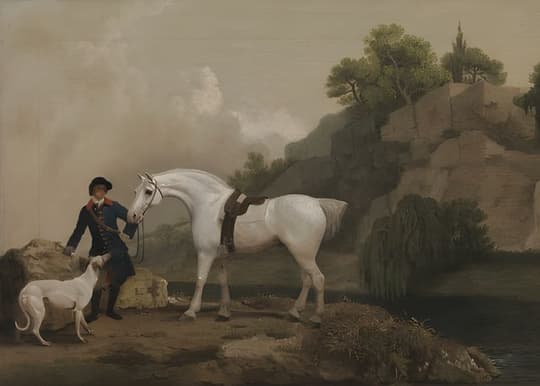
Officer with White Horse and Dog
 Configure →
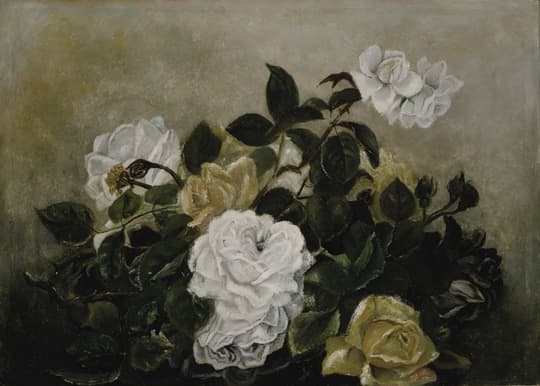
White and Golden Roses with Dark Foliage
 Configure →
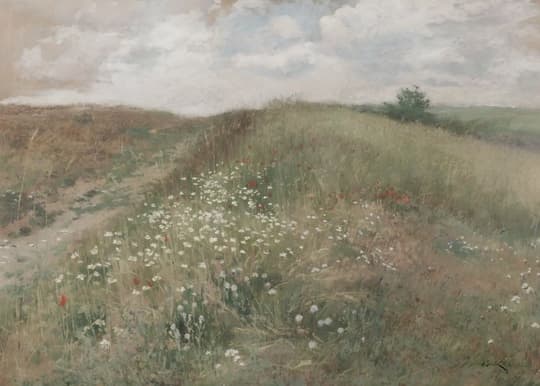
Wildflower Meadow Landscape
 Configure →
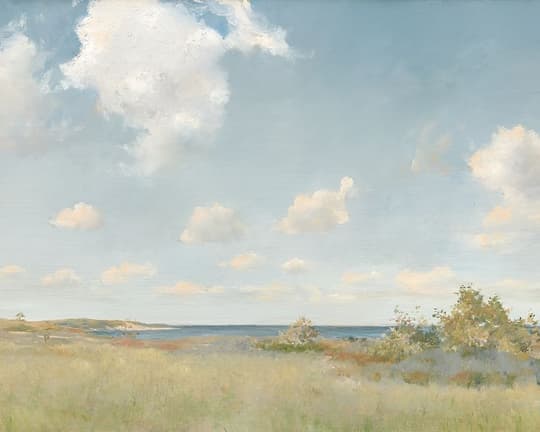
Coastal Meadow under Soft Sky
 Configure →
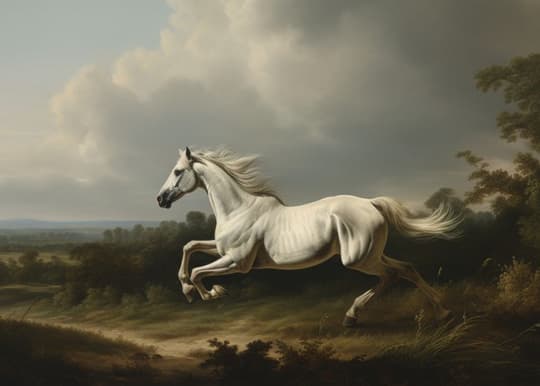
White Horse in Motion
 Configure →
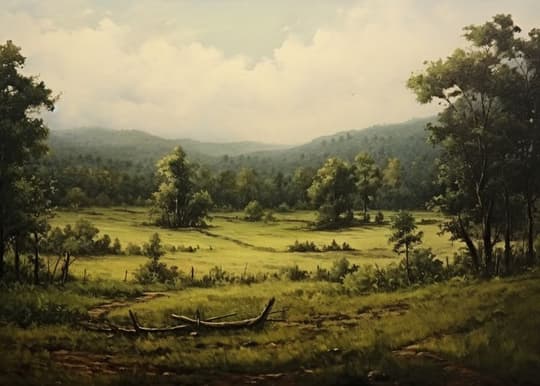
Valley Pastoral Landscape
 Configure →
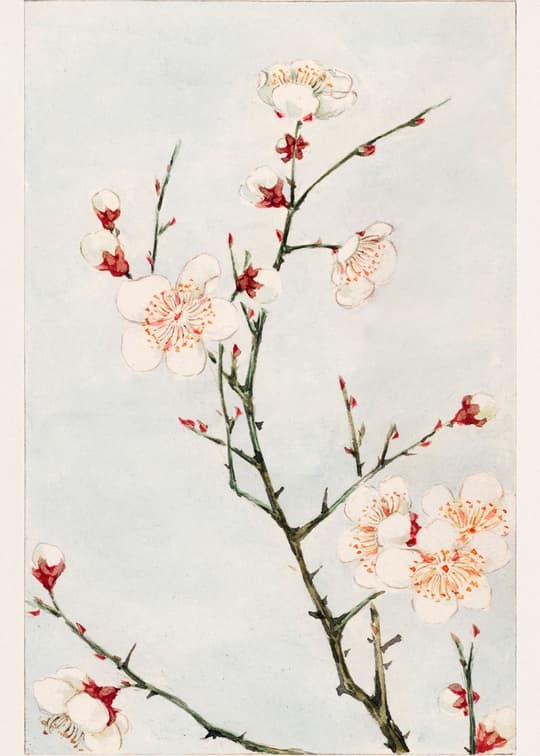
Cherry Blossom Branch
 Configure →
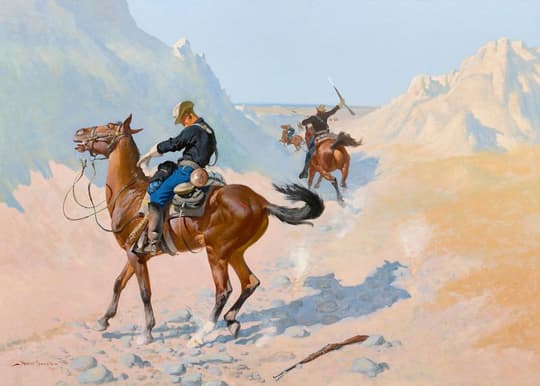
Desert Riders
Frederic Remington
 Configure →
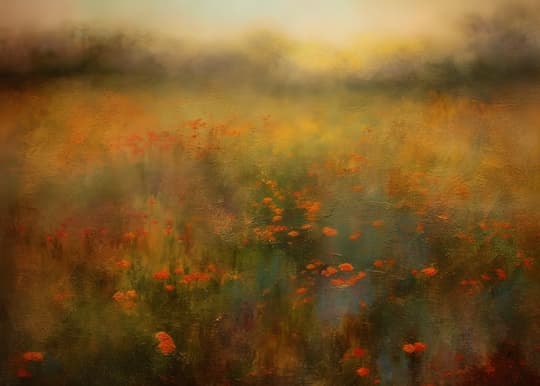
Misty Wildflower Field
 Configure →
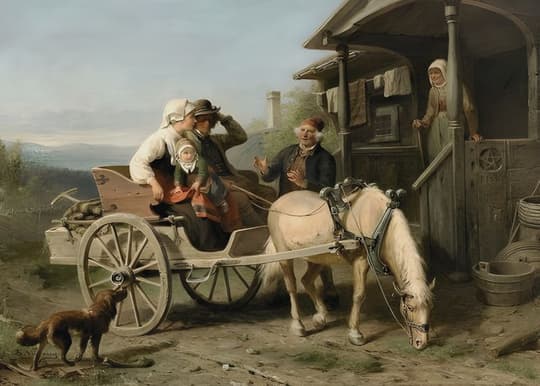
Travellers at Rest
 Configure →
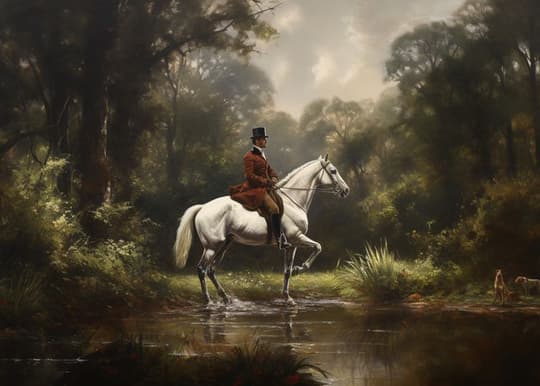
Rider in the Forest Stream
 Configure →
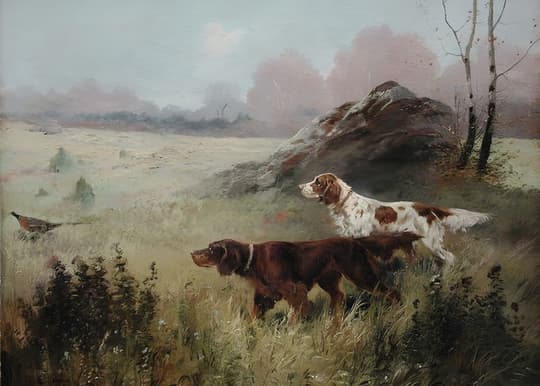
Dogs in the Misty Meadow
 Configure →
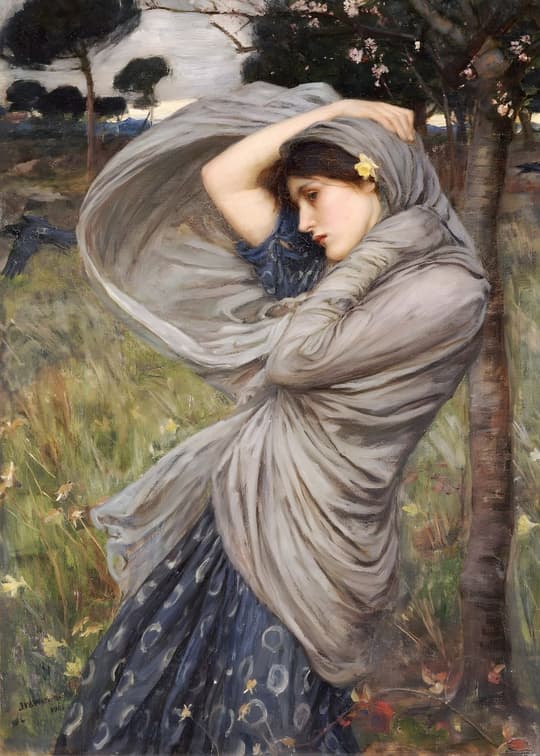
Windblown
John William Waterhouse
 Configure →
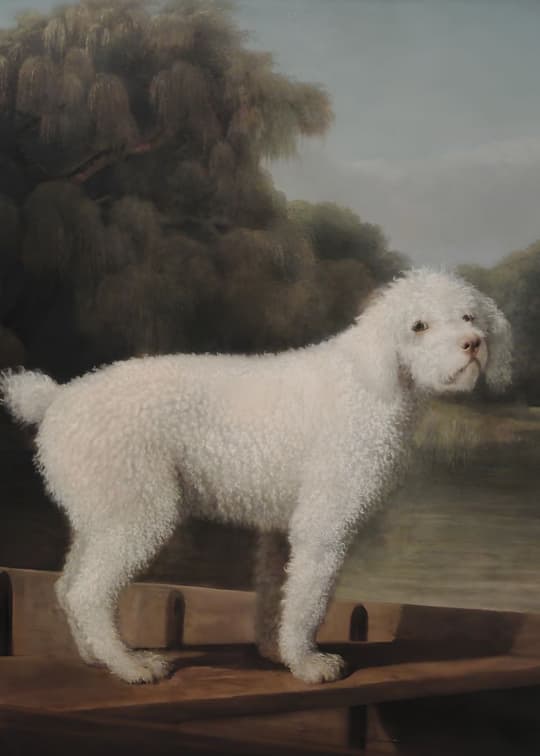
White Poodle by the Willows
 Configure →
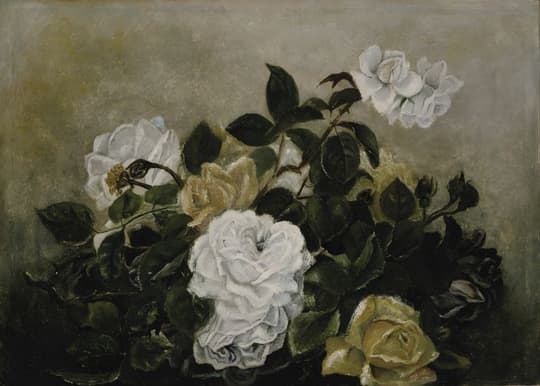
White and Yellow Roses with Dark Foliage
The YourCover Difference
Gallery walls, without the gallery markup.
Museum-quality printing
Archival inks on canvas, acrylic, metal, or fine-art paper — colour-matched to the original.
Made to order for you
Nothing sits in a warehouse. Every piece is printed and finished the day it's ordered.
Preview before you buy
See the exact size, frame, and finish on your wall in real time — no guesswork.
Happiness guaranteed
If a piece doesn't land the way you hoped, we'll make it right — no fuss.
On this collection
From romantic pastoral oils to contemporary, large-scale geographic photography.
The Depth and Scale of the Natural World
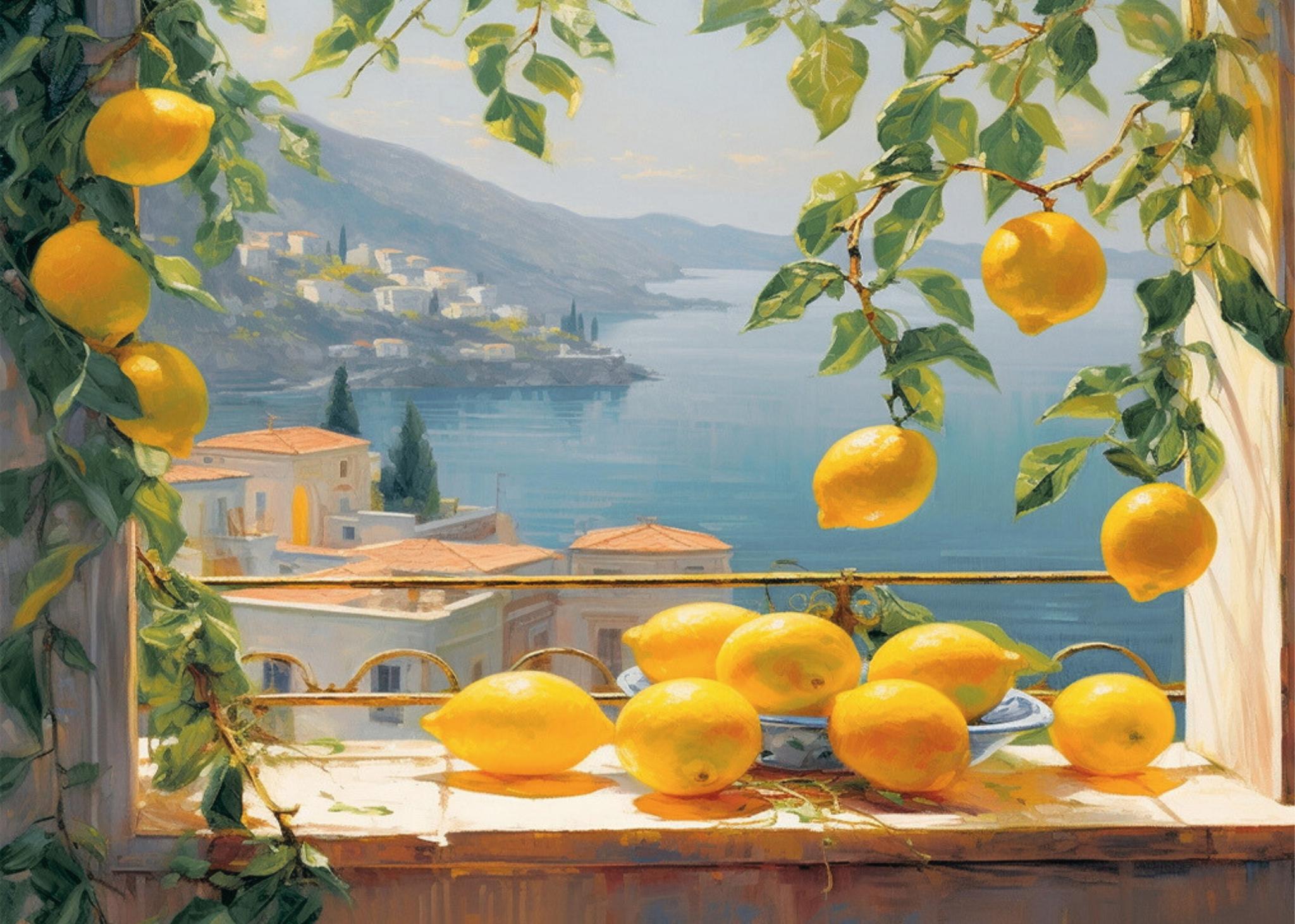
The effectiveness of a landscape relies on the artistic manipulation of perspective. Classic landscape paintings, such as those from the Hudson River School or European Romanticism, utilize atmospheric perspective — where distant mountains fade into lighter, cooler colors — to create a profound illusion of depth. These works often feature warm, golden-hour lighting and idealized, pastoral scenery. Modern landscape photography, however, often pursues a more raw, realistic scale. High-definition panoramas of glacial valleys, arid deserts, or dense fog in a pine forest prioritize texture and the overwhelming size of nature. Abstract landscapes strip away the details entirely, reducing a mountain range or a sunset to simple bands of color that suggest a place rather than meticulously documenting it.
Using Landscapes as Architectural Elements
Because of their inherent depth, landscape prints are highly strategic design tools. In small or windowless rooms, a large, brightly lit landscape photography piece creates the psychological effect of an open window, alleviating claustrophobia. The orientation of the piece changes the room's dynamics: a wide, horizontal panorama emphasizes the width of a room and looks proportionate above a long sofa or dining table, while a vertical landscape (often showcasing tall trees or a plunging waterfall) draws the eye upward, highlighting tall ceilings. Canvas is the traditional medium for reproducing painted landscapes, keeping the soft, textured aesthetic intact. For crisp, high-resolution photography of modern landscapes, acrylic or metal formats enhance the depth of field and the vibrancy of the sky.
How your print is made
From archive to wall
Digital remastering included
- 01
Source
Each piece comes from a high-resolution museum or curated archive — the kind of original-quality source you'd otherwise only find at the Met or a specialized print dealer.
- 02
Remaster
Before we print, every image is digitally cleaned: scan borders trimmed, color profile adjusted to the chosen medium, resolution matched to your selected size. No museum-scan artifacts make it onto your wall.
- 03
Print
Pigment inks on archival material in our LA studio. Quality-checked, packaged flat or rolled depending on size, shipped ready to hang within 5–7 business days.
Same art, your surface
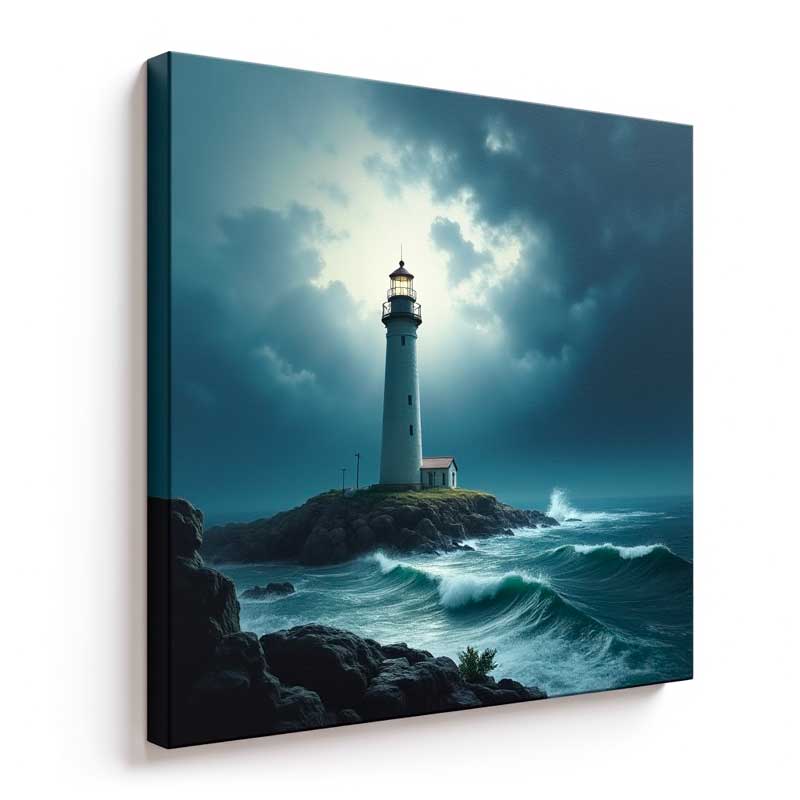
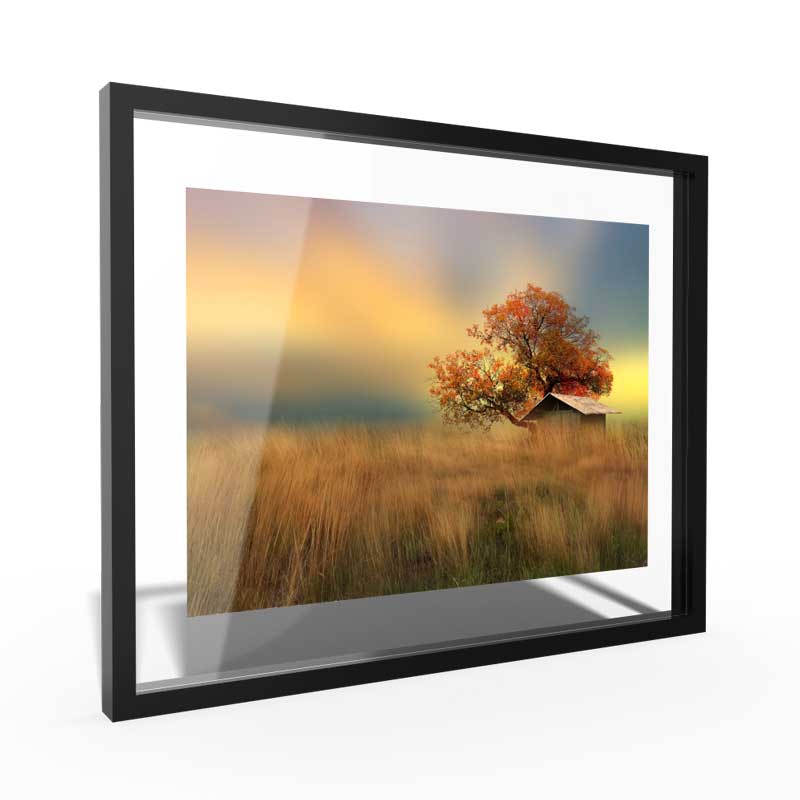
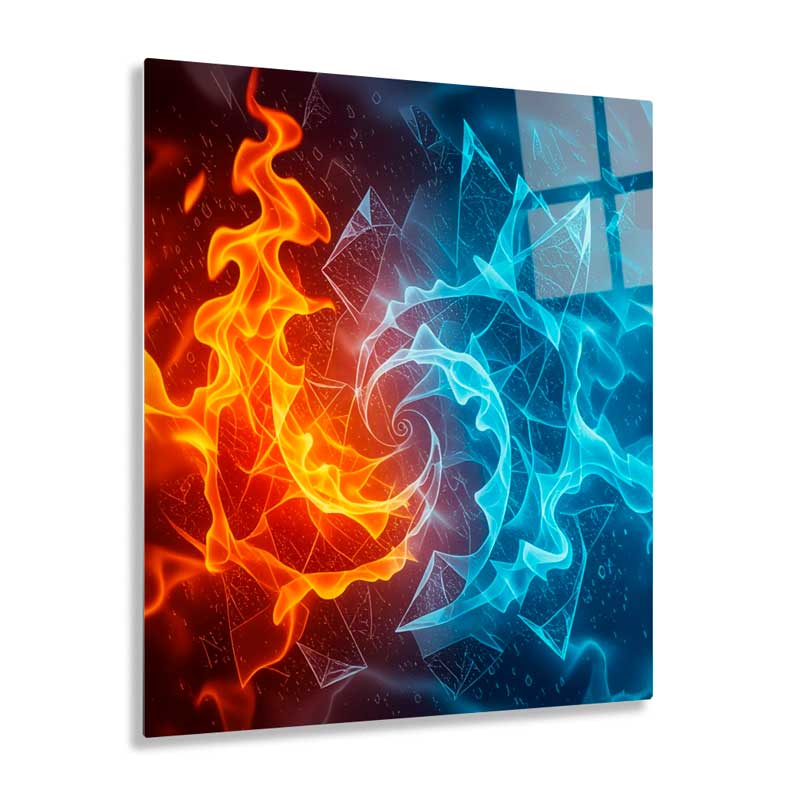
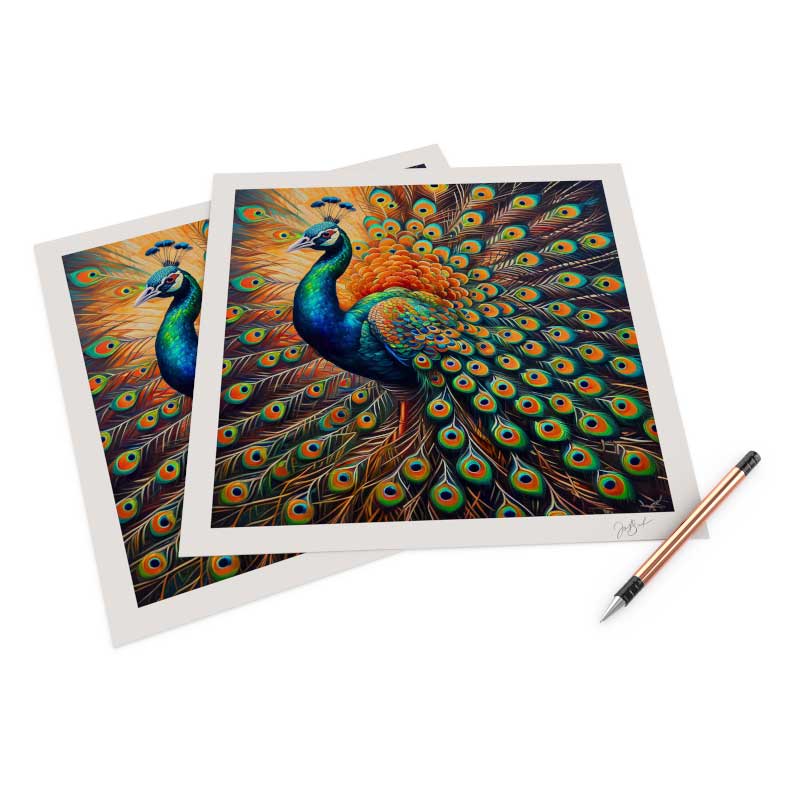
Landscape on every medium
Keep exploring
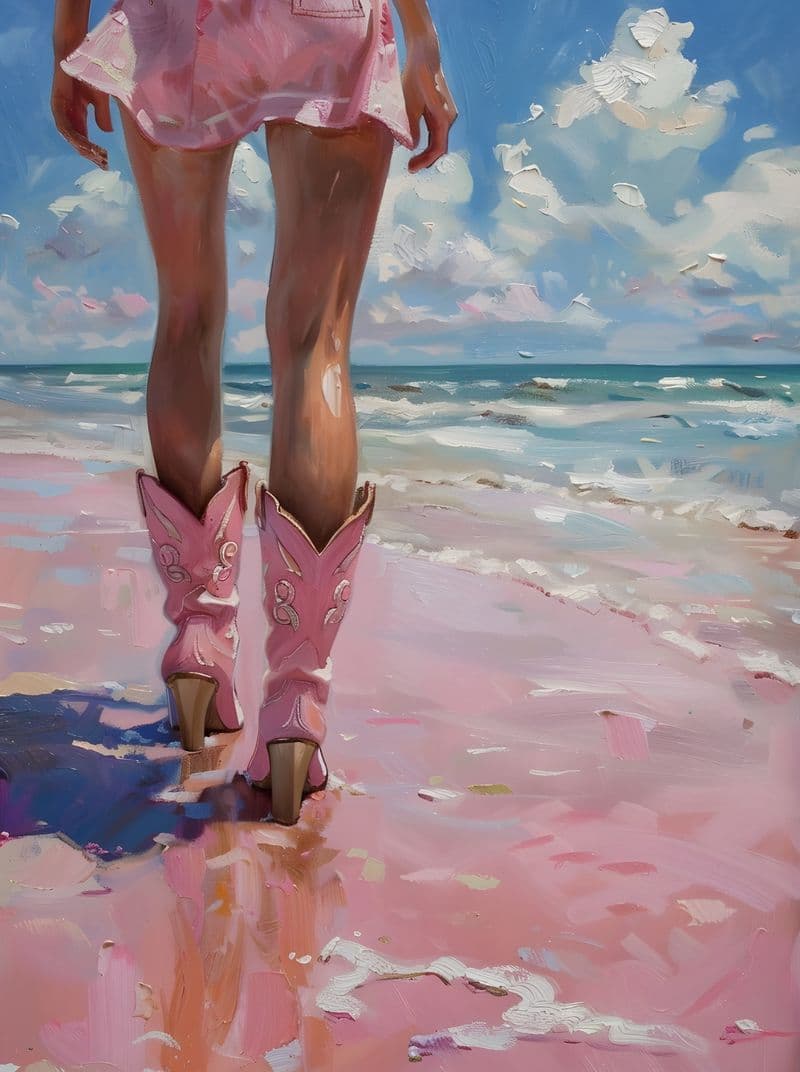
If you like Landscape, you'll like…
Buy with confidence
Sizing & hanging guide
- 1
Measure your wall
Width and height of the open space, edge to edge.
- 2
Take 2/3 of it
Art should fill about two-thirds of the available width.
- 3
Match the orientation
Tall walls take portrait; wide walls take landscape.
- Hang centre at 57–60" from the floor — eye level.
- Leave 3–6" between a frame and furniture below it.
- For a group, treat the cluster as one shape.
- Bigger reads as more expensive; don't under-size.
FAQ
Frequently asked
A panorama is an exceptionally wide landscape image, typically with an aspect ratio of 2:1 or 3:1. Panoramic prints are designed to capture the vastness of a horizontal view, making them the perfect shape for hanging over wide, low furniture like headboards, long sofas, or credenzas.
Yes, but they should be unified by either color or medium. You can successfully hang a vintage oil painting reproduction of a forest near a modern photograph of a mountain, provided both share a similar moody, dark-green color palette, or both are framed in identical modern gallery frames.
Abstract landscape art does not attempt to depict an exact, realistic geographic location. Instead, it uses blocks of color, loose brushstrokes, or minimalist lines to suggest the idea of land, sea, and sky. It captures the mood or color palette of a place without the specific details.
It can, but it doesn't have to. A landscape can serve as the primary source of color in an otherwise neutral room. If your room is full of gray and white, a landscape featuring an intense autumn forest or a vibrant sunset will become the undeniable focal point of the space.