

Style
Black and White Wall Art
Timeless tonal ranges, stark contrast, and the power of pure composition.
By stripping away color, black and white wall art forces the viewer to focus on texture, light, and geometry. This style spans high-contrast architectural photography, silver-gelatin-style portraiture, and stark charcoal abstraction.…
What defines the style
- The Mechanics of Monochrome
- The success of black and white art relies entirely on its tonal range — the spectrum between absolute black and pure white.
- Utilizing Contrast in Design
- Black and white wall art acts as a stylistic neutralizer.
98 Black & White works
 Configure →
Please Don't Dance on the Tables
 Configure →
One for the Road Please?
 Configure →
Bar Shelf
 Configure →
Save Water Drink Tequila
 Configure →
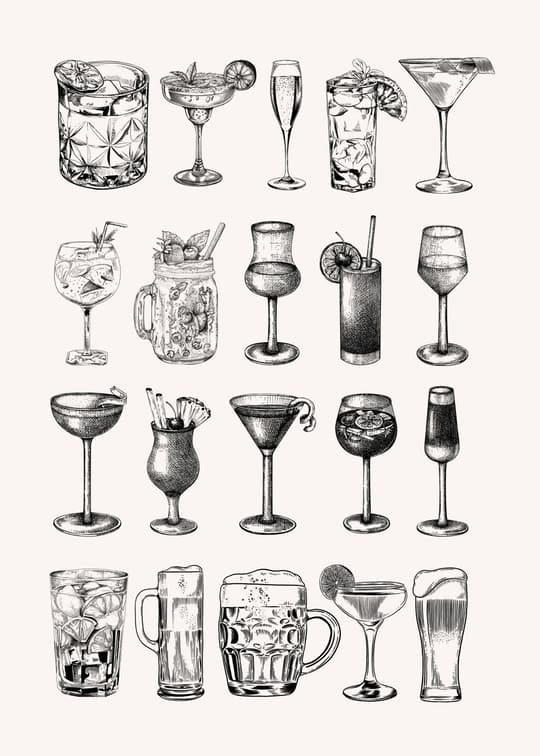
Classic Cocktails & Drinks Collection
 Configure →
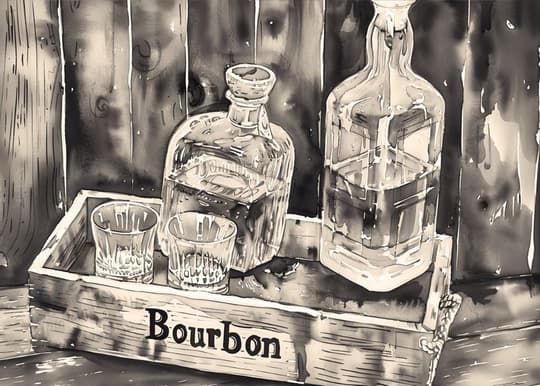
Bourbon Still Life
 Configure →
This Bar Is For Dancing
 Configure →
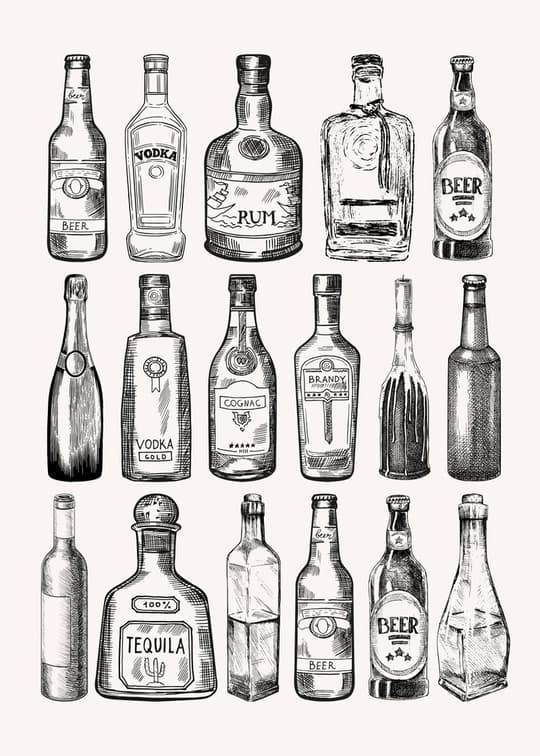
Spirits & Beer Bottles Collection
 Configure →
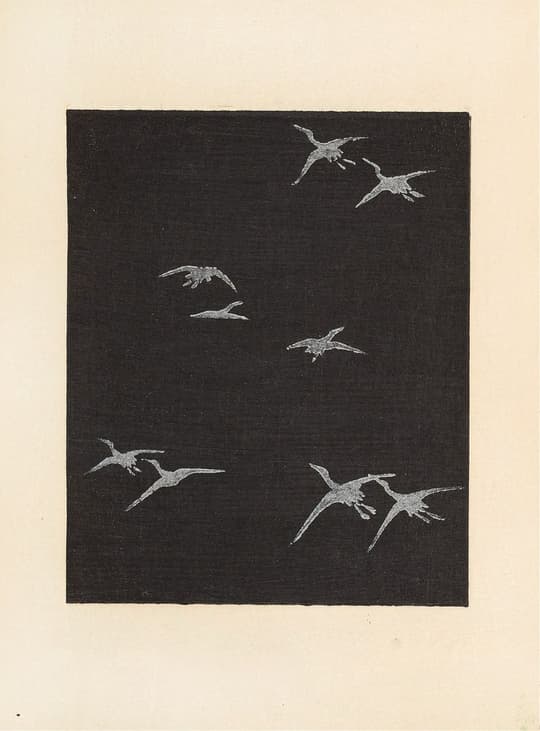
Flying Pterosaurs
Bijutsukai Pl
 Configure →
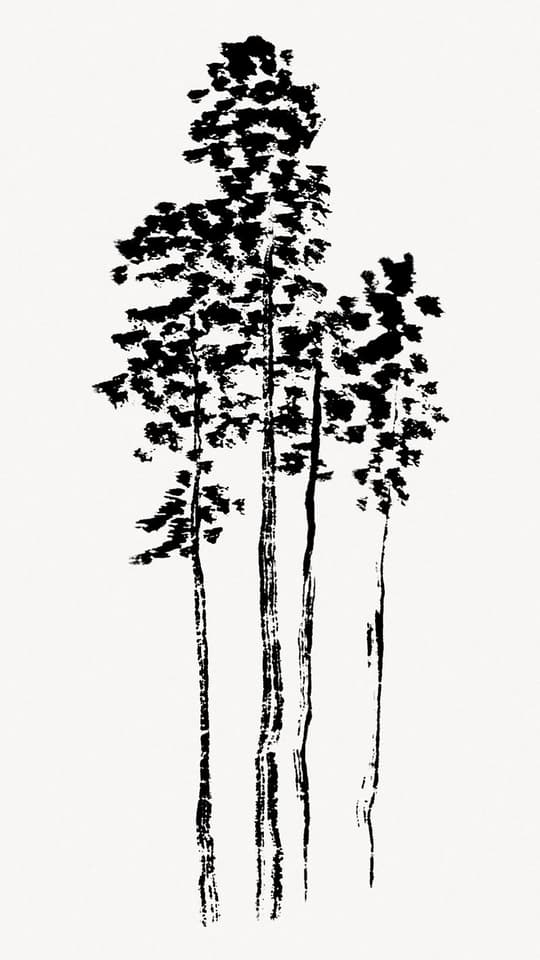
Tall Forest Trees
Katsushika Hokusai
 Configure →
Inspiration
 Configure →
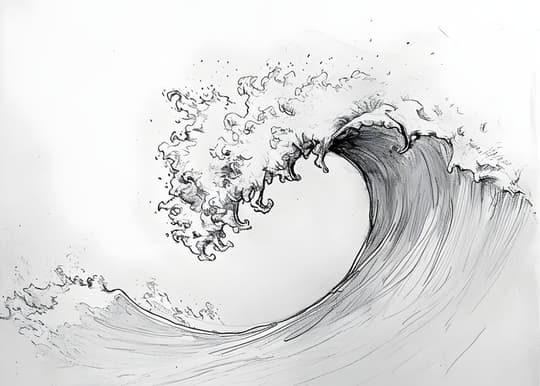
Crashing Wave Study
 Configure →
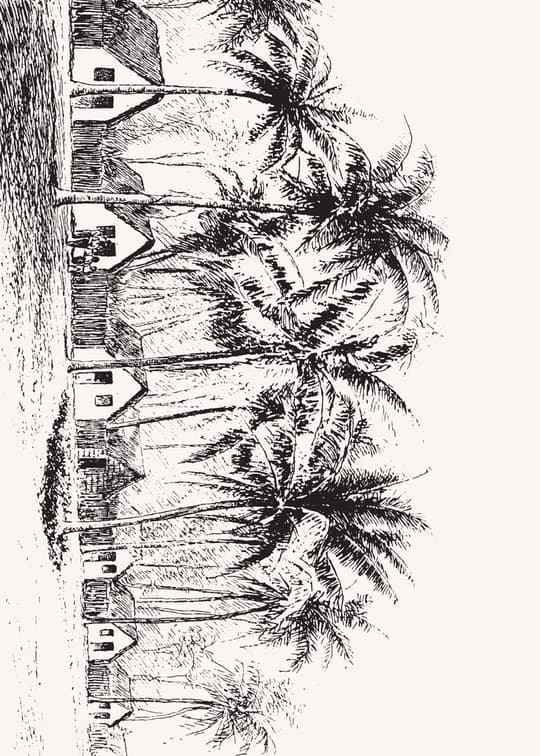
Tropical Colonial Street
 Configure →
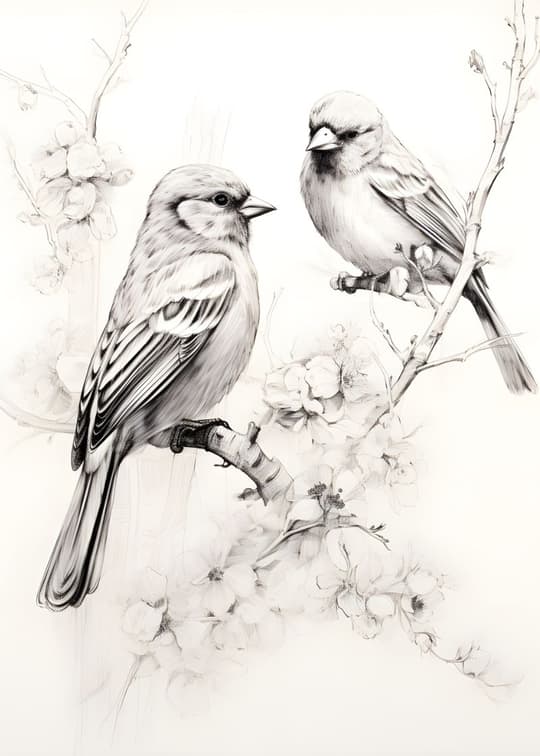
Songbirds on Flowering Branch
 Configure →
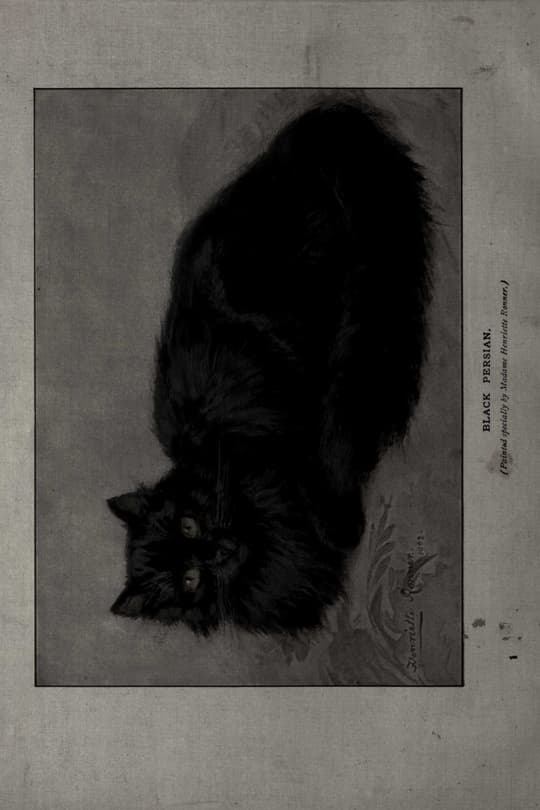
Black Persian
 Configure →
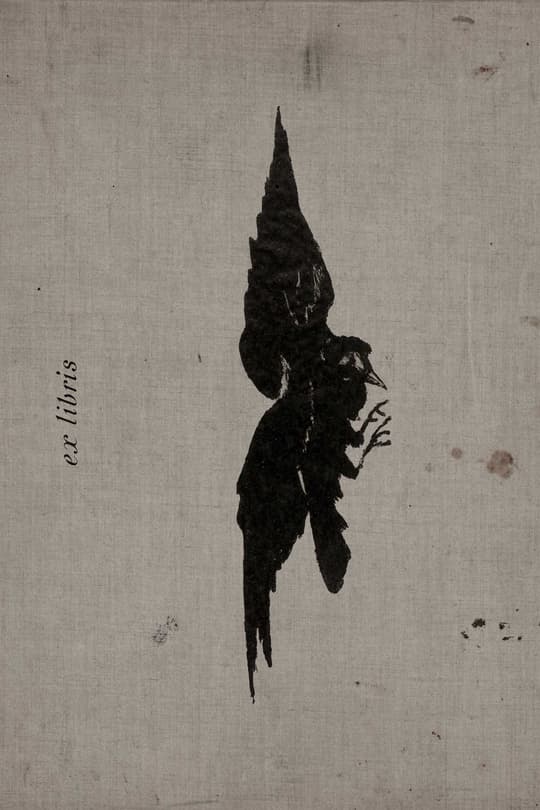
Crested Bird in Flight
 Configure →
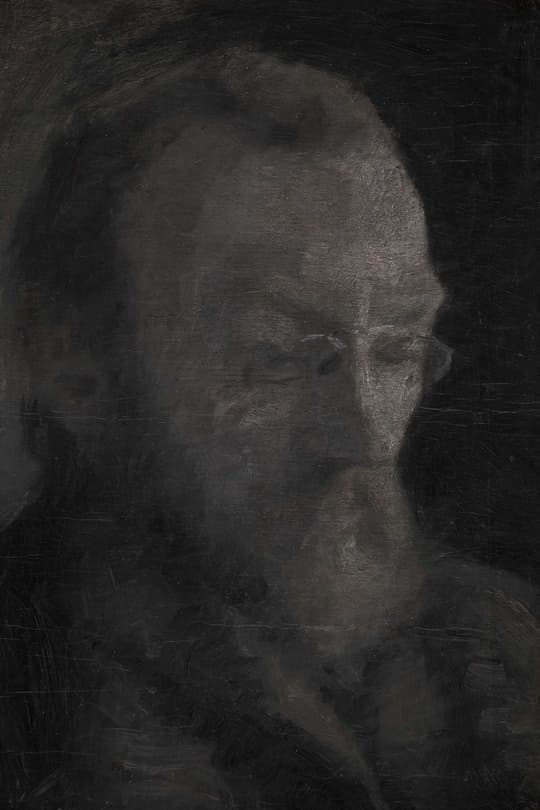
Contemplative Profile
 Configure →
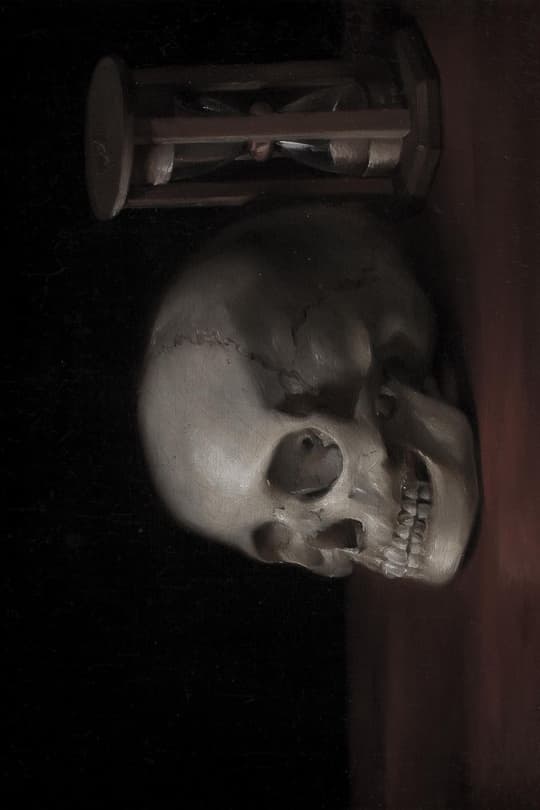
Vanitas: Skull & Hourglass
 Configure →
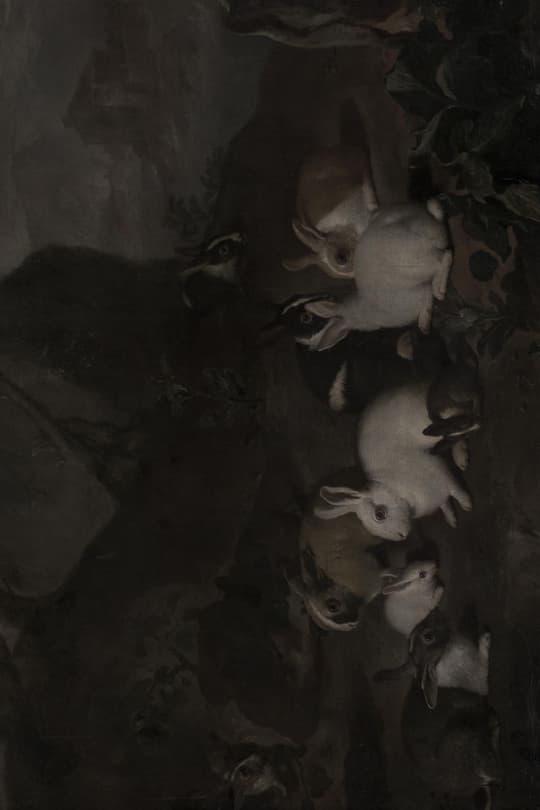
Rabbits in Shadows
 Configure →
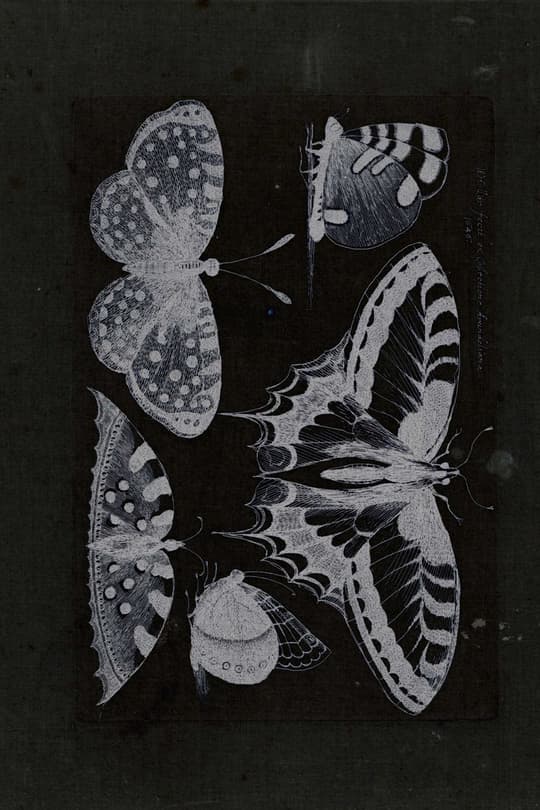
Butterfly Study
 Configure →
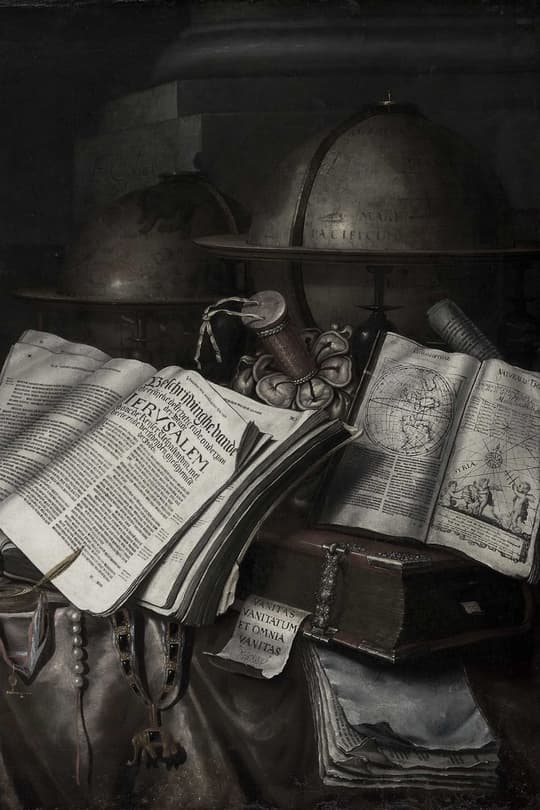
Vanitas with Globes and Books
 Configure →
Witches' Flight
 Configure →
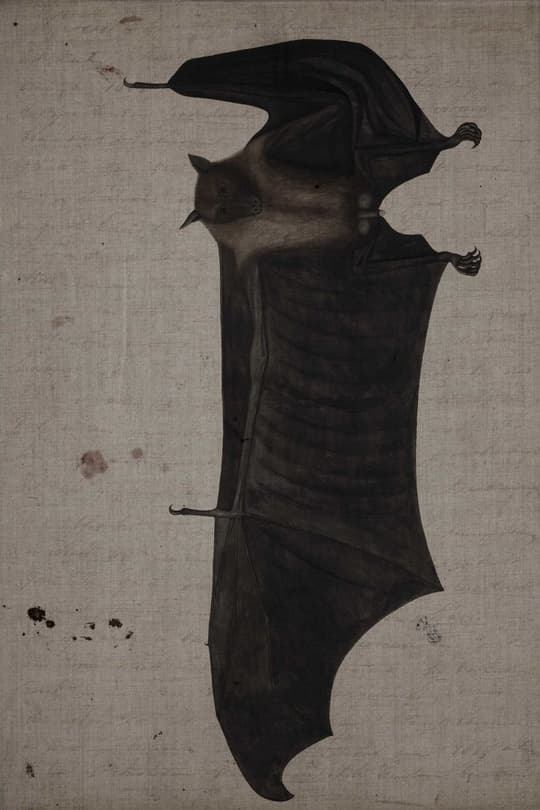
Bat Study
 Configure →
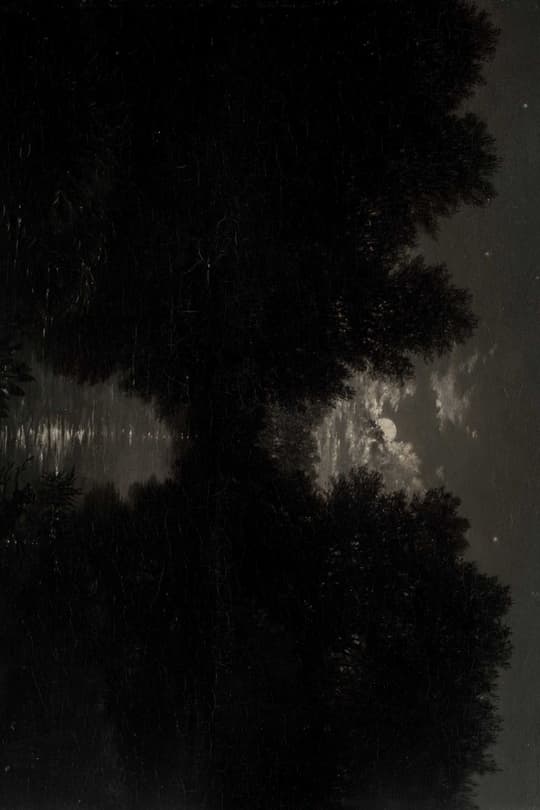
Moonlit Forest Night
 Configure →
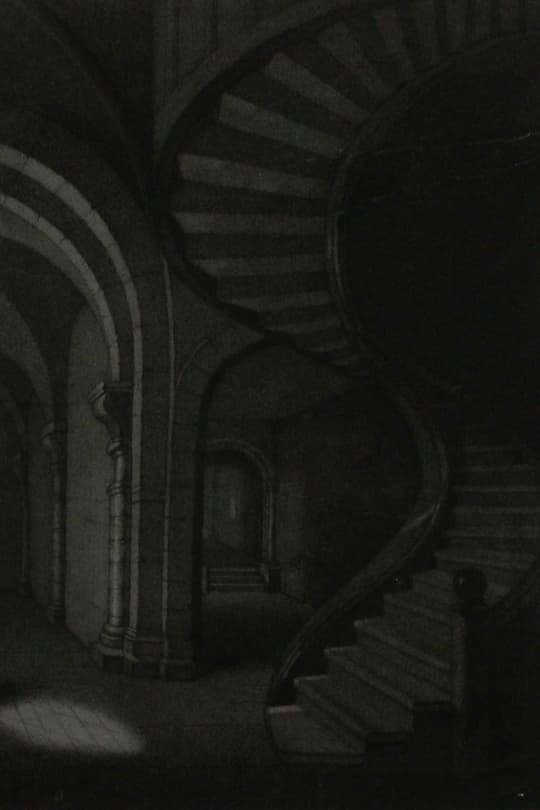
Medieval Stone Archway
 Configure →
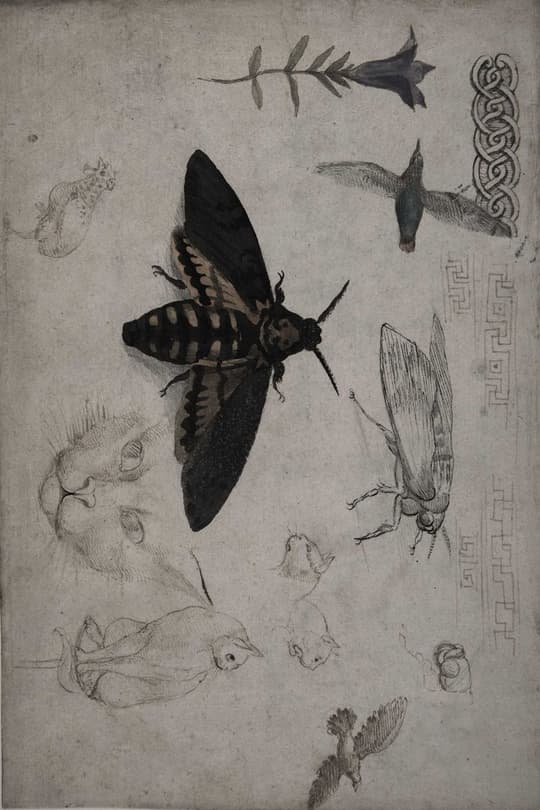
Natural History Study: Insects & Fish
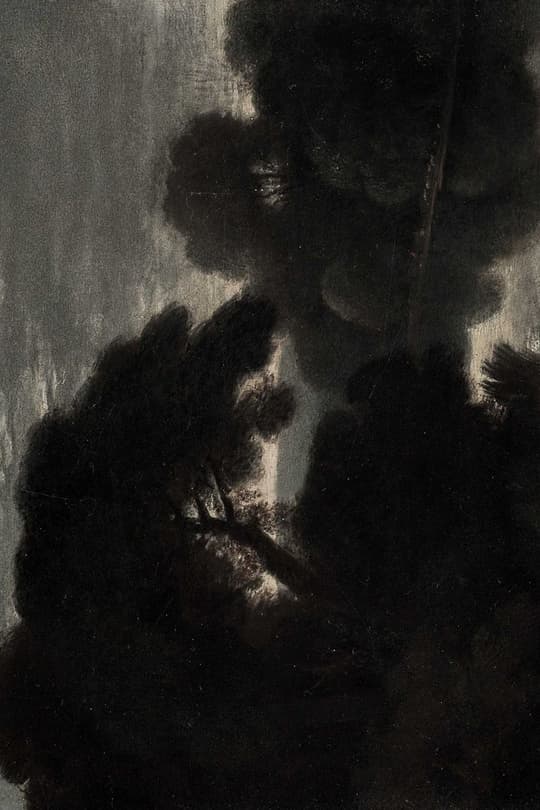 Configure →
Shadow Figures in Light
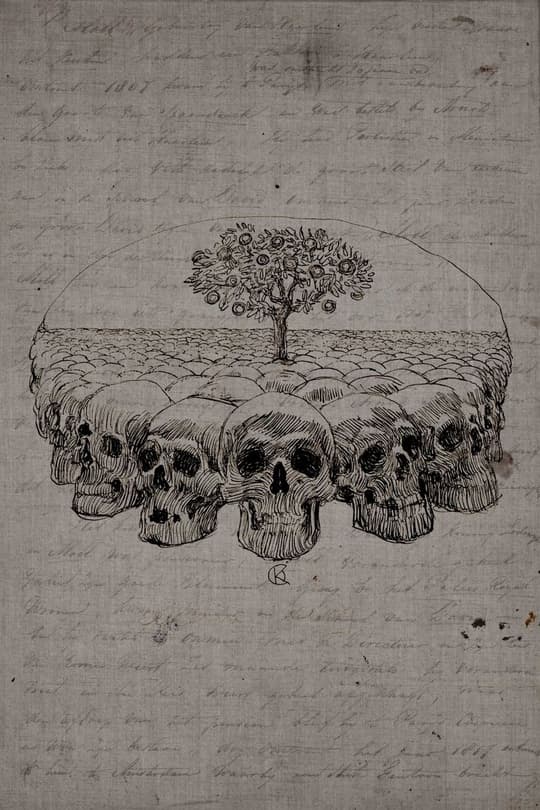 Configure →
Tree of Life and Mortality
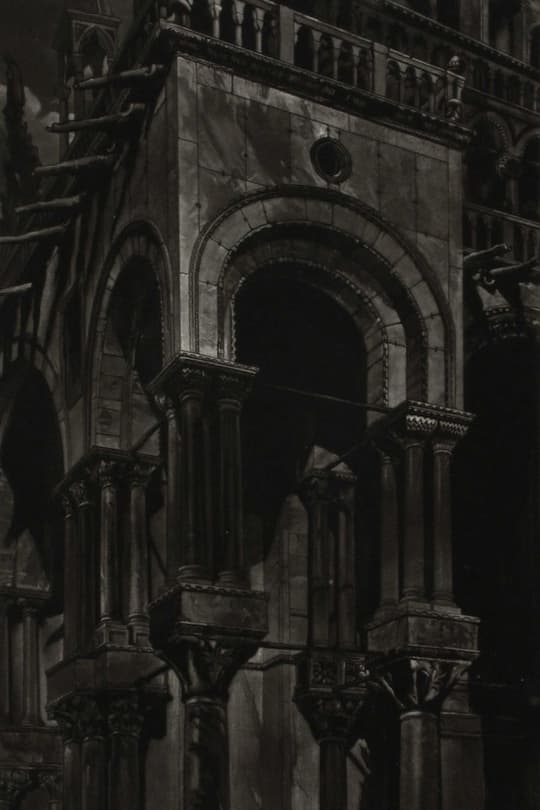 Configure →
Gothic Arch
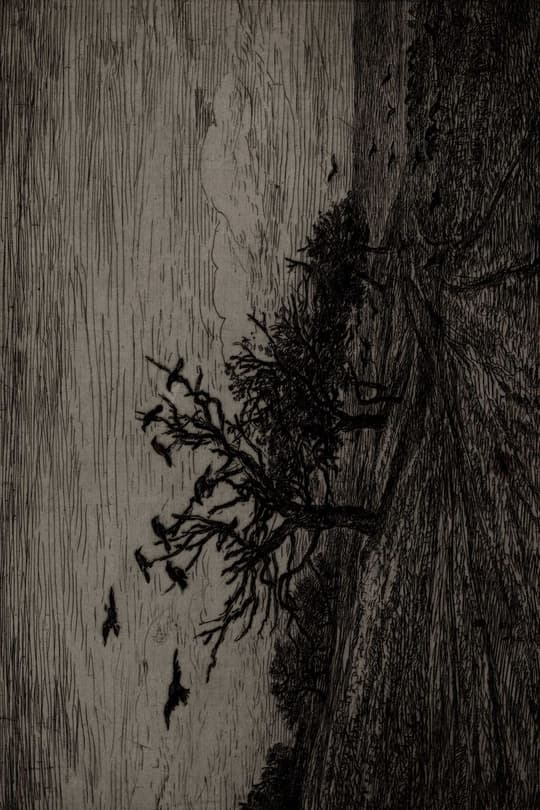 Configure →
Dead Tree
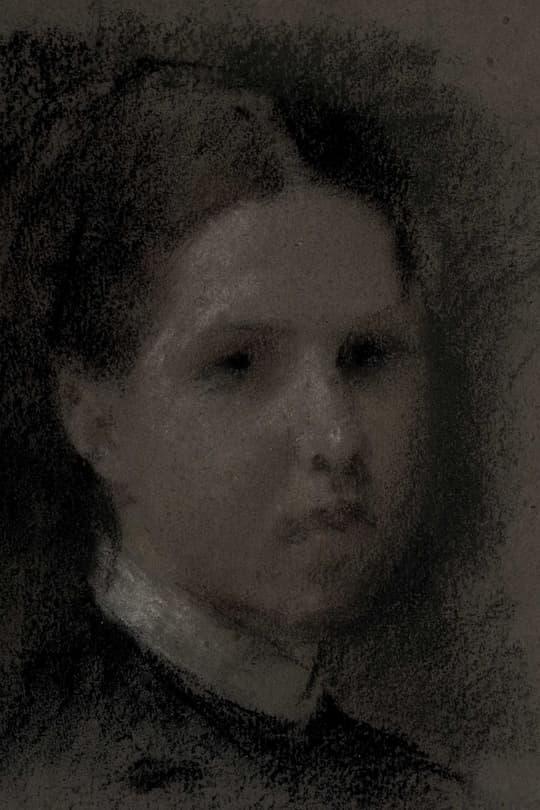 Configure →
Ethereal Portrait Study
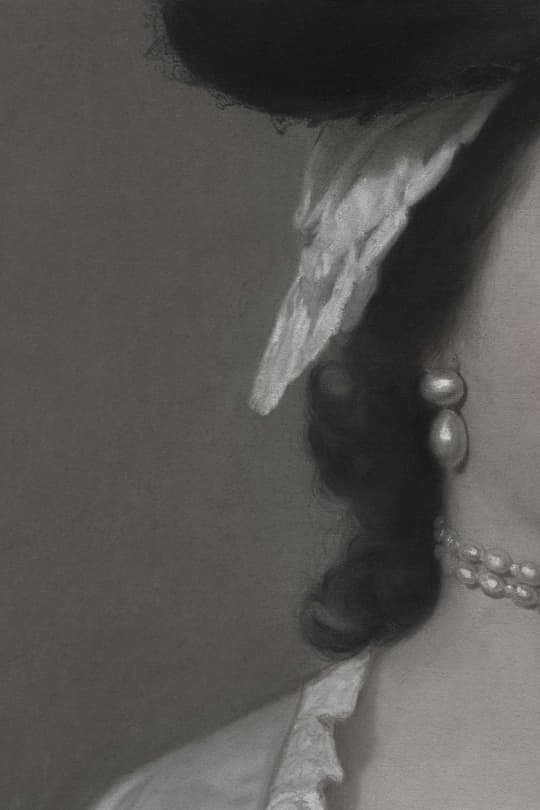 Configure →
Portrait in Profile
 Configure →
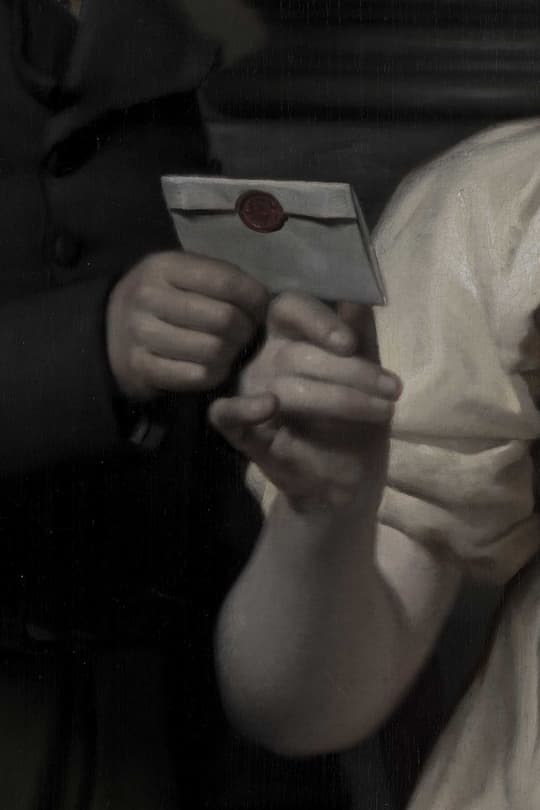
Sealed Letter
 Configure →
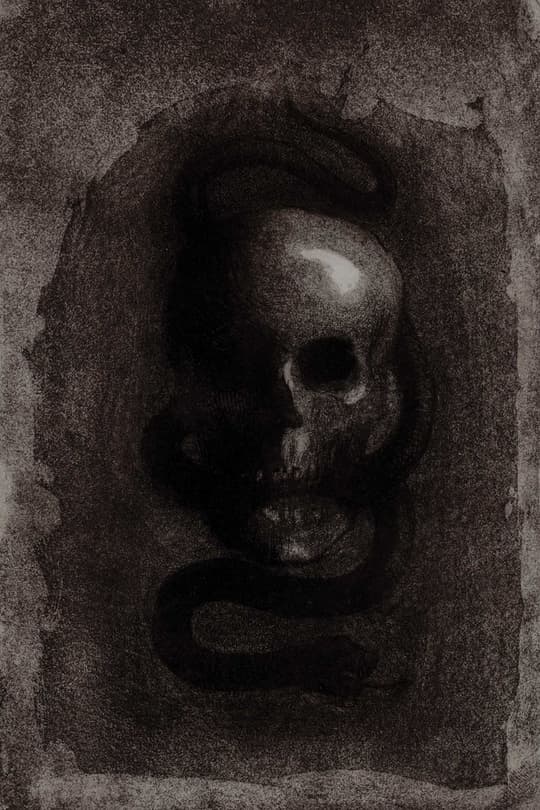
Skull with Serpent
 Configure →
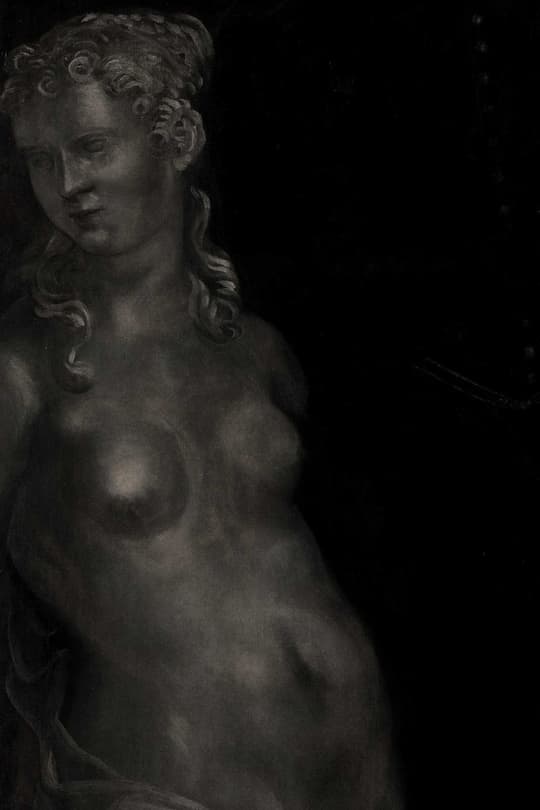
Classical Torso
 Configure →
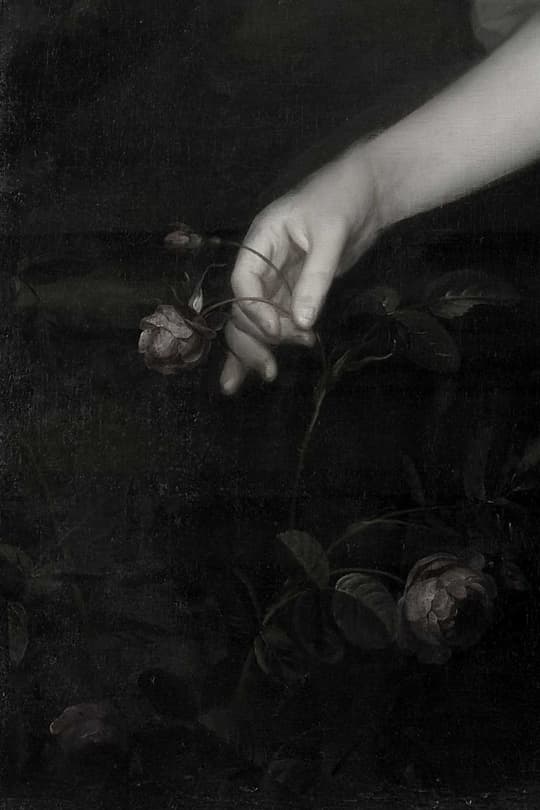
Hand with Wilted Rose
 Configure →
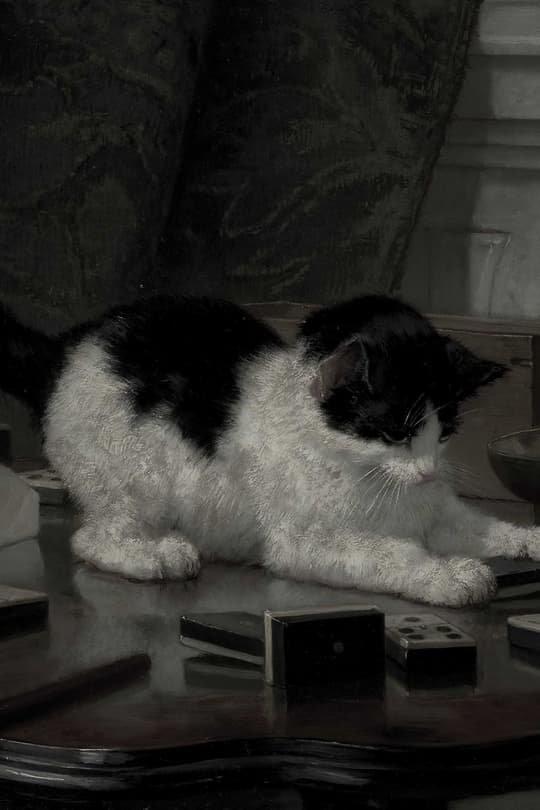
Black & White Cat on Table
 Configure →
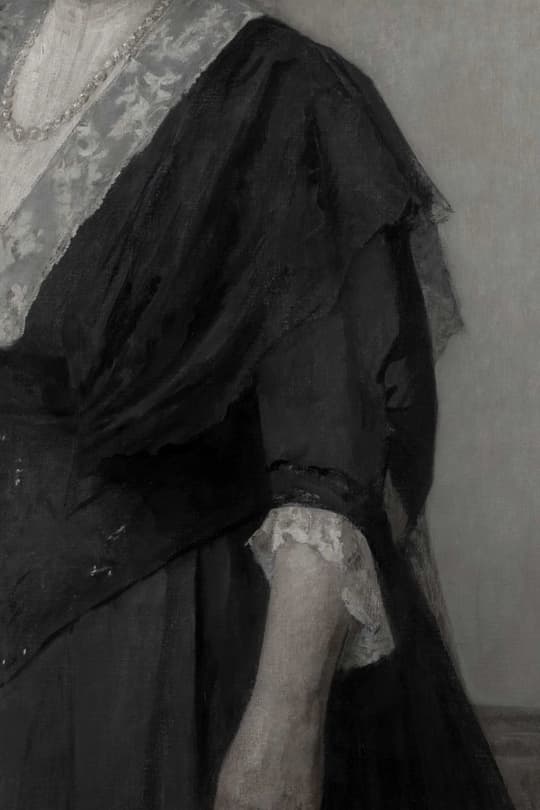
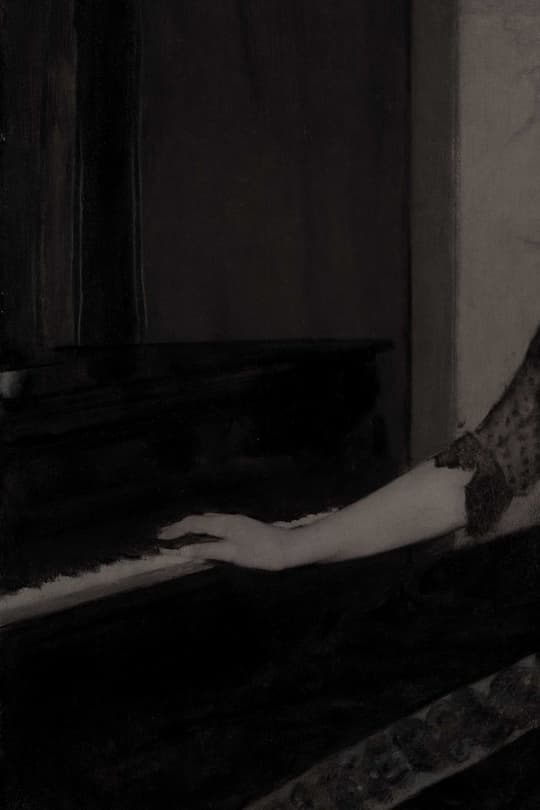
Veiled in Shadow
 Configure →
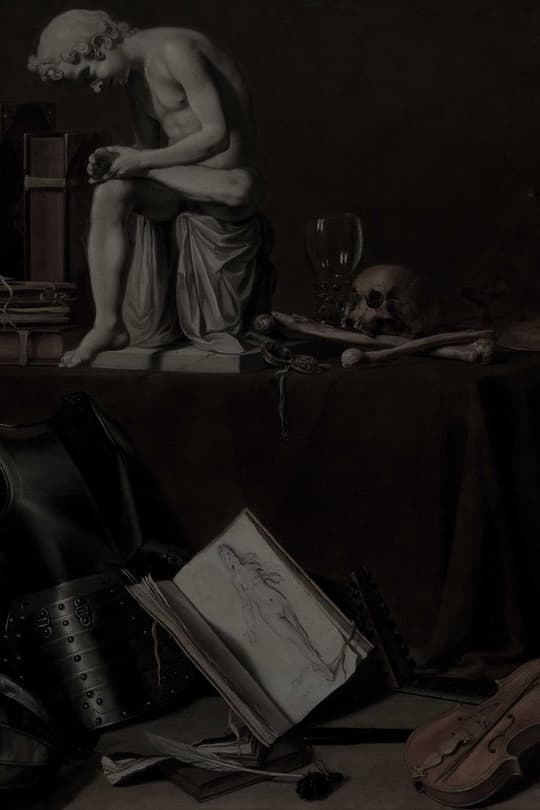
Hand in Shadow
 Configure →
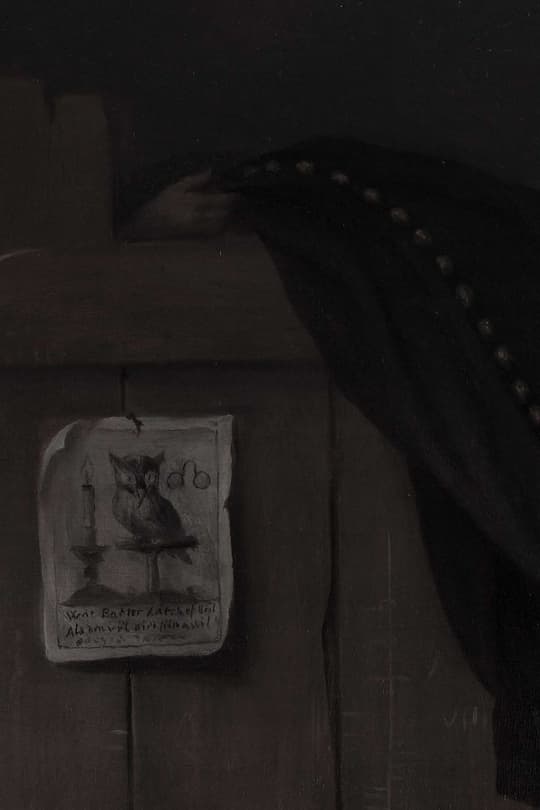
Vanitas: Contemplation
 Configure →
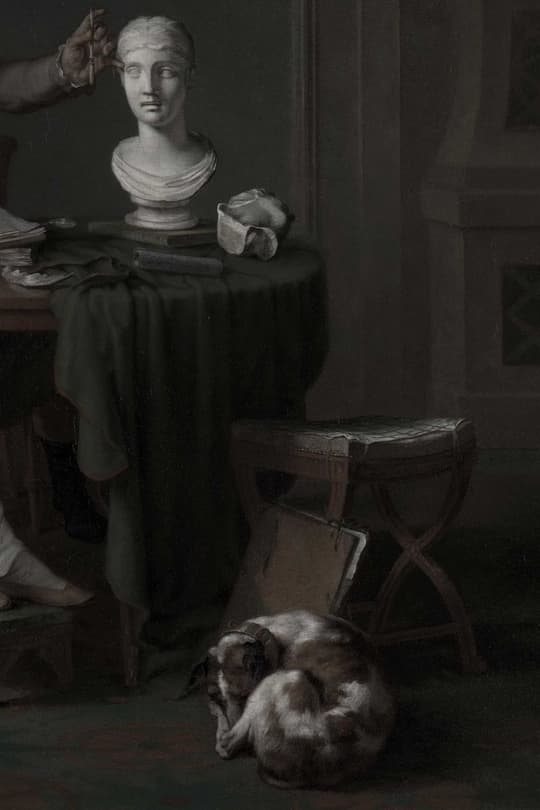
Nocturnal Owl Study
 Configure →
Artist's Studio with Bust
 Configure →
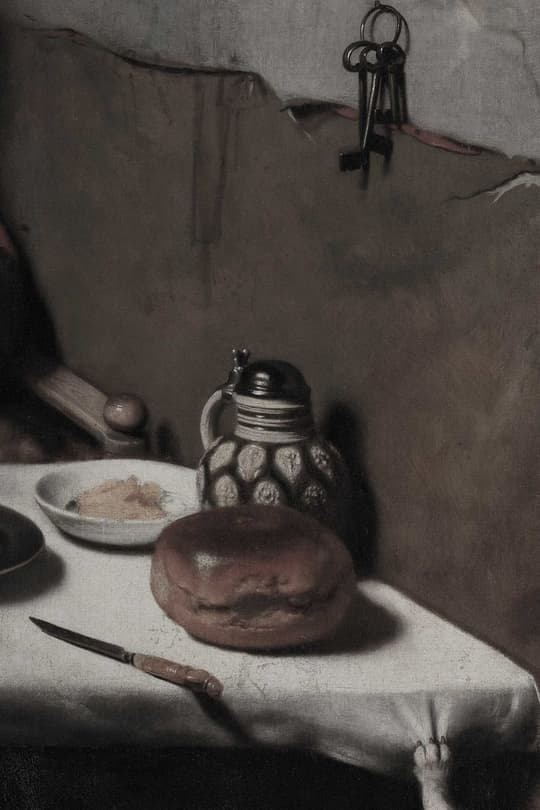
Still Life with Bread and Keys
 Configure →
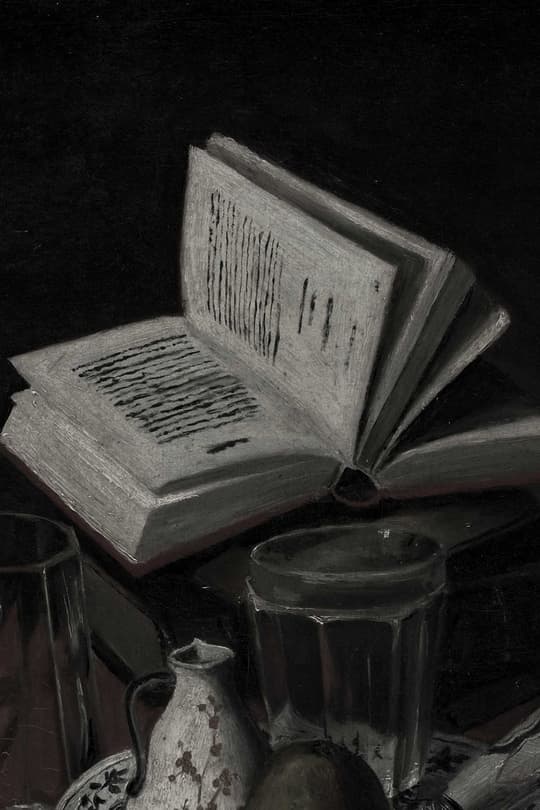
Open Book Study
 Configure →
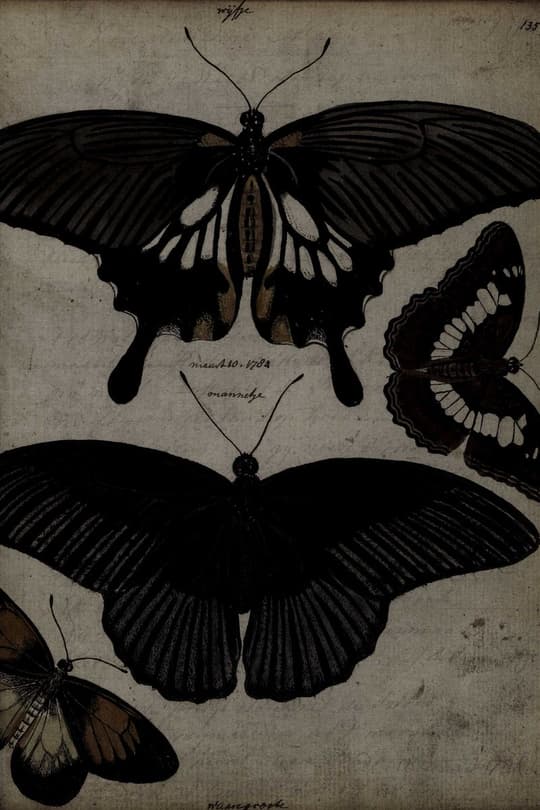
Butterfly Study
 Configure →
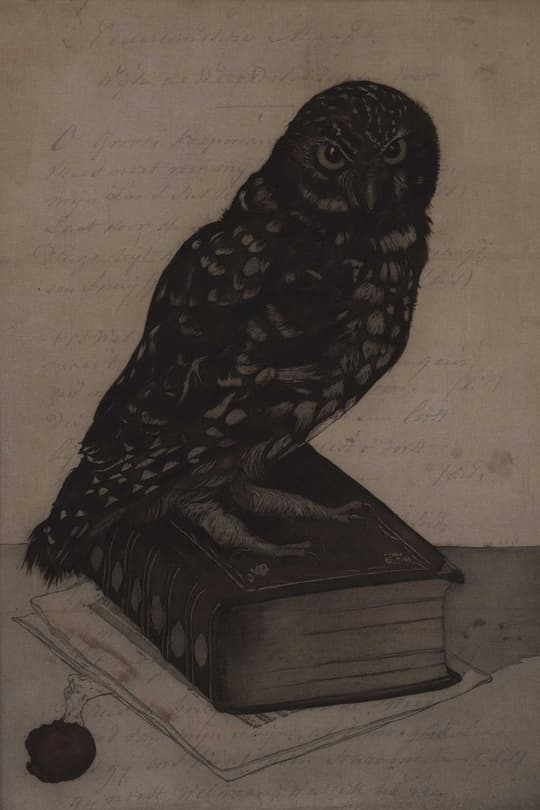
Owl on Books
 Configure →
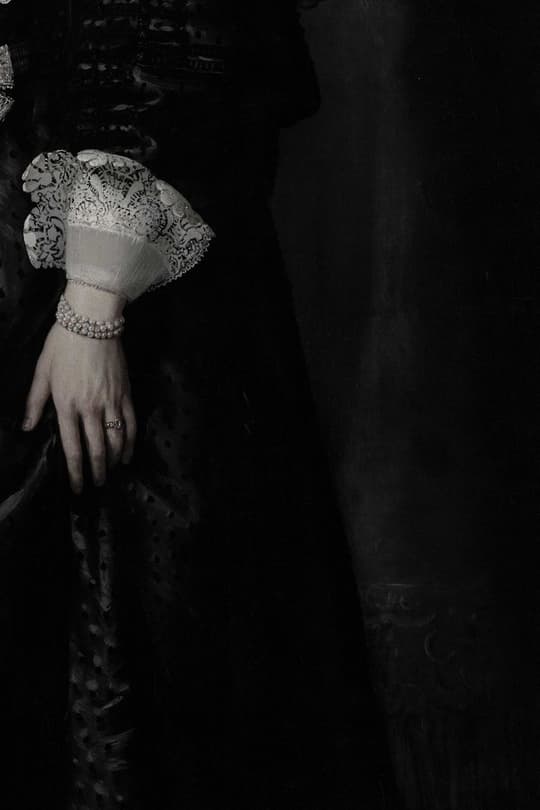
Lace & Pearls
 Configure →
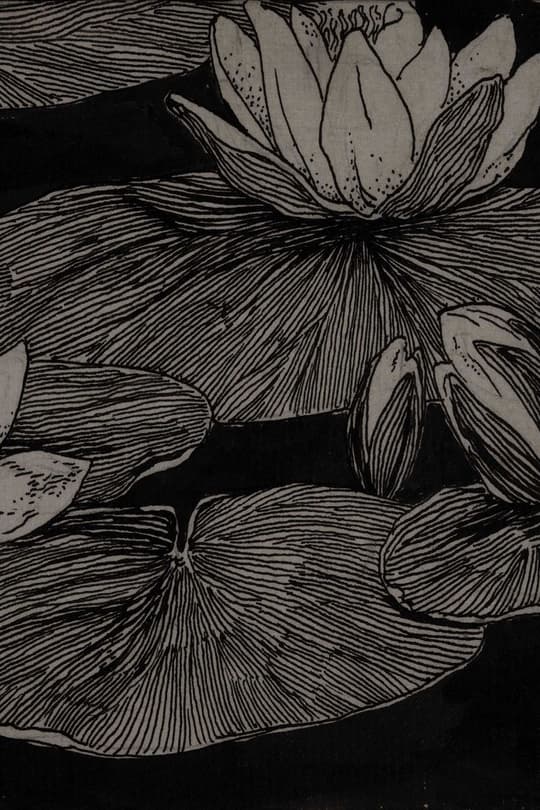
Water Lily Study
The YourCover Difference
Gallery walls, without the gallery markup.
Museum-quality printing
Archival inks on canvas, acrylic, metal, or fine-art paper — colour-matched to the original.
Made to order for you
Nothing sits in a warehouse. Every piece is printed and finished the day it's ordered.
Preview before you buy
See the exact size, frame, and finish on your wall in real time — no guesswork.
Happiness guaranteed
If a piece doesn't land the way you hoped, we'll make it right — no fuss.
On this collection
Timeless tonal ranges, stark contrast, and the power of pure composition.

The Mechanics of Monochrome
The success of black and white art relies entirely on its tonal range — the spectrum between absolute black and pure white. High-key images consist mostly of bright whites and light grays, offering a soft, ethereal, or minimalist aesthetic. Low-key images are dominated by deep shadows and stark blacks, creating moody, dramatic tension. In photography, the absence of color emphasizes the foundational elements of the image. The texture of a crumbling stone wall, the sharp leading lines of a skyscraper, or the soft gradient of a foggy landscape become profoundly more pronounced. When reproduced as prints, the quality of the ink is paramount. Professional-grade printing utilizes dedicated gray and black inks to ensure neutral tones, preventing the image from casting unwanted green or magenta hues.
Utilizing Contrast in Design
Black and white wall art acts as a stylistic neutralizer. In a room with vibrant, heavily patterned upholstery or bold wall colors, a large monochrome piece provides the eye with a necessary place to rest without clashing. Conversely, in a stark, all-white room, a heavily shadowed, high-contrast print adds immediate depth and visual weight, preventing the space from feeling clinical. The choice of medium dramatically alters the piece. Acrylic and metal prints deepen the black values and increase the perceived contrast, making them ideal for sharp architectural or fashion photography. Matte paper or canvas softens the transition between grays, complementing moody landscapes or delicate charcoal sketches.
How your print is made
From archive to wall
Digital remastering included
- 01
Source
Each piece comes from a high-resolution museum or curated archive — the kind of original-quality source you'd otherwise only find at the Met or a specialized print dealer.
- 02
Remaster
Before we print, every image is digitally cleaned: scan borders trimmed, color profile adjusted to the chosen medium, resolution matched to your selected size. No museum-scan artifacts make it onto your wall.
- 03
Print
Pigment inks on archival material in our LA studio. Quality-checked, packaged flat or rolled depending on size, shipped ready to hang within 5–7 business days.
Same art, your surface
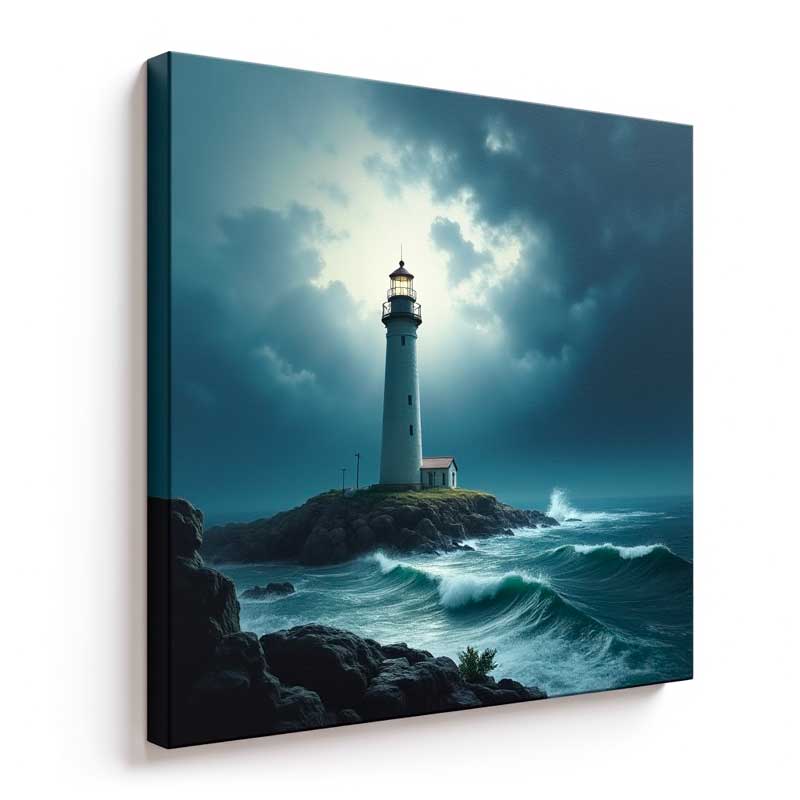
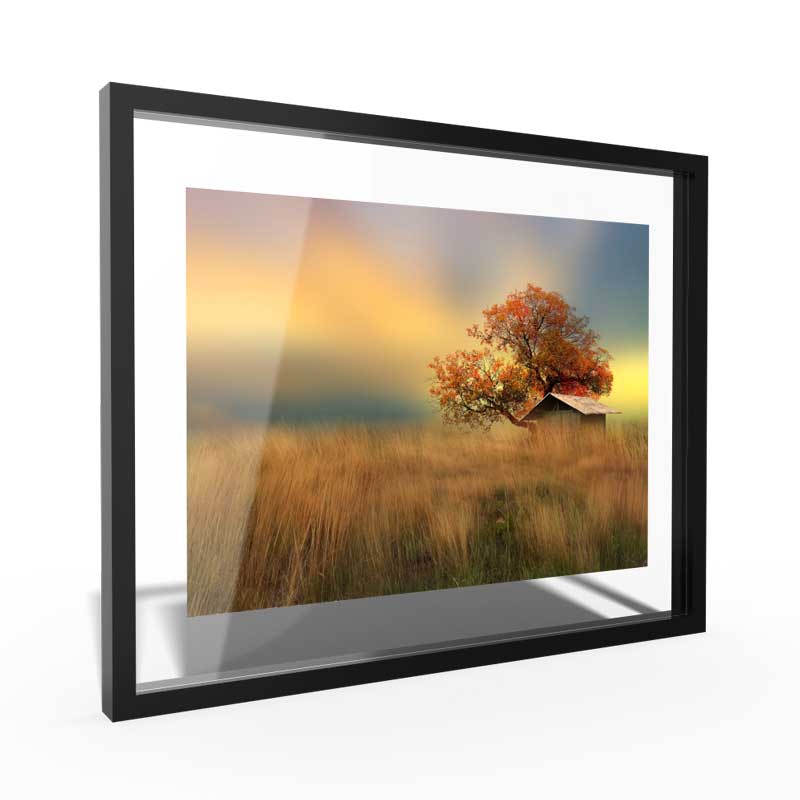
Black & White on every medium
Keep exploring
If you like Black & White, you'll like…
Buy with confidence
Sizing & hanging guide
- 1
Measure your wall
Width and height of the open space, edge to edge.
- 2
Take 2/3 of it
Art should fill about two-thirds of the available width.
- 3
Match the orientation
Tall walls take portrait; wide walls take landscape.
- Hang centre at 57–60" from the floor — eye level.
- Leave 3–6" between a frame and furniture below it.
- For a group, treat the cluster as one shape.
- Bigger reads as more expensive; don't under-size.
FAQ
Frequently asked
While some pieces are converted from color, true black and white art is usually conceived and captured with monochrome in mind. The artist focuses specifically on how light and shadow shape the subject, rather than relying on color theory. The resulting composition is often starker and more structurally deliberate.
To warm up monochrome art, pay attention to the framing and the surrounding textures. Framing a stark black-and-white print in warm walnut or natural oak introduces an organic element. Additionally, pairing the art with rich textiles in the room, like leather, wool, or velvet, balances the visual temperature.
Historically, a silver gelatin print is the standard black-and-white darkroom photographic process, known for its rich blacks, smooth gradients, and slight silver sheen. While our prints are produced using modern archival inks, we offer reproductions of historical silver gelatin photographs that capture the exact tonal depth of the original darkroom process.
Yes. In fact, high-contrast black and white imagery is highly recommended for infants, as their early vision registers stark contrasts more easily than subtle colors. Graphic black and white animal silhouettes or geometric patterns provide visual stimulation while maintaining a sophisticated aesthetic that the child won't quickly outgrow.