
Print Format
Acrylic Wall Art
Optical depth and unparalleled color saturation through face-mounted acrylic glass.
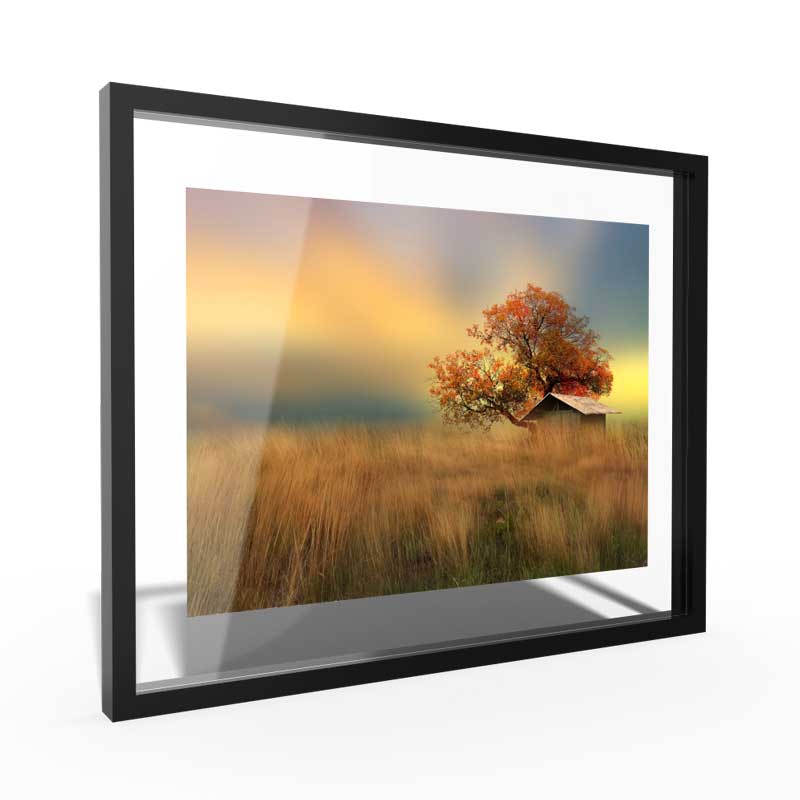
Acrylic prints deliver a distinctly modern, high-definition aesthetic by utilizing the refractive properties of acrylic glass. In this medium, the artwork is printed on professional-grade photographic paper, which is then face-mounted directly behind a polished acrylic sheet. This process traps light between the acrylic and the image, creating an almost three-dimensional depth and illuminating the colors from within. Designed for commercial galleries and contemporary homes, acrylic wall art provides sharp details, absolute surface flatness, and a substantial, architectural presence on the wall.
What you get
- Quarter-inch crystal-clear acrylic face
- HD direct print, no lamination layer between you and the color
- Float mount with hidden aluminum cleat — appears to hover
- Wipe-clean surface, indoor use
- Available sizes from 8×10 to 24×36 inches
Use the live configurator to test this finish in real time before checkout. If you are choosing for a room, acrylic is ideal when you want optical depth and unparalleled color saturation through face-mounted acrylic glass with gift-ready presentation and confident sizing.
Works that pair well with acrylic
8 Hand-picked
 Configure →
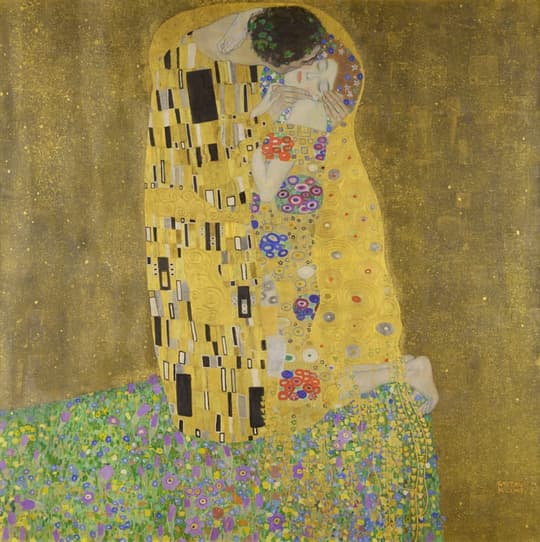
The Kiss
Gustav Klimt
FEATURED
 Configure →
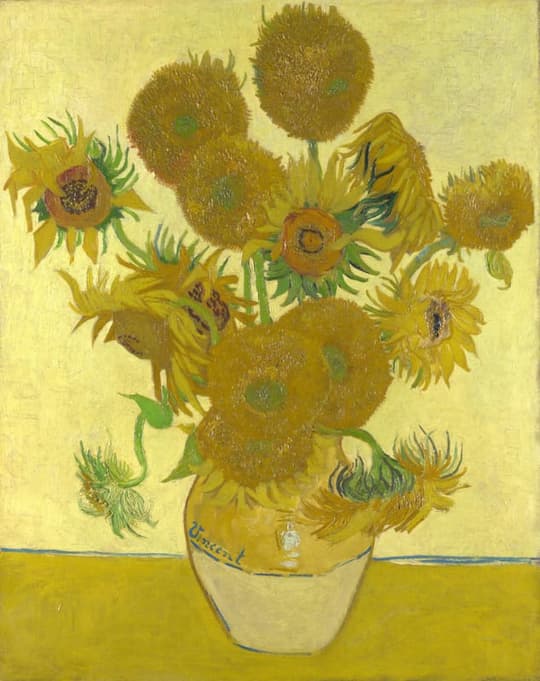
Sunflowers
Vincent van Gogh
FEATURED
 Configure →
Madame Édouard Bernier (Marie-Octavie-Stéphanie Laurens, 1838–1920)
Auguste Renoir
FEATURED
 Configure →
Bouquet of Chrysanthemums
Auguste Renoir
FEATURED
 Configure →
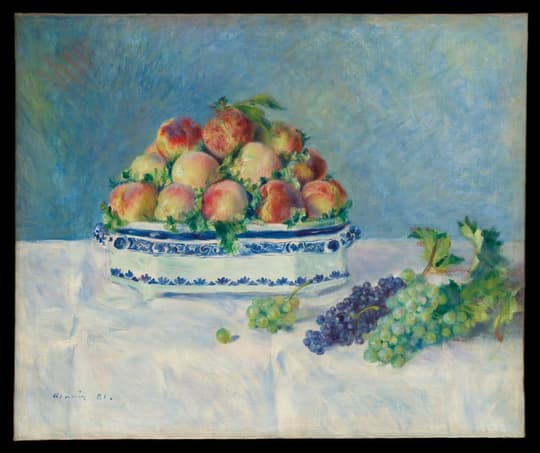
Still Life with Peaches and Grapes
Auguste Renoir
FEATURED
 Configure →
Young Lady in 1866
Edouard Manet
FEATURED
 Configure →
In the Kitchen
Kitagawa Utamaro
FEATURED
 Configure →
“Preparing Food for the Warbler,” from the album Men’s Stamping Dance (Otoko dōka, uguisu no esa suri)
Kitagawa Utamaro
FEATURED


The Mechanics of Face-Mounting
The visual impact of an acrylic print relies on the face-mounting technique. Unlike traditional framing, where an air gap exists between the glass and the print, face-mounting uses a specialized, optically clear adhesive to bond the photographic print directly to the back of the acrylic sheet. Eliminating the air gap removes internal reflections and light scattering. When external light hits the surface of the acrylic, it travels through the glass, hits the print, and reflects back out, creating a luminous, wet-look effect that makes colors appear deeper and blacks appear richer. A solid backing, typically aluminum or rigid board, is then applied to the rear of the print to protect it and provide a secure anchor for the floating mounting hardware.
Specifying Acrylic in Contemporary Spaces
Acrylic is the heaviest and most premium feeling of the print-on-demand mediums. Its sleek, high-gloss surface demands attention, making it the ideal format for high-impact visual styles like macro photography, vibrant abstract art, and neon or futuristic digital landscapes. Because acrylic is highly reflective, placement is critical. Avoid hanging acrylic pieces directly across from large, unshaded windows, as the glare will obscure the image. Instead, position them on adjacent walls or light them with angled, directional gallery tracks. The edges of the acrylic are typically polished to a clear, glass-like finish, meaning the artwork can be viewed from sharp angles, making it highly effective in hallways or transitional spaces where viewers approach the piece from the side.
Browse the Acrylic Prints catalog
4,327 works
 Configure →
Pink Boots, Pink Beach
From $39
 Configure →
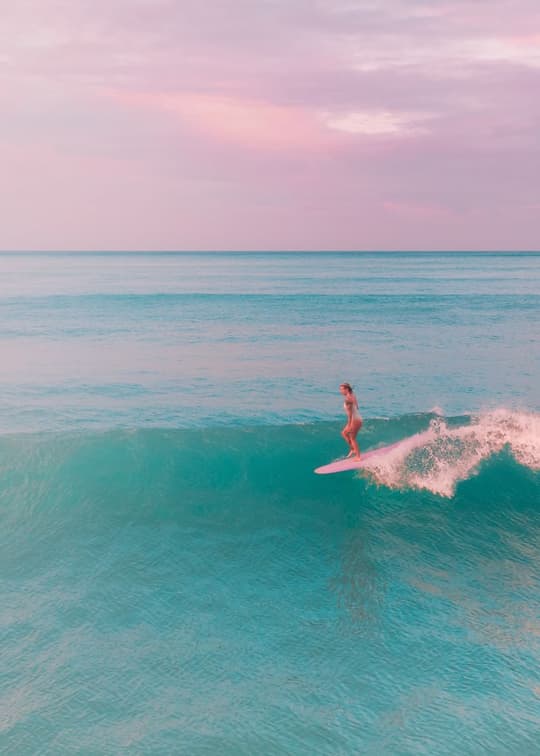
Sunset Surfer
From $39
 Configure →
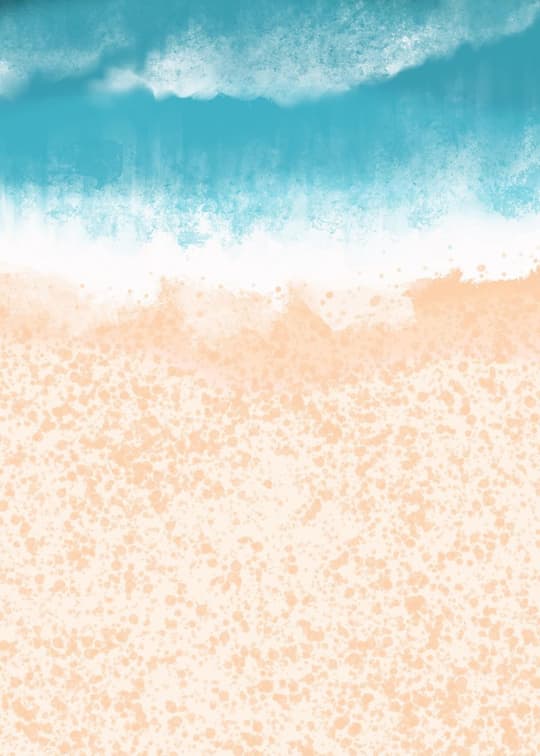
Turquoise Waves & Sandy Shore
From $39
 Configure →
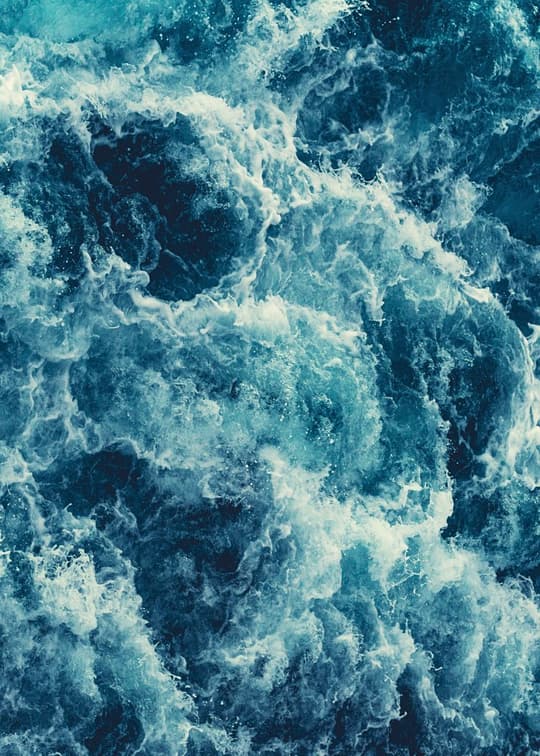
Colorful Beach Huts
From $39
 Configure →
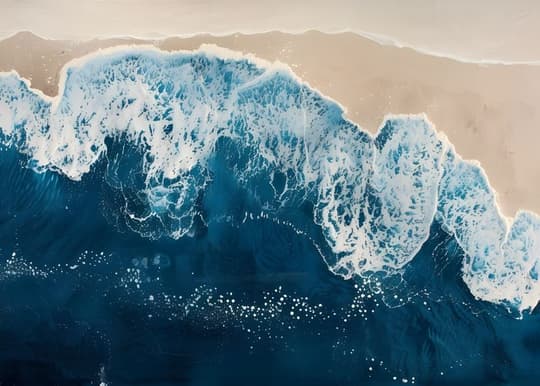
Ocean Waves
From $39
 Configure →
Aerial Coastal Waves
From $39
 Configure →
Garden by the River
Claude Monet
From $39
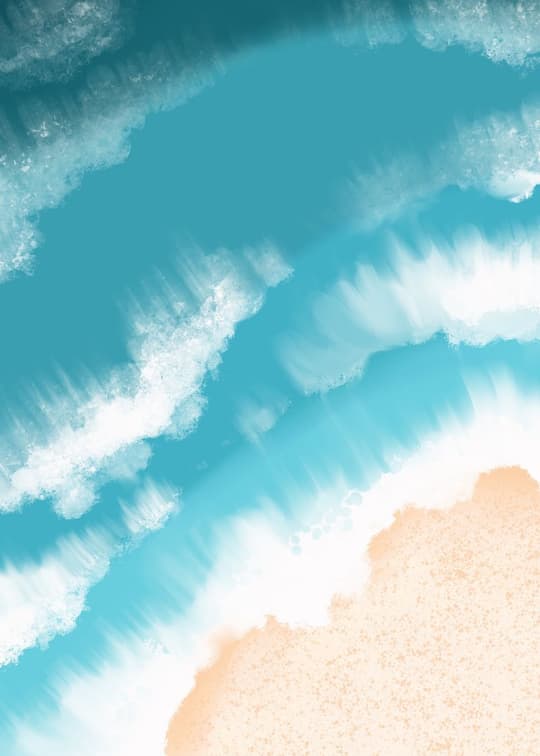 Configure →
Turquoise Waves & Sandy Shore
From $39
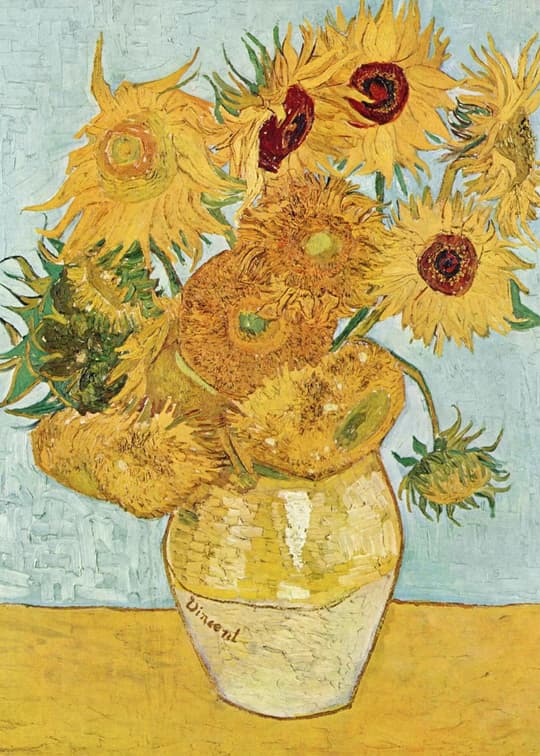 Configure →
Sunflowers in a Vase
Vincent van Gogh
From $39
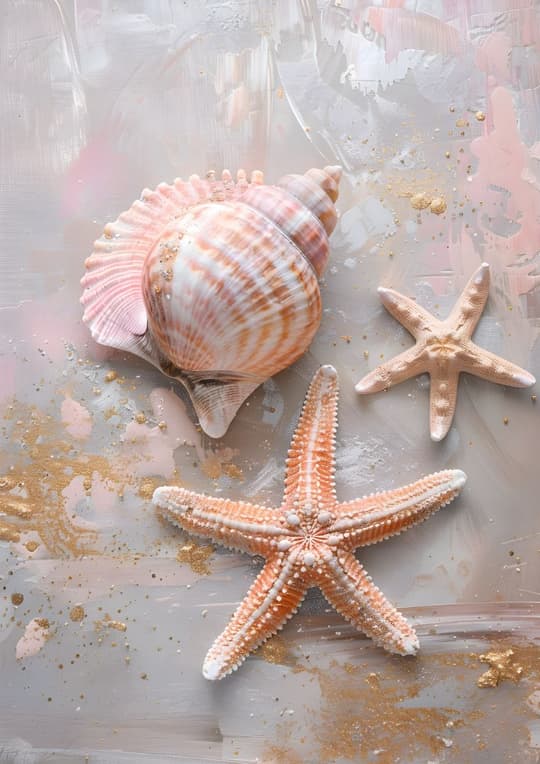 Configure →
Coastal Treasures
From $39
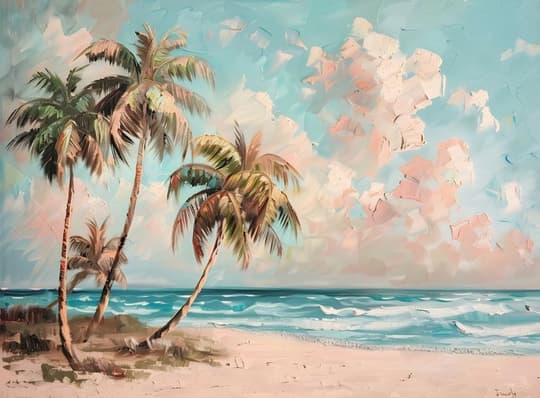 Configure →
Tropical Beach Paradise
From $39
 Configure →
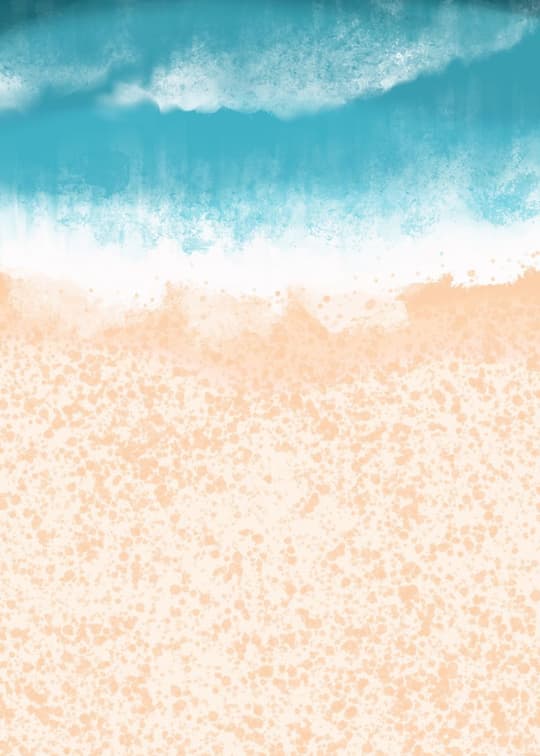
Turquoise Waves & Sandy Shore
From $39
 Configure →
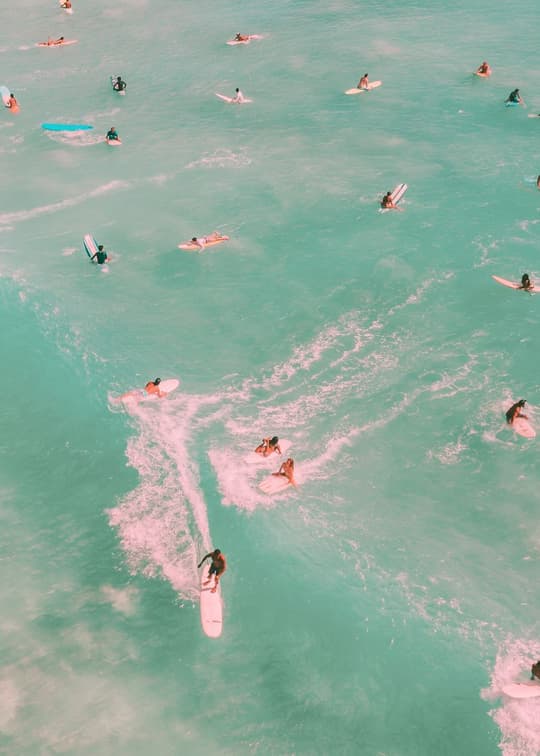
Surfers in Turquoise Waters
From $39
 Configure →
Woman in Pink Hat by the Sea
From $39
 Configure →
Lemon Garden with Lake View
From $39
 Configure →
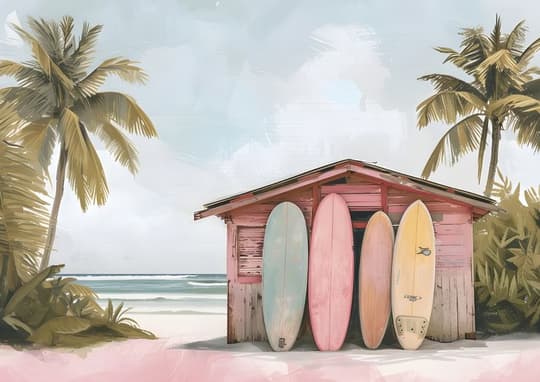
Coastal Surf Shack
From $39
 Configure →
Sailboats on the Thames
Alfred Sisley
From $39
 Configure →
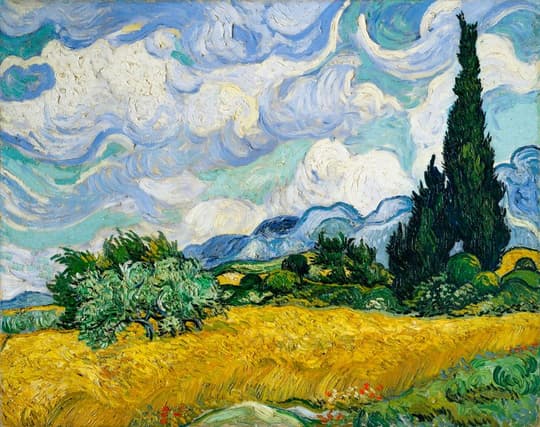
Wheat Field with Cypress
Vincent van Gogh
From $39
 Configure →
Pastel Sunset Beach
From $39
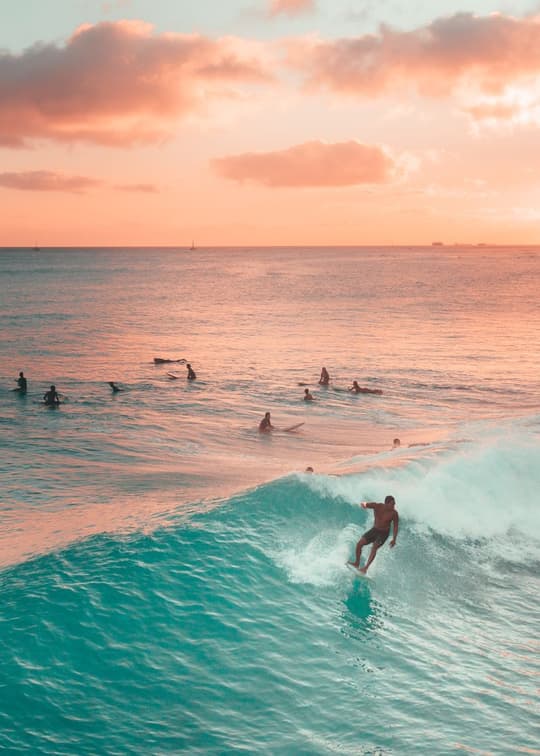 Configure →
Sunset Surfers
From $39
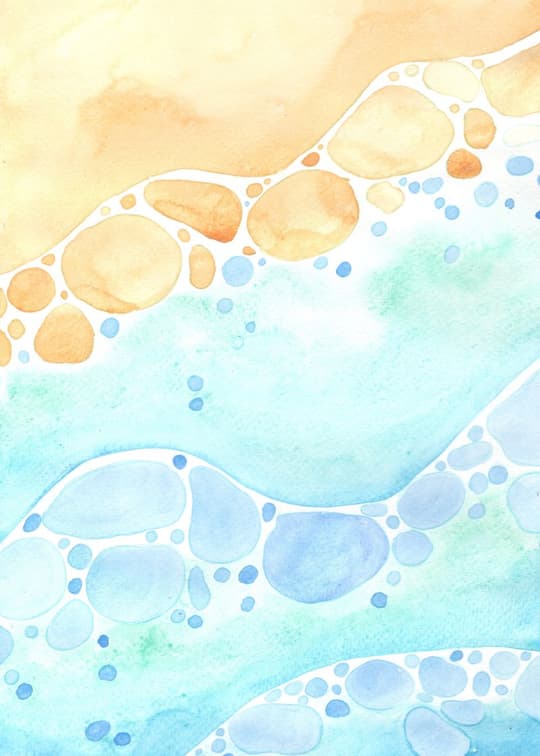 Configure →
Coastal Pebbles & Waves
From $39
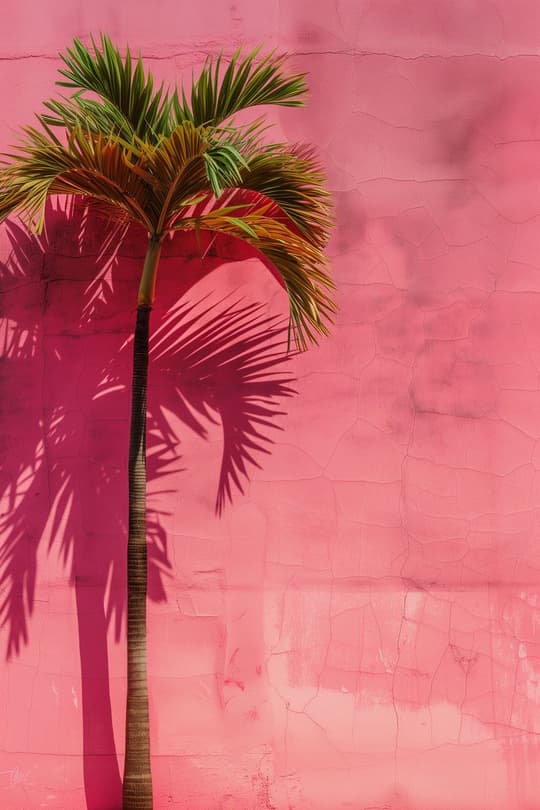 Configure →
Pink Palm Shadow
From $39
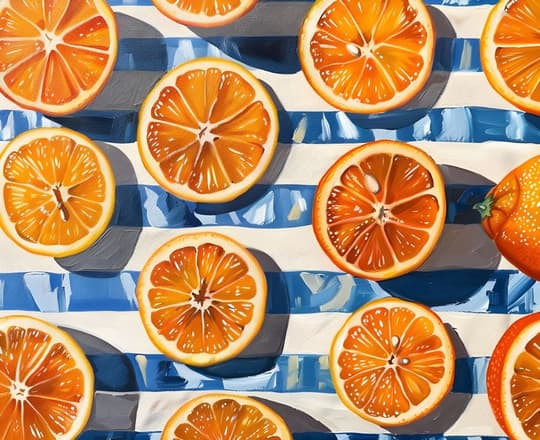 Configure →
Orange Slices on Blue Stripes
From $39
 Configure →
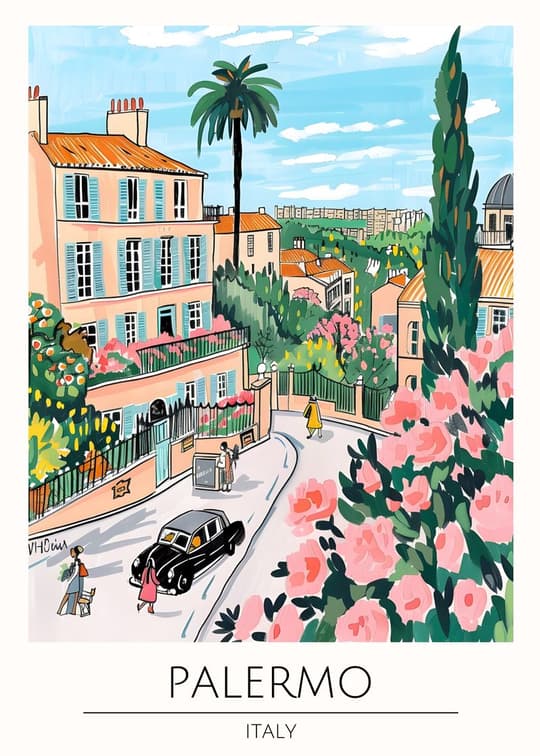
Palermo, Italy
From $39
Frequently asked
4
- What is the difference between acrylic and metal prints?
- Both offer a sleek, frameless look, but the production differs. Metal prints infuse dyes directly into an aluminum coating, resulting in a lightweight, durable, glare-resistant matte or glossy finish. Acrylic prints mount a paper photograph behind a thick sheet of clear acrylic plastic, offering a heavier, glass-like finish with superior optical depth and three-dimensional light refraction.
- How thick is the acrylic used in these prints?
- Standard acrylic wall art is typically face-mounted to 1/4-inch (approx. 6mm) thick optical-grade cast acrylic. This thickness is substantial enough to provide the desired depth and light refraction without making the final piece impossibly heavy to hang on standard drywall.
- How do I clean and maintain an acrylic print?
- Acrylic is softer than traditional glass and can scratch if handled improperly. Clean the surface only with a clean, damp microfiber cloth. Do not use paper towels, standard glass cleaners containing ammonia (like Windex), or abrasive sponges, as these will cause micro-scratches and cloud the acrylic over time.
- Do acrylic prints require special hanging hardware?
- Because they consist of acrylic, photographic paper, adhesive, and a rigid backing, acrylic prints are quite heavy. They come equipped with heavy-duty French cleats or specialized stand-off mounting blocks. While they do not require finding a wall stud, they strictly require proper drywall anchors rated for at least 20-30 pounds.
Other formats