
Topic
Coastal Wall Art
Atmospheric seascapes, maritime charts, and the topography of the shoreline.
Coastal wall art moves beyond basic nautical motifs to capture the atmospheric and geographic realities of the shoreline. This collection encompasses turbulent seascape photography, quiet maritime paintings, vintage coastal cartography, and aerial views of barrier islands.…
By the numbers
- Works
- 602
- Mediums
- 4
- Artists
- 7
602 Coastal works
 Configure →
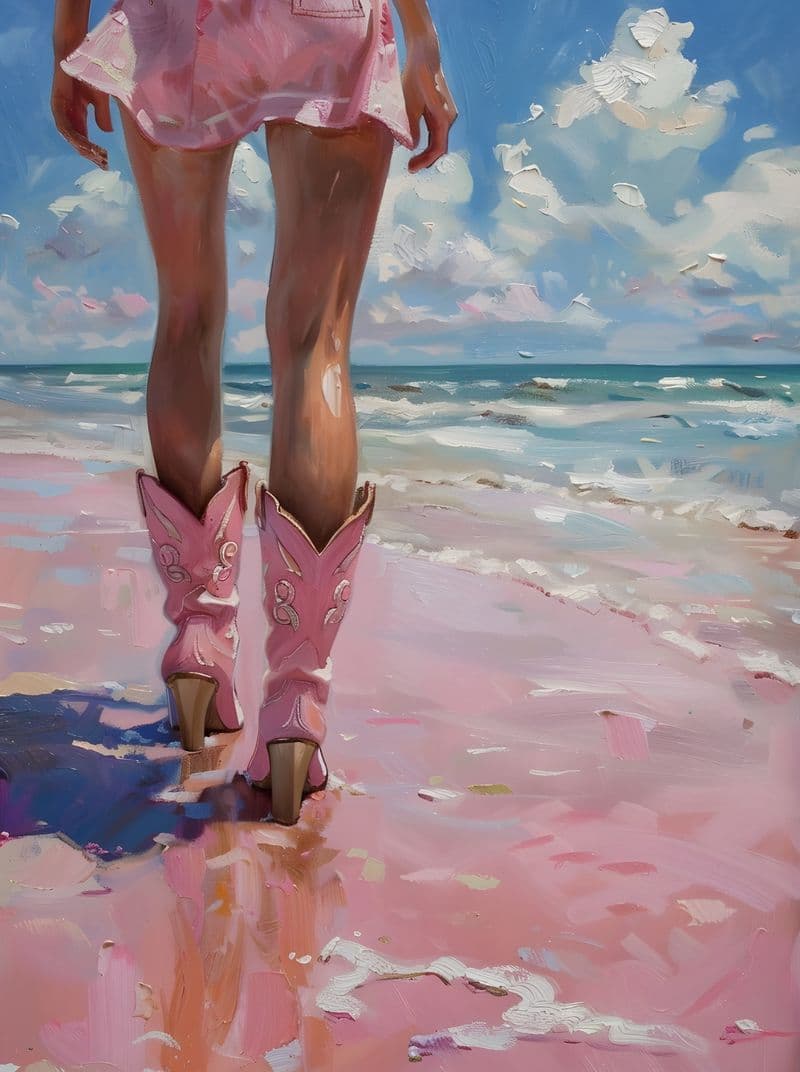
Pink Boots, Pink Beach
 Configure →
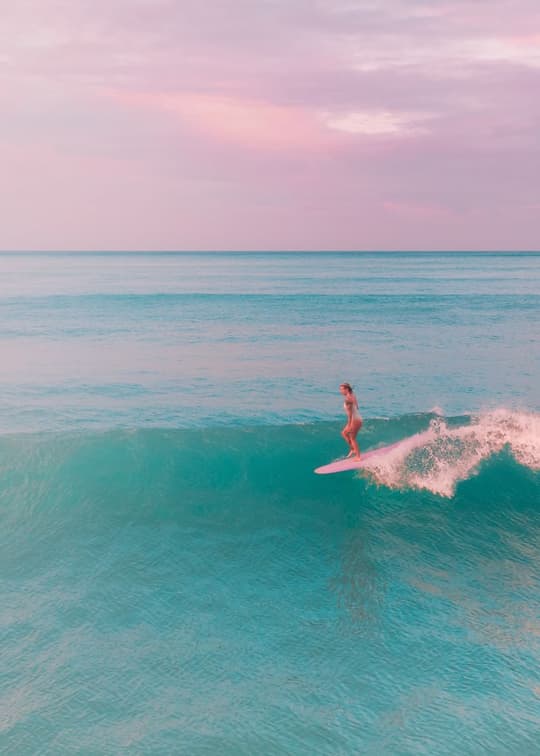
Sunset Surfer
 Configure →
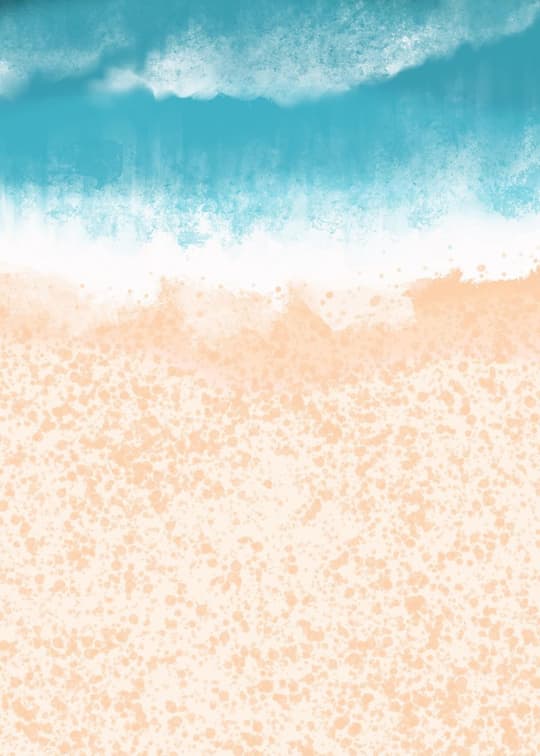
Turquoise Waves & Sandy Shore
 Configure →
Colorful Beach Huts
 Configure →
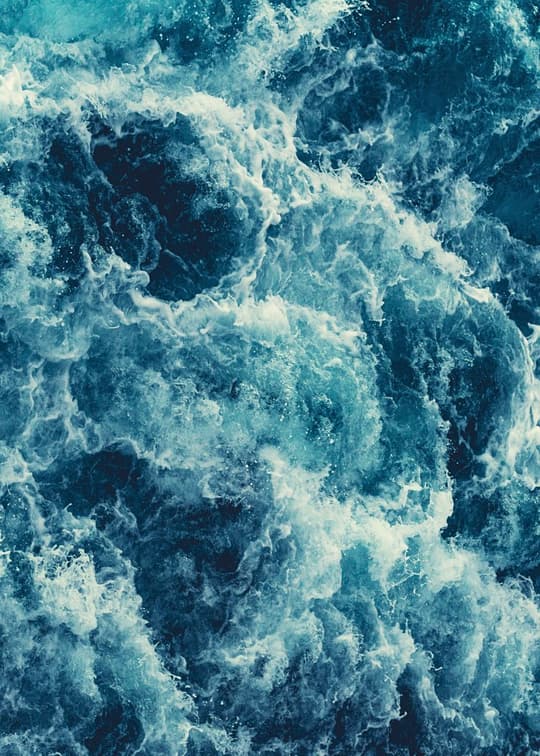
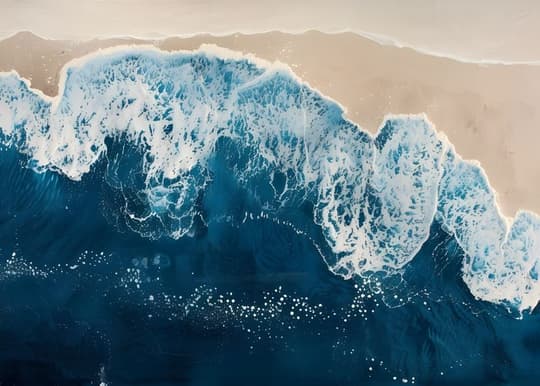
Ocean Waves
 Configure →
Aerial Coastal Waves
 Configure →
Garden by the River
Claude Monet
 Configure →
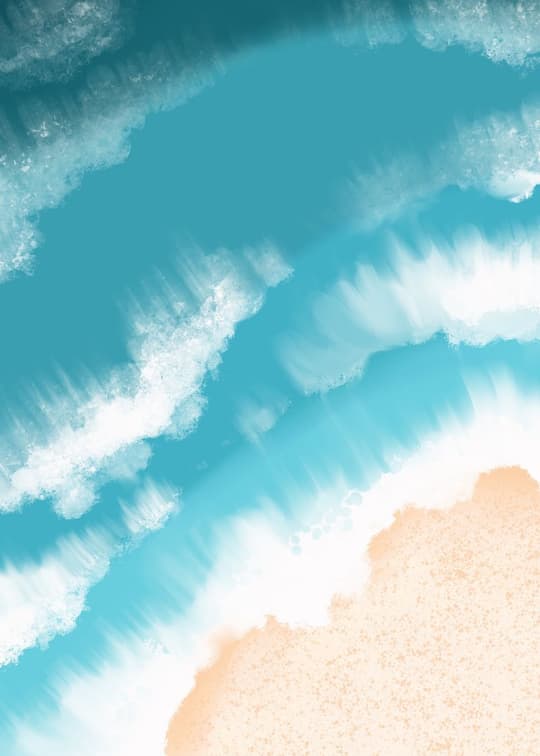
Turquoise Waves & Sandy Shore
 Configure →
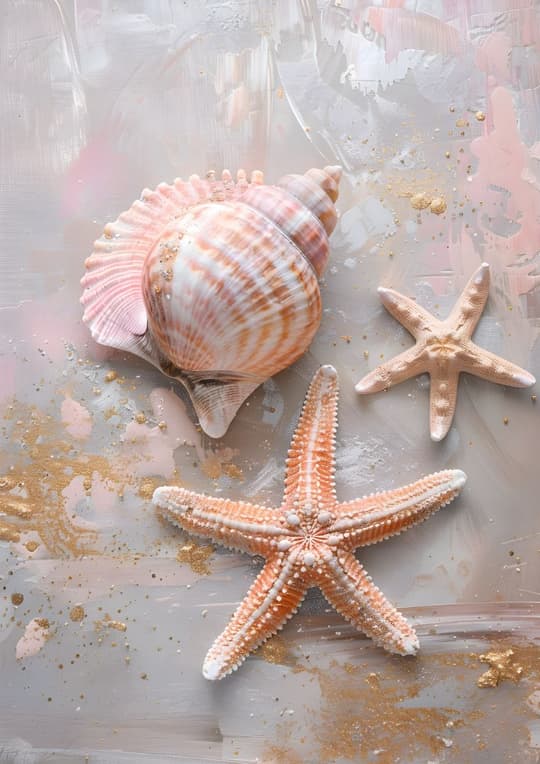
Coastal Treasures
 Configure →
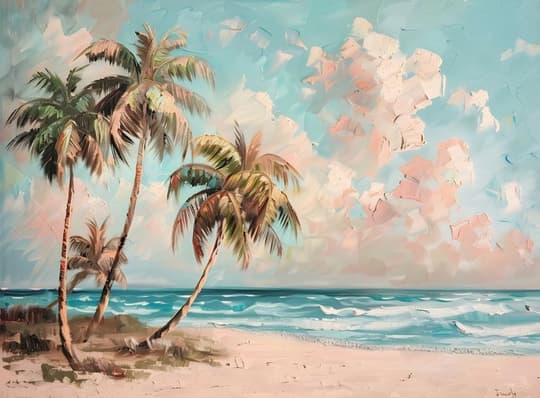
Tropical Beach Paradise
 Configure →
Turquoise Waves & Sandy Shore
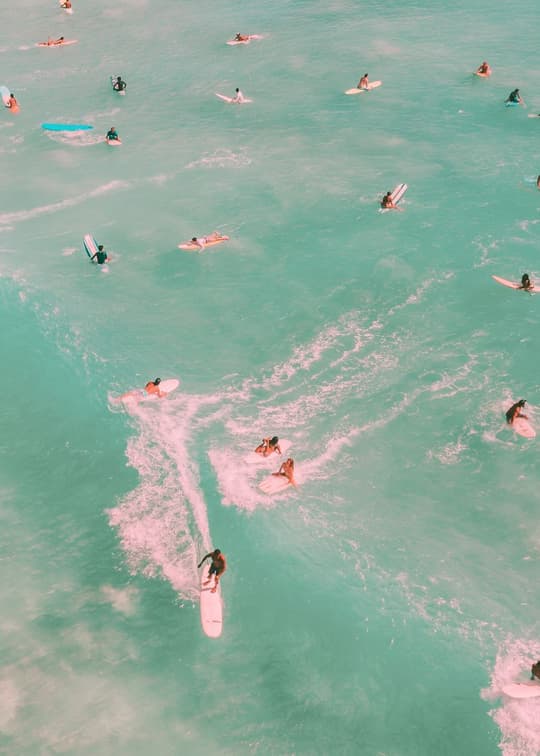 Configure →
Surfers in Turquoise Waters
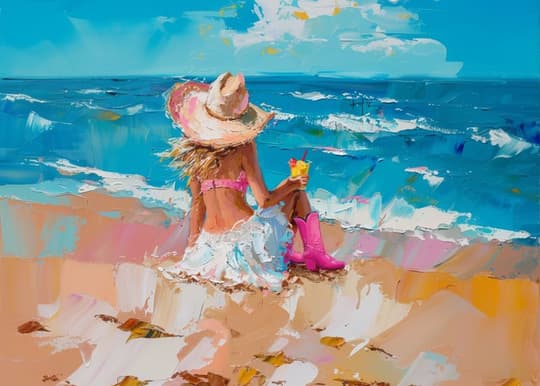 Configure →
Woman in Pink Hat by the Sea
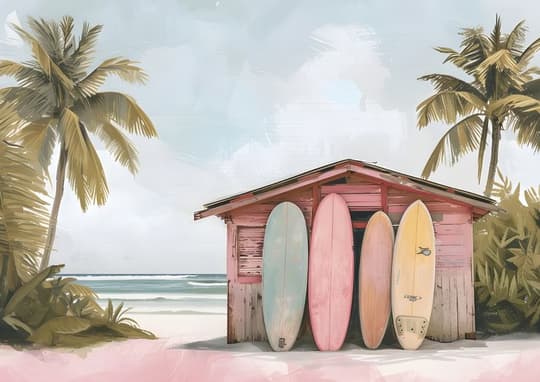 Configure →
Coastal Surf Shack
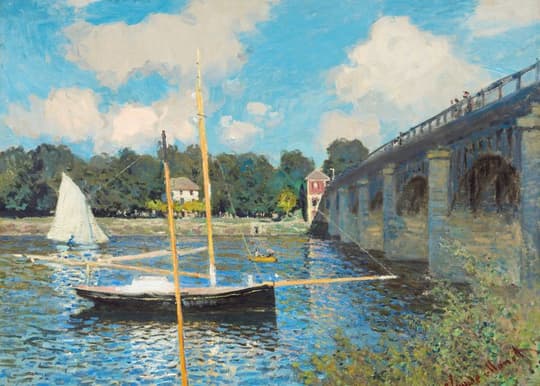 Configure →
Sailboats on the Thames
Alfred Sisley
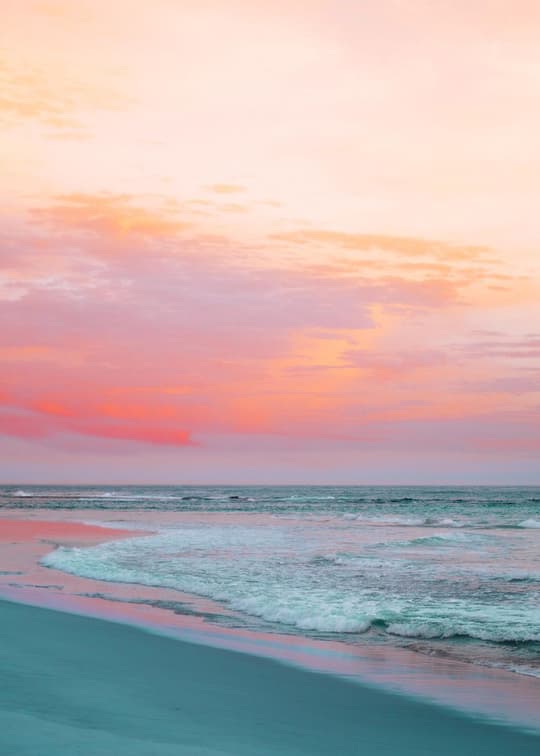 Configure →
Pastel Sunset Beach
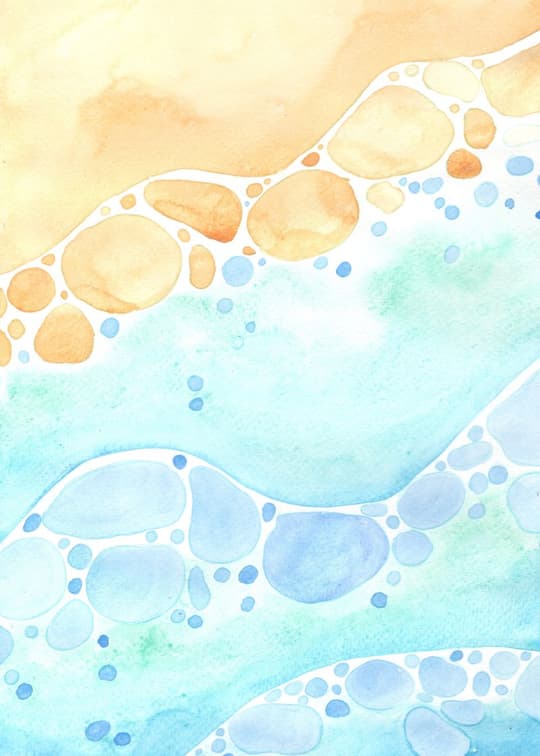 Configure →
Coastal Pebbles & Waves
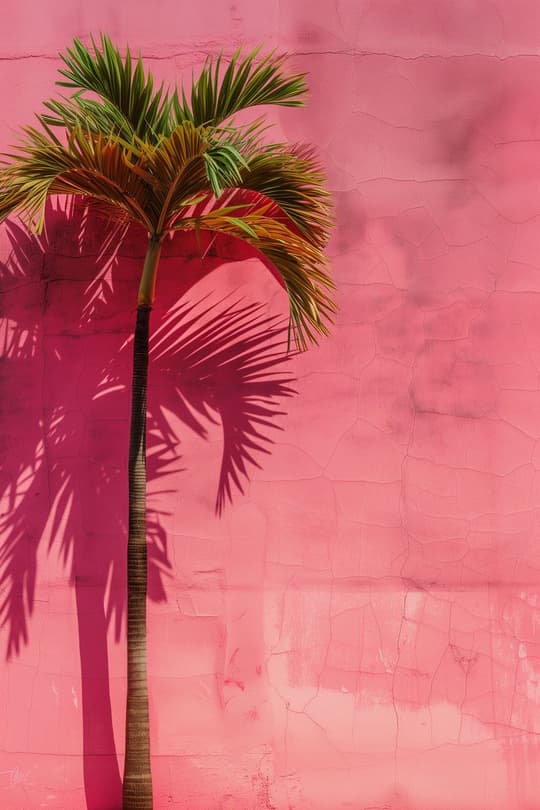 Configure →
Pink Palm Shadow
 Configure →
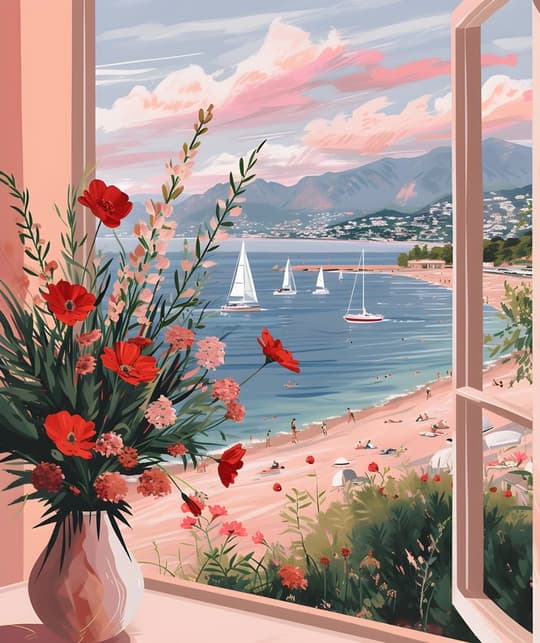
Coastal View with Red Flowers
 Configure →
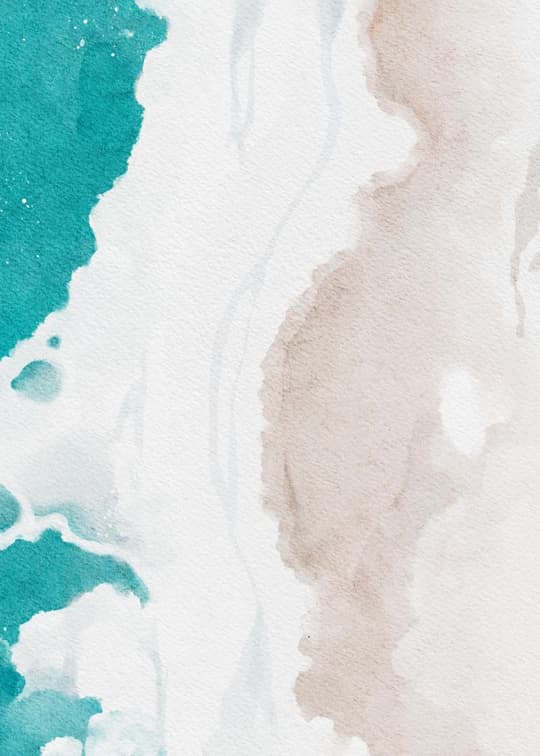
Coastal Waters
 Configure →
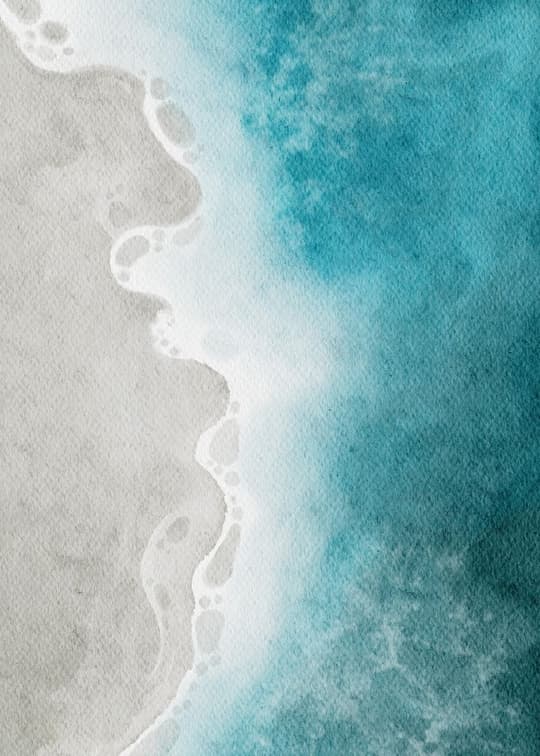
Ocean Waves & Sandy Shore
 Configure →
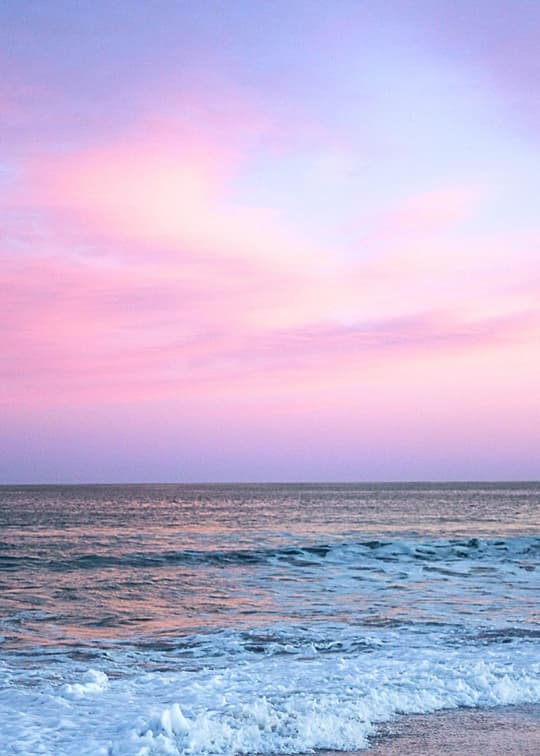
Pastel Sunrise Over the Ocean
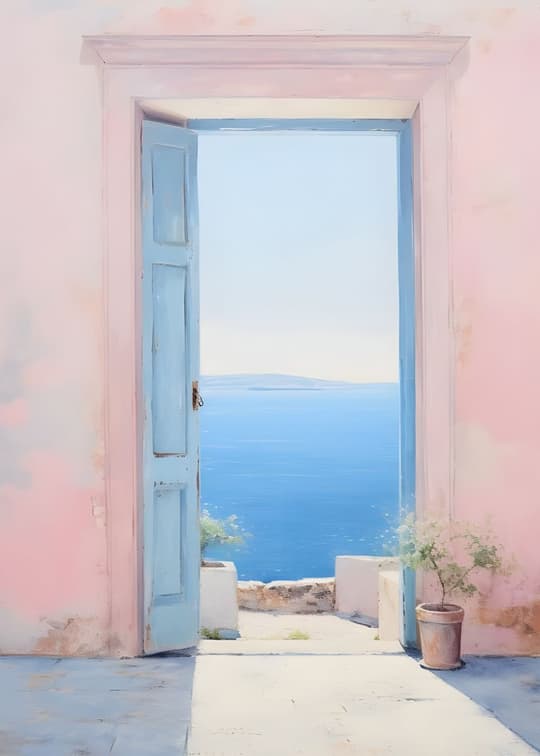 Configure →
Mediterranean Door to the Sea
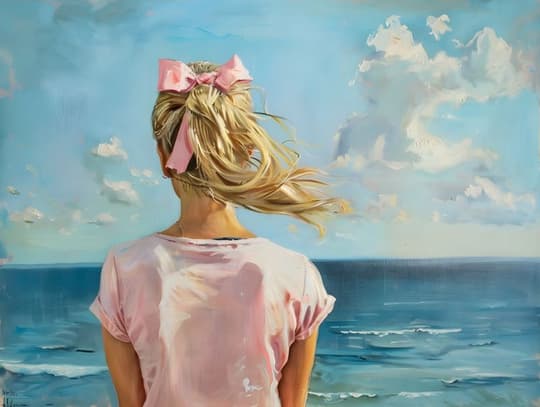 Configure →
Girl by the Sea
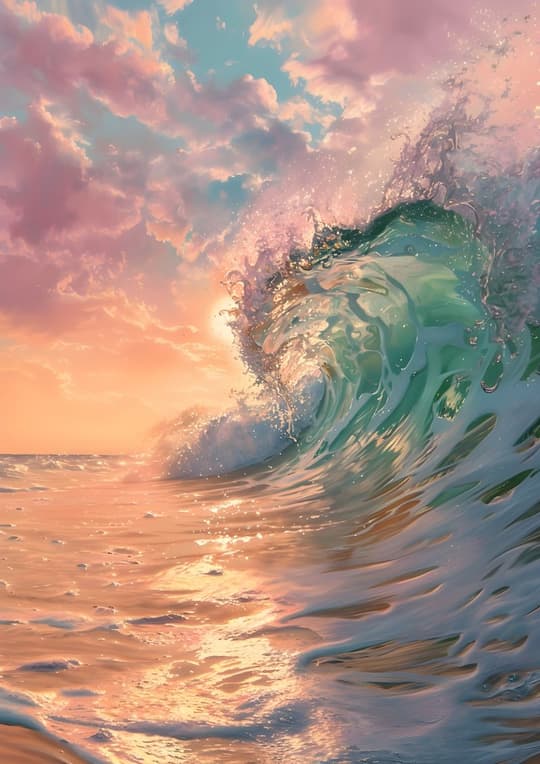 Configure →
Sunset Wave
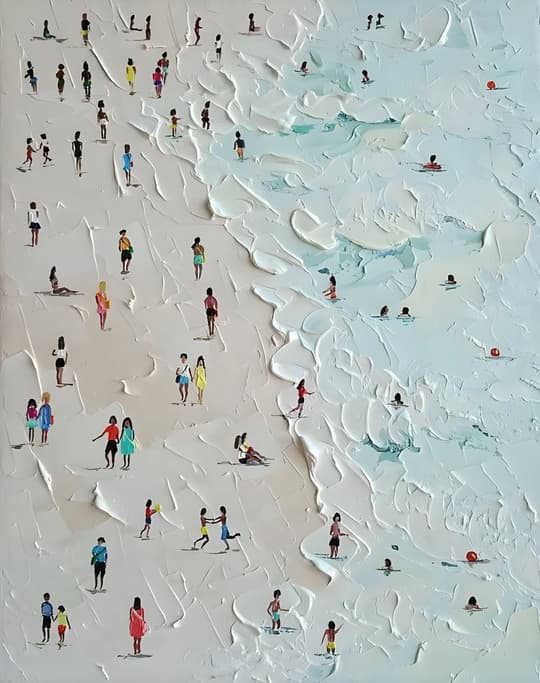 Configure →
Beach Day at the Shore
 Configure →
Surfboards at Rest
 Configure →
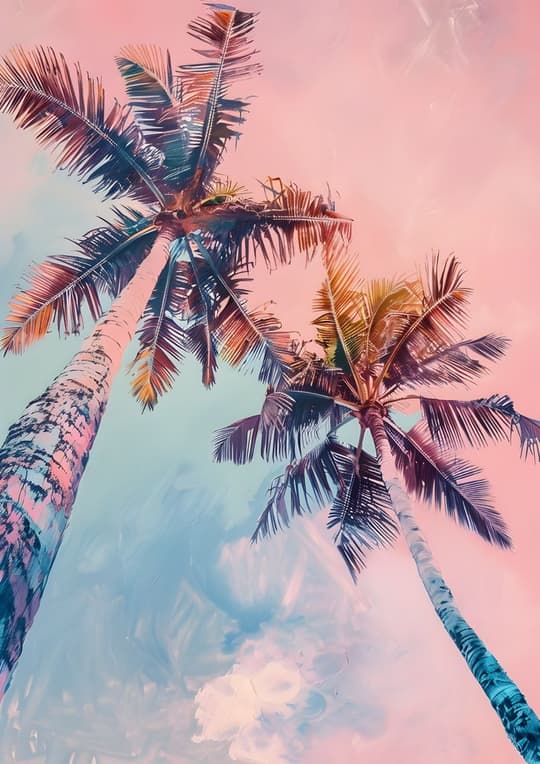
Tropical Paradise Palms
 Configure →
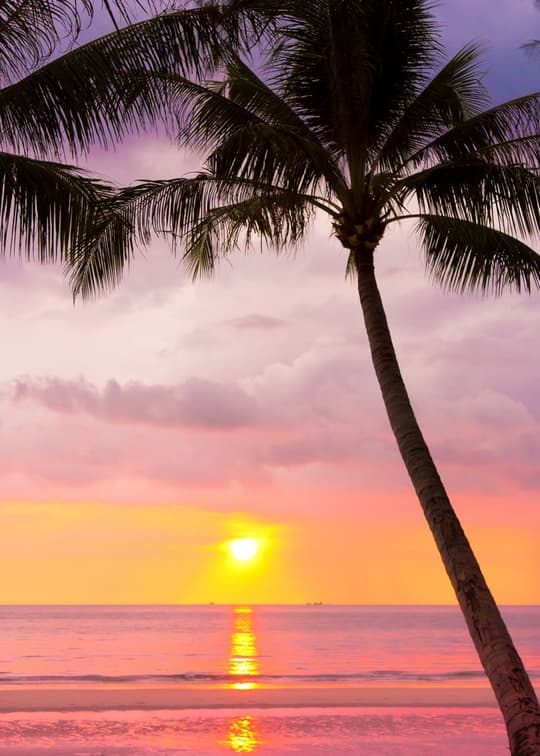
Tropical Sunset Paradise
 Configure →
Golden Palm Trees at Sunset
 Configure →
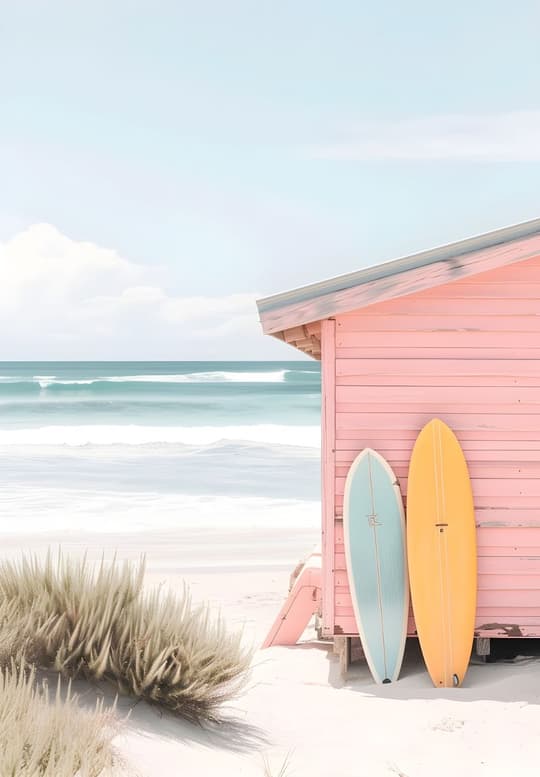
Pink Beach Hut with Surfboards
 Configure →
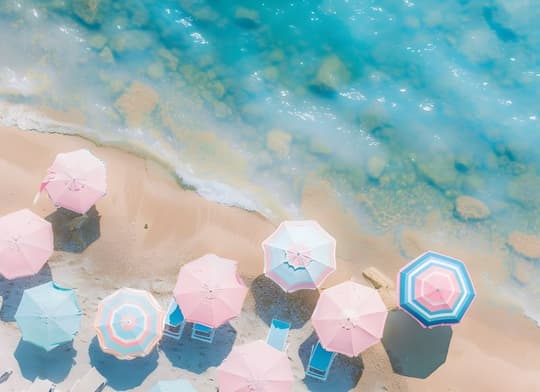
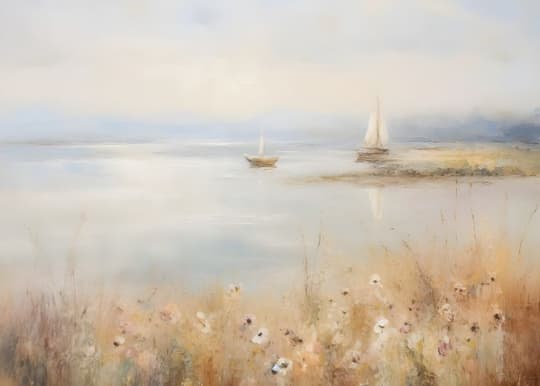
Beach Umbrellas by the Shore
 Configure →
Sailboats in Misty Lagoon
 Configure →
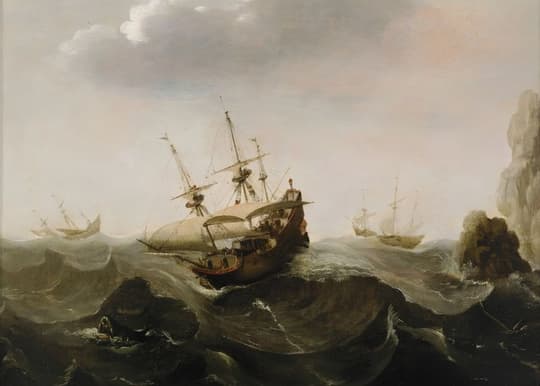
Ships in Stormy Waters
 Configure →
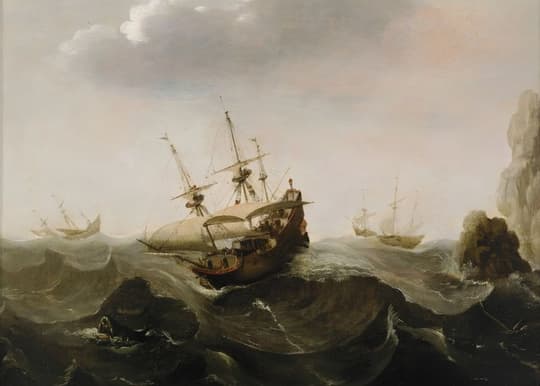
Sailing Vessels in Stormy Seas
 Configure →
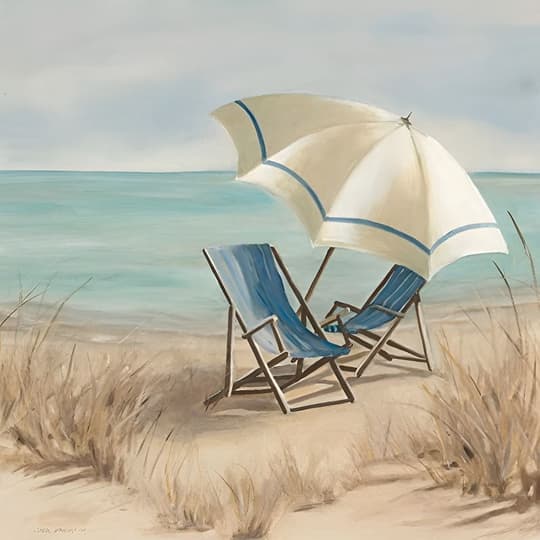
Beach Parasol Retreat
 Configure →
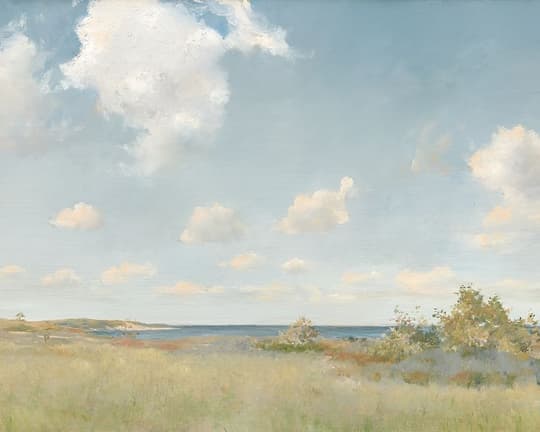
Coastal Meadow under Soft Sky
 Configure →
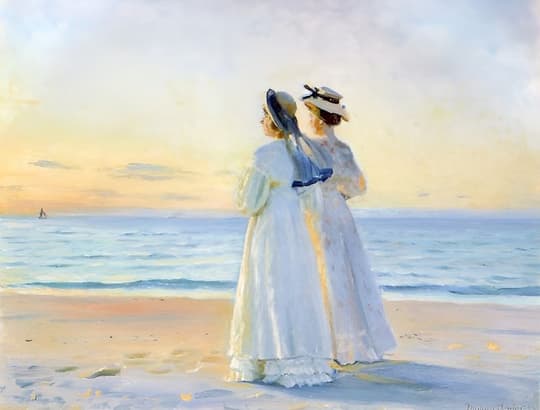
Summer by the Sea
Wilhelm Bendz
 Configure →
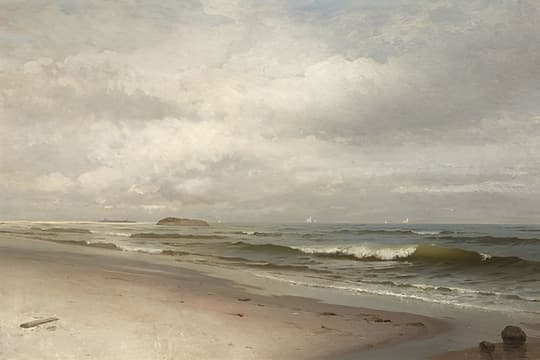
Serene Coastal Seascape
 Configure →
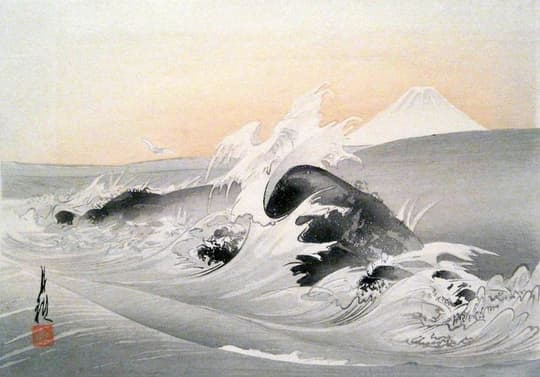
Waves at the Shore
Katsushika Hokusai
 Configure →
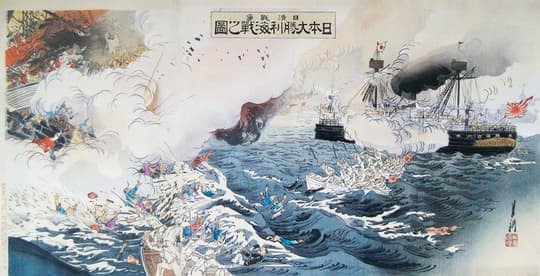
Naval Battle at Sea
Attributed to Meiji Period Japanese School
 Configure →
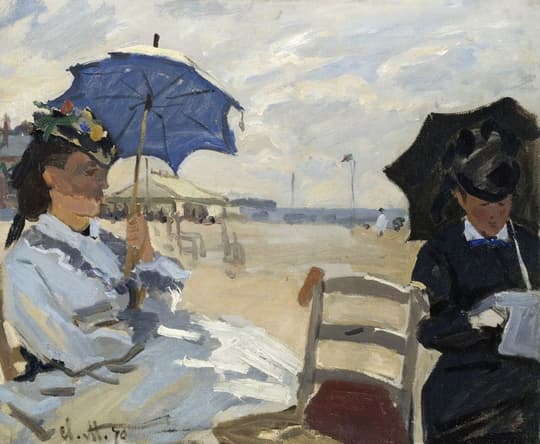
Beach Scene with Blue Parasol
Claude Monet
 Configure →
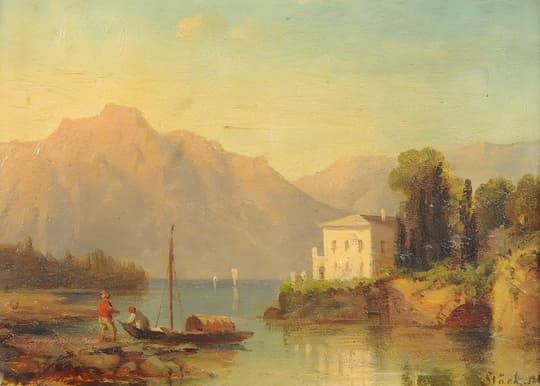
Alpine Lake with Villa
 Configure →
Beach Gathering at Seaside
 Configure →
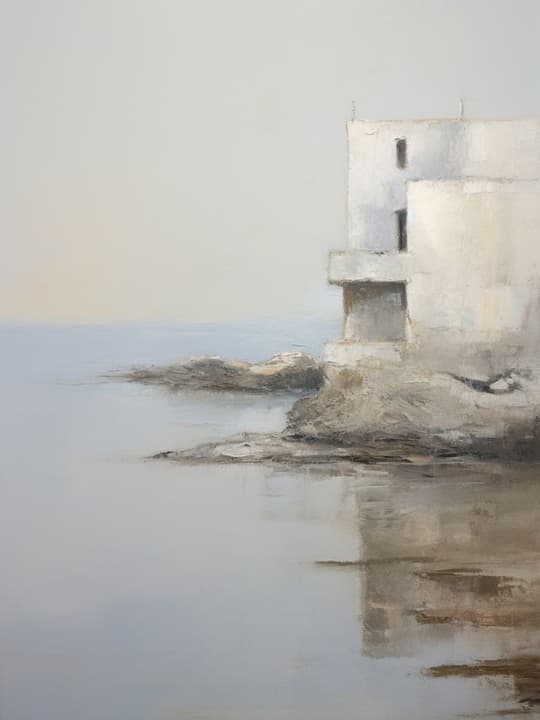
Coastal Fortress
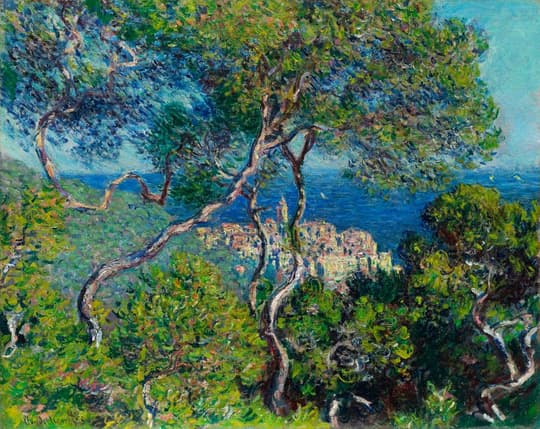 Configure →
Mediterranean Coastal Vista
Claude Monet
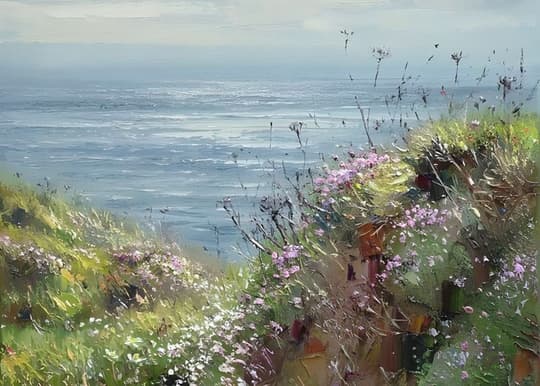 Configure →
Clifftop Wildflowers & Ocean
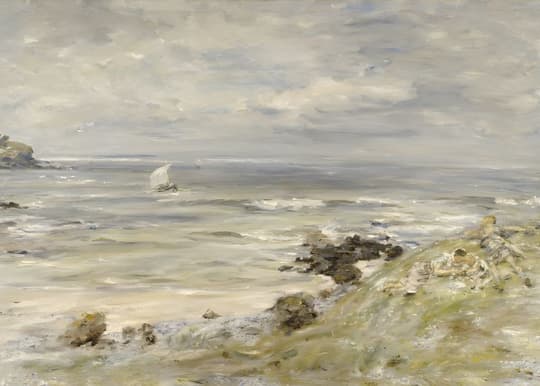 Configure →
Sailboat off Rocky Coast
The YourCover Difference
Gallery walls, without the gallery markup.
Museum-quality printing
Archival inks on canvas, acrylic, metal, or fine-art paper — colour-matched to the original.
Made to order for you
Nothing sits in a warehouse. Every piece is printed and finished the day it's ordered.
Preview before you buy
See the exact size, frame, and finish on your wall in real time — no guesswork.
Happiness guaranteed
If a piece doesn't land the way you hoped, we'll make it right — no fuss.
On this collection
Atmospheric seascapes, maritime charts, and the topography of the shoreline.
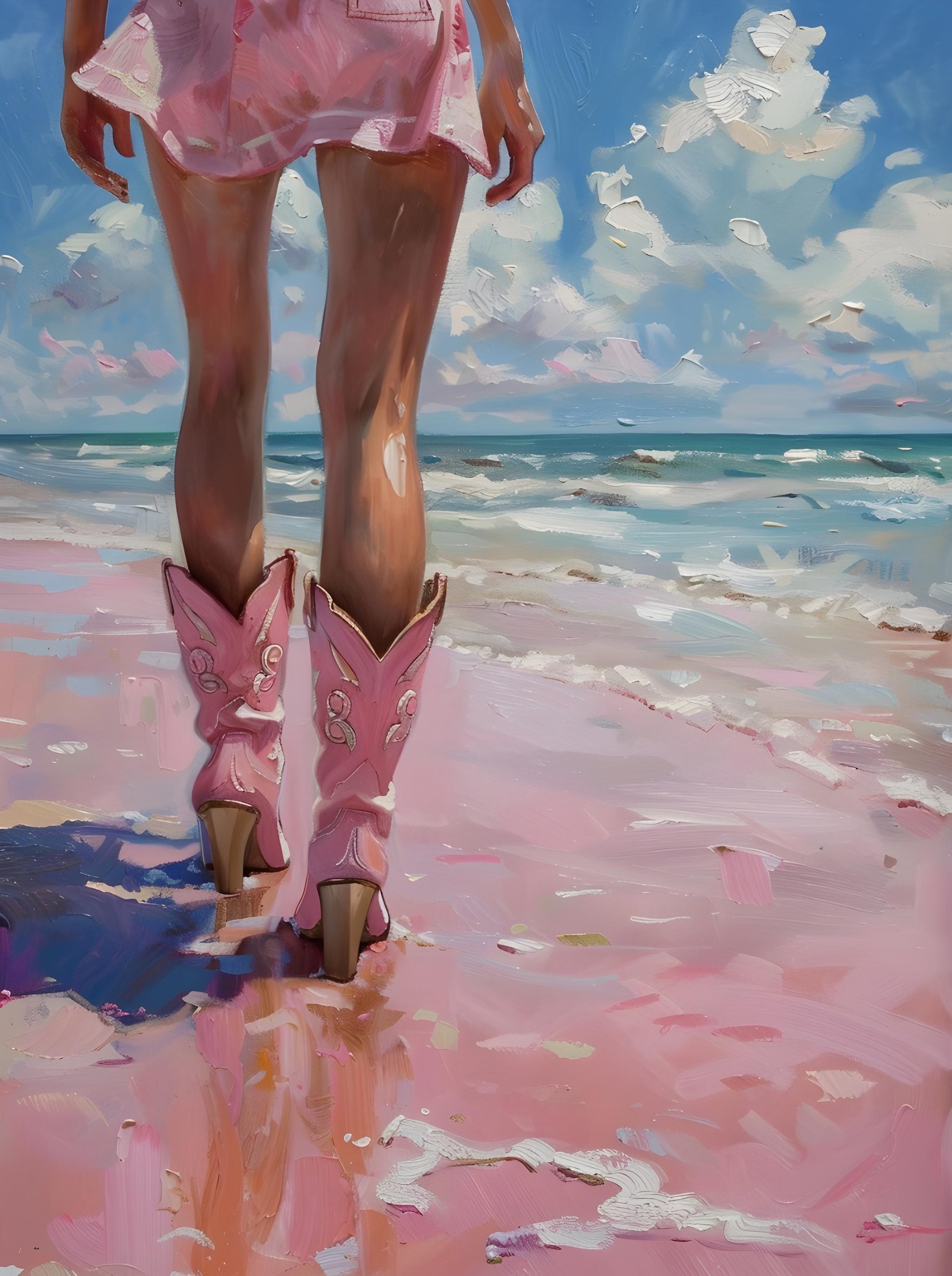
The Scope of Coastal Subject Matter
The genre of coastal art is historically divided into two distinct perspectives: looking out to sea, and looking back at the shore. Traditional seascapes, championed by 19th-century painters, focus heavily on the ocean's temperament. These works deal with light refracting through waves, the geometry of storm clouds, and the isolation of ships at sea. Conversely, modern coastal art frequently adopts an aerial or topographical viewpoint. Drone photography has popularized top-down views of tidal pools, surfing breaks, and the stark contrast between white sand and deep blue water. Additionally, vintage bathymetric charts — maps showing the depth of water in oceans and lakes — provide a graphic, highly detailed alternative to standard coastal landscapes, appealing to a more analytical aesthetic.
Grounding a Room with Coastal Palettes
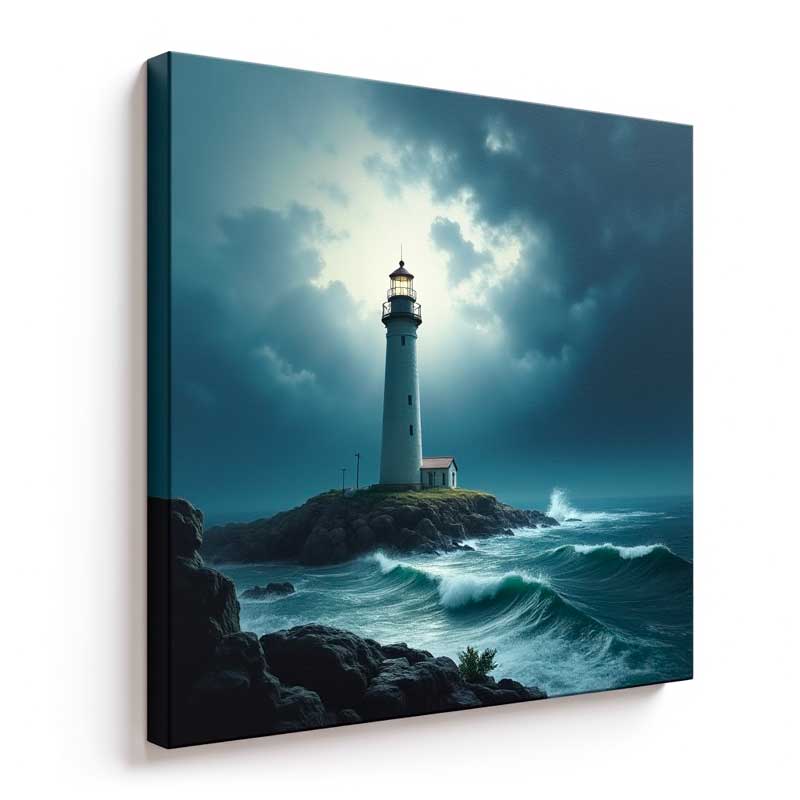
Because coastal art is dominated by blues, grays, and whites, it inherently acts as a cooling agent in interior design. A large-scale seascape with a prominent, level horizon line will visually widen a room, making it an excellent choice for narrow living spaces or bedrooms. When styling, the choice of medium alters the artwork's impact. Canvas lends a textured, painterly quality well-suited for classic oil reproductions and soft, foggy beach scenes. For high-definition photography of crashing waves or vibrant tropical coastlines, acrylic or metal formats enhance the contrast and provide a wet, glass-like finish that mirrors the subject matter. Avoid overwhelming a room by pairing coastal art with explicitly nautical decor; instead, let the art stand alone alongside natural textures like linen, oak, and leather.
How your print is made
From archive to wall
Digital remastering included
- 01
Source
Each piece comes from a high-resolution museum or curated archive — the kind of original-quality source you'd otherwise only find at the Met or a specialized print dealer.
- 02
Remaster
Before we print, every image is digitally cleaned: scan borders trimmed, color profile adjusted to the chosen medium, resolution matched to your selected size. No museum-scan artifacts make it onto your wall.
- 03
Print
Pigment inks on archival material in our LA studio. Quality-checked, packaged flat or rolled depending on size, shipped ready to hang within 5–7 business days.
Same art, your surface
Coastal on every medium
Keep exploring
If you like Coastal, you'll like…
Buy with confidence
Sizing & hanging guide
- 1
Measure your wall
Width and height of the open space, edge to edge.
- 2
Take 2/3 of it
Art should fill about two-thirds of the available width.
- 3
Match the orientation
Tall walls take portrait; wide walls take landscape.
- Hang centre at 57–60" from the floor — eye level.
- Leave 3–6" between a frame and furniture below it.
- For a group, treat the cluster as one shape.
- Bigger reads as more expensive; don't under-size.
FAQ
Frequently asked
Not at all. While highly specific regional art (like a map of Cape Cod) feels at home in a beach house, abstract seascapes and moody oceanic photography are universally applicable. In landlocked, urban, or modern spaces, coastal art provides a necessary visual escape and introduces calming, horizontal lines that anchor modern furniture.
Bathymetric art features maps that chart the topography of the ocean floor or lake beds. Similar to how topographic maps show mountains and valleys on land, bathymetric charts use contour lines to show underwater depth. These pieces provide a highly detailed, graphic, and architectural approach to coastal art.
The placement of the horizon line dictates the focus of the piece. A low horizon line emphasizes the sky and weather, creating an expansive, airy feeling. A high horizon line focuses the viewer on the water or the beach, often highlighting texture, waves, and movement. A dead-center horizon offers absolute symmetry and calm.
Yes, mixing eras prevents a room from feeling like a themed set. A 19th-century oil painting of a clipper ship can hang near a stark, black-and-white photograph of a modern pier. The unifying factor should be the color palette or the framing material, rather than the era in which the art was created.