
Style
Vintage Wall Art
Timeless charm, rich character, and art with a story to tell.
Vintage art prints bring a wonderful sense of history and character straight to your walls. Instead of pristine digital perfection, this style embraces the beautiful textures, patinas, and soft color palettes of the past.…
What defines the style
- Categories of Archival Art
- The appeal of vintage wall art lies in its original utilitarian purpose; most of these pieces were not designed as "art" but as commercial communication.
- Achieving an Eclectic Interior
- Vintage art thrives in contrast.
- Creating a Collected Look
- The most welcoming homes usually look like they were put together slowly over time, piece by piece.
526 Vintage works
 Configure →
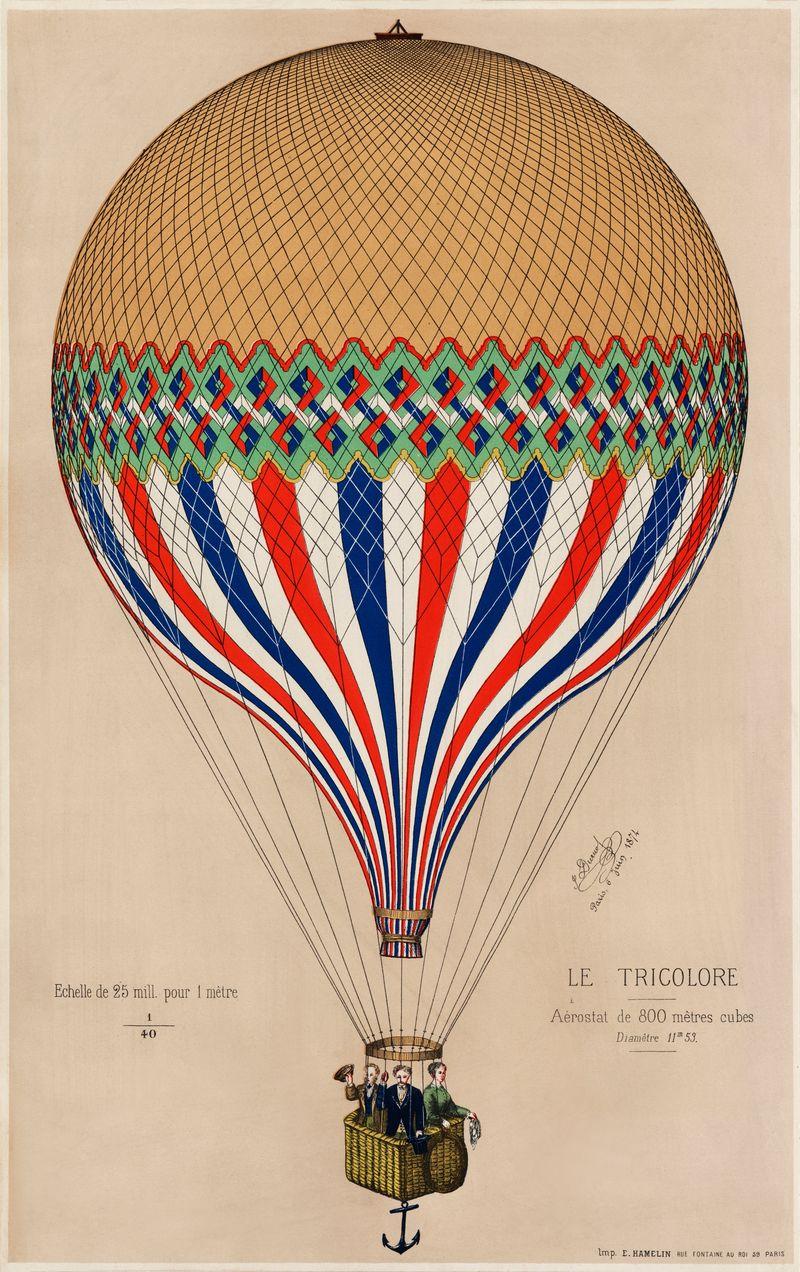
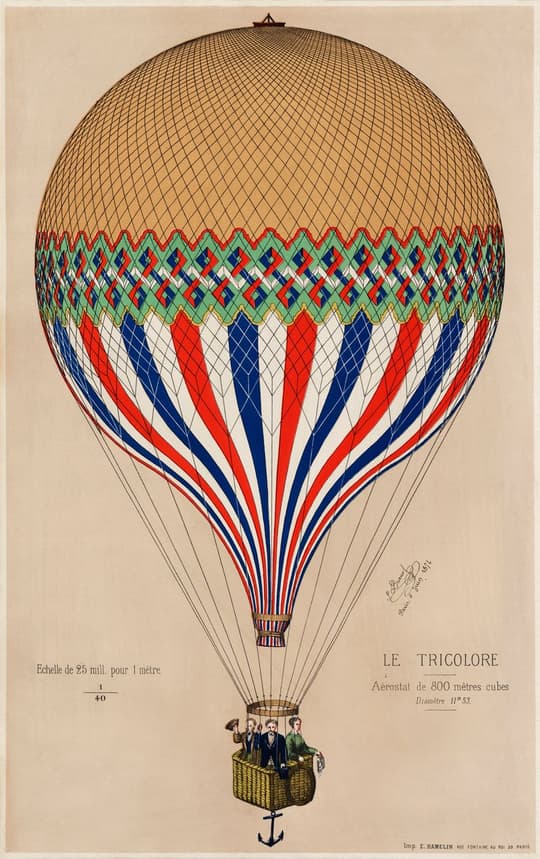
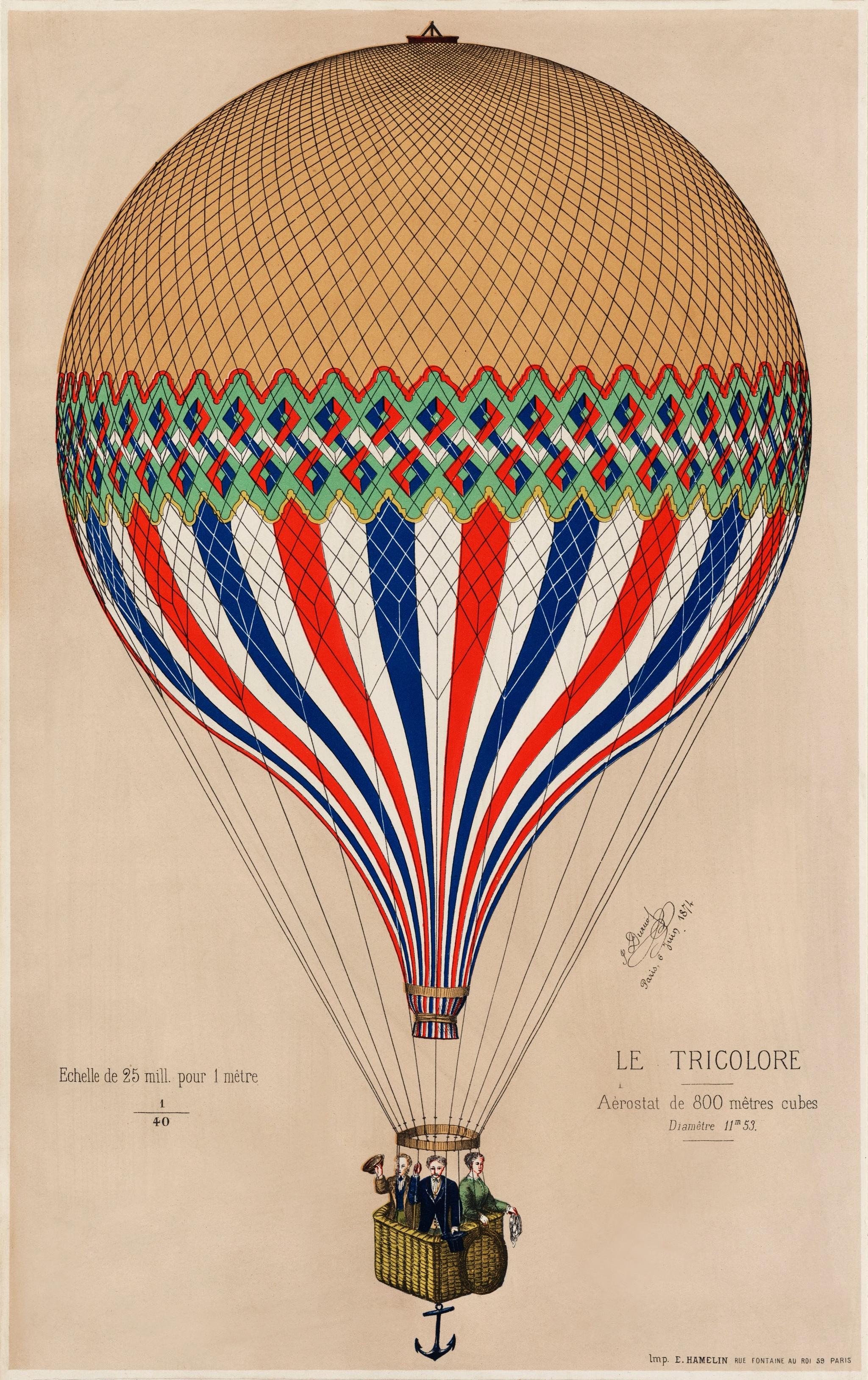
Le Tricolore Hot Air Balloon
 Configure →
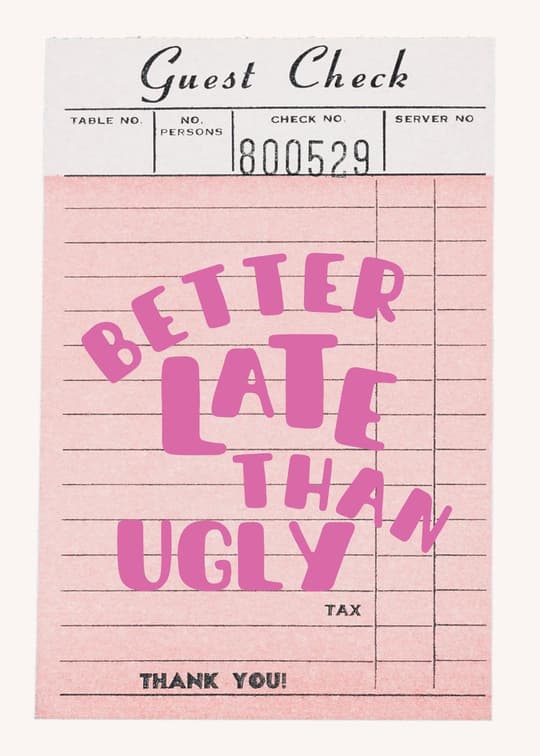
Better Late Than Ugly
 Configure →
Golden Tree-Lined Country Road
 Configure →
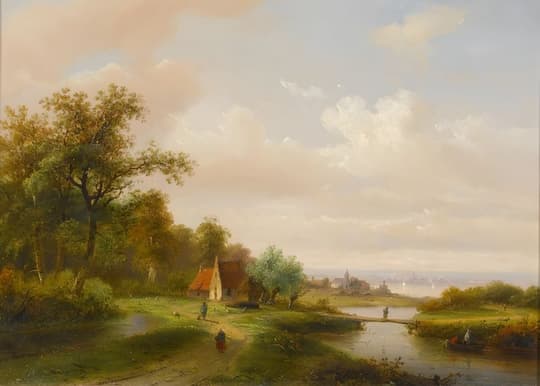
Tranquil River Landscape with Country Church
 Configure →
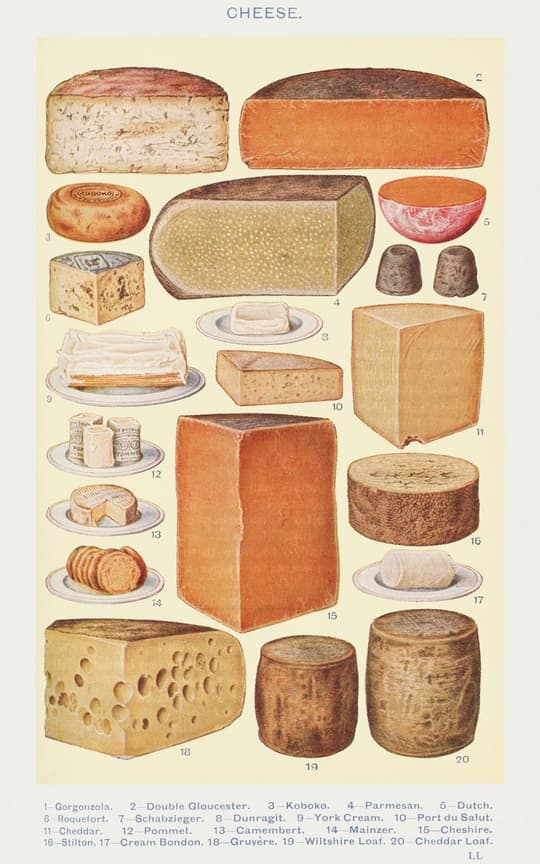
Cheese Varieties Chart
 Configure →
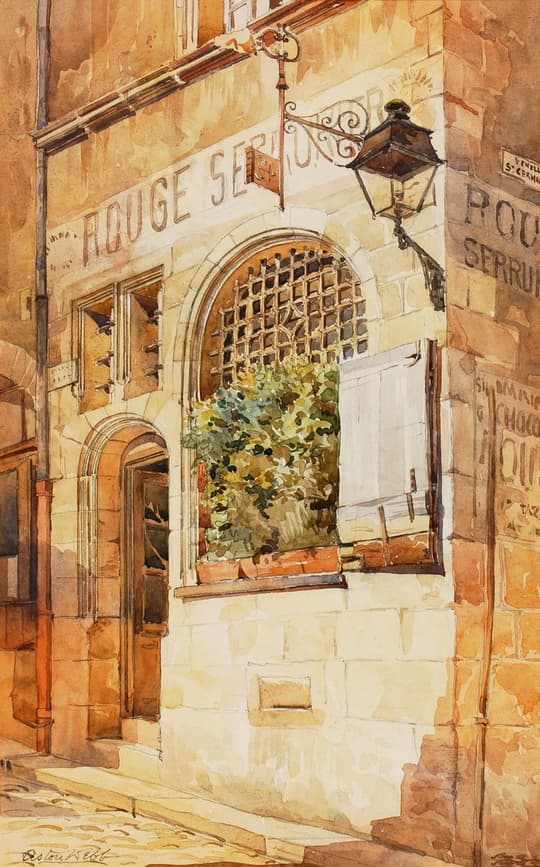
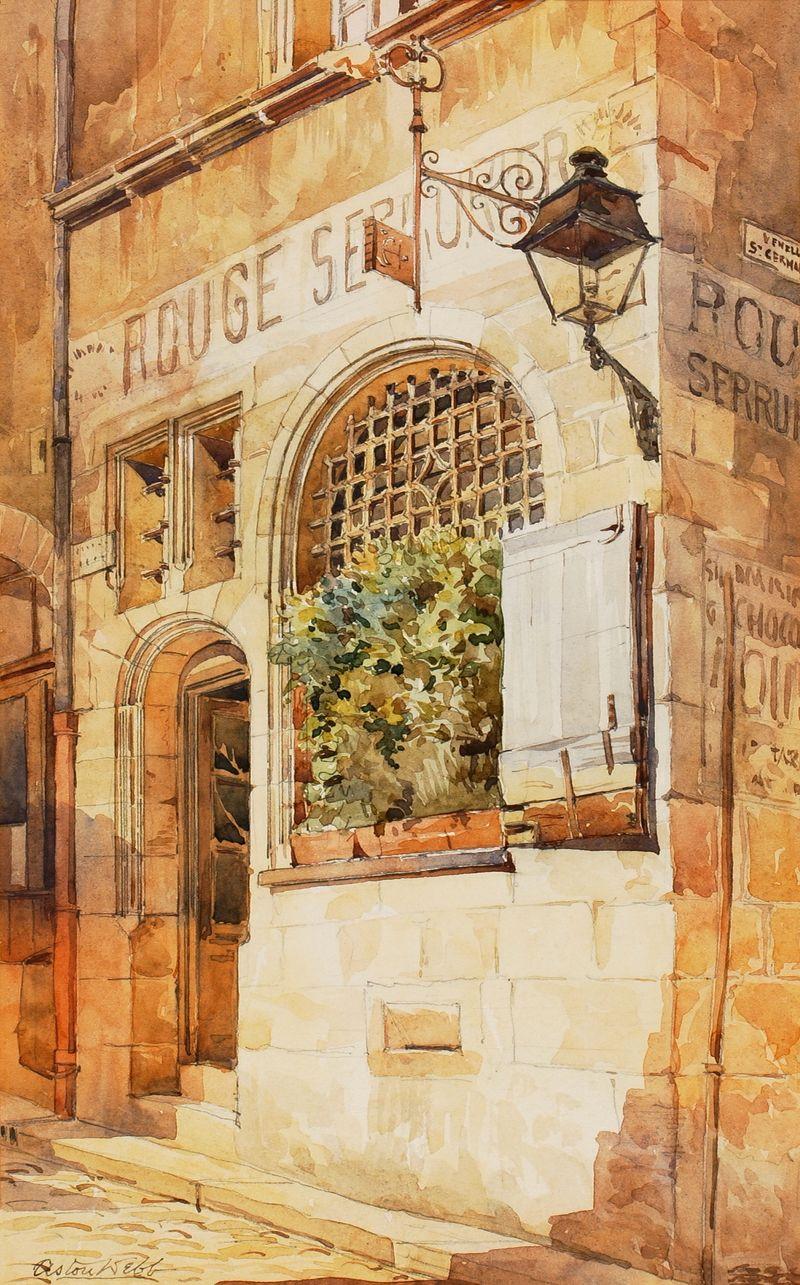
Rouge Seltzer Paris Storefront
Etienne Bethel
 Configure →
Golden Peony Floral Pattern
William Morris
 Configure →
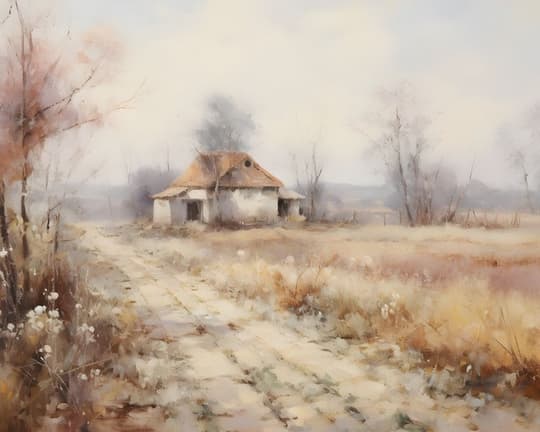
Abandoned House on the Prairie
 Configure →
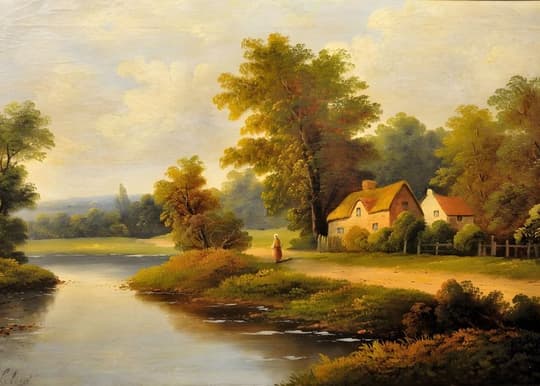
Riverside Cottage in Golden Light
 Configure →
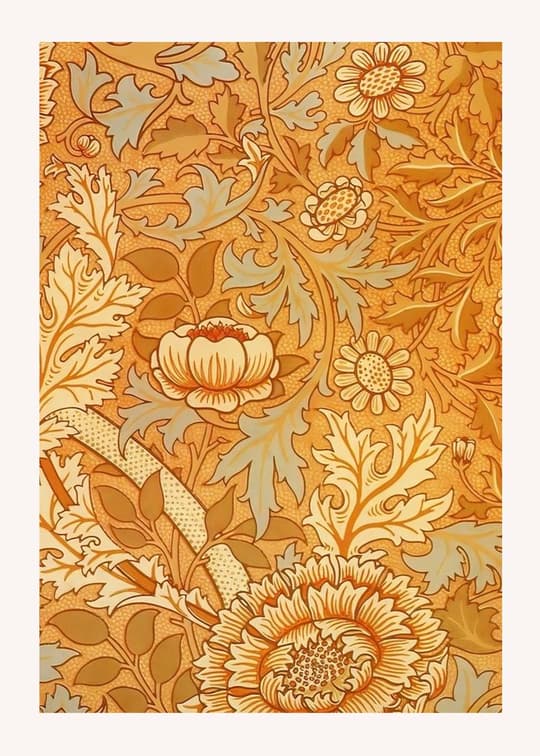
Golden Floral Garden Tapestry
William Morris
 Configure →
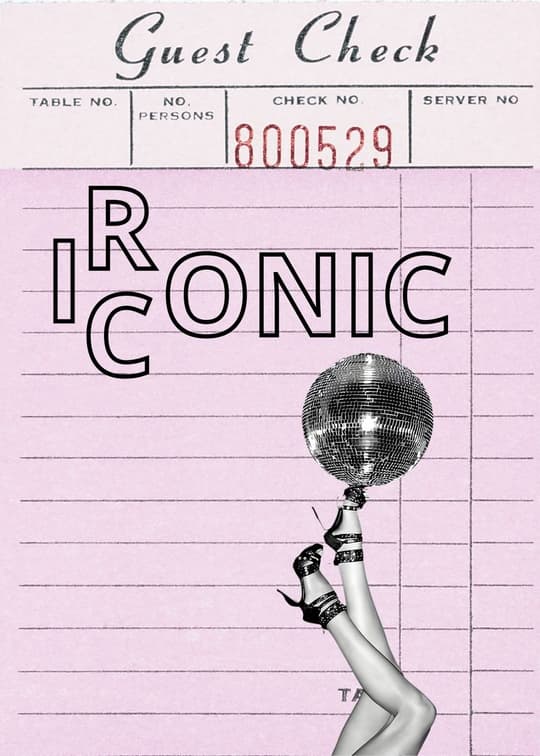
Iconic Disco Ball
 Configure →
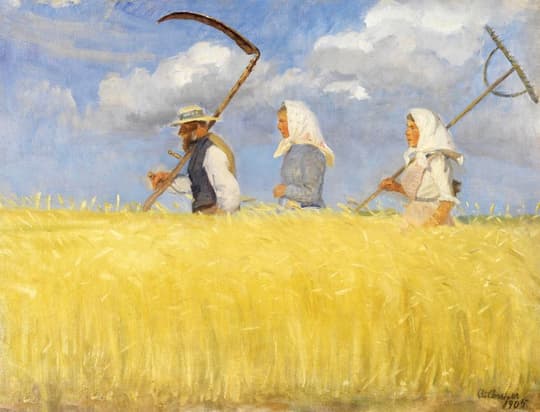
The Harvesters
Akseli Gallen-Kallela
 Configure →
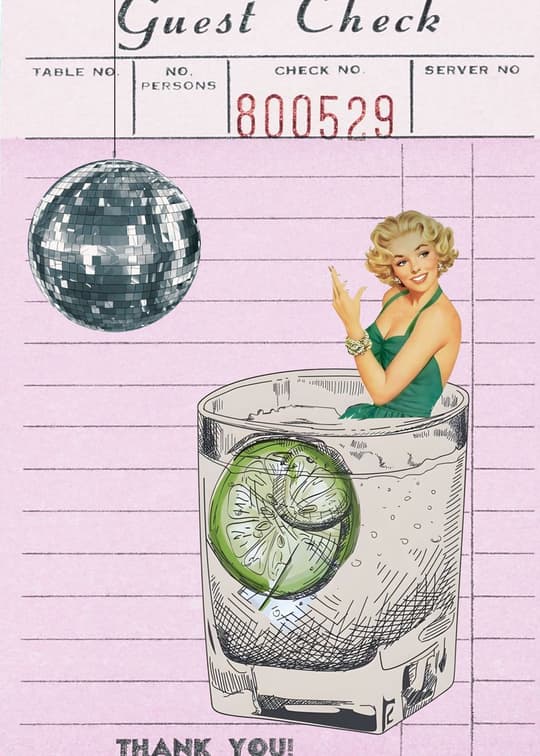
Disco Cocktail Girl
 Configure →
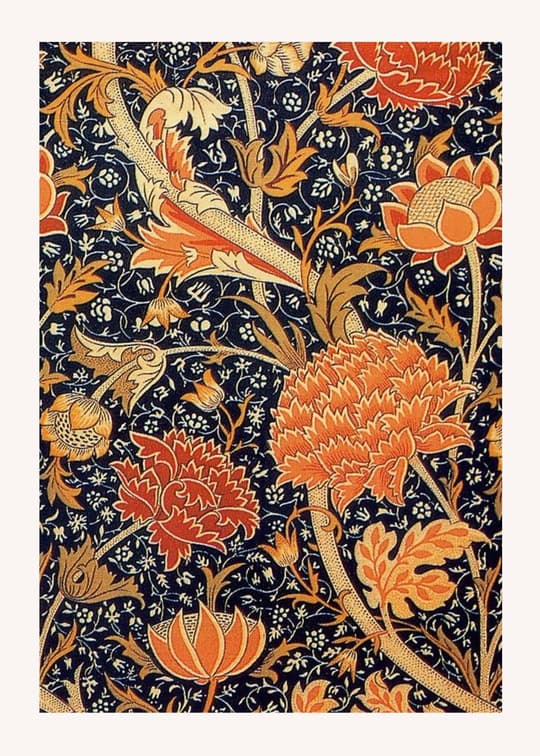
Floral Tapestry with Birds
William Morris
 Configure →
Follow the Call of the Disco Ball
 Configure →
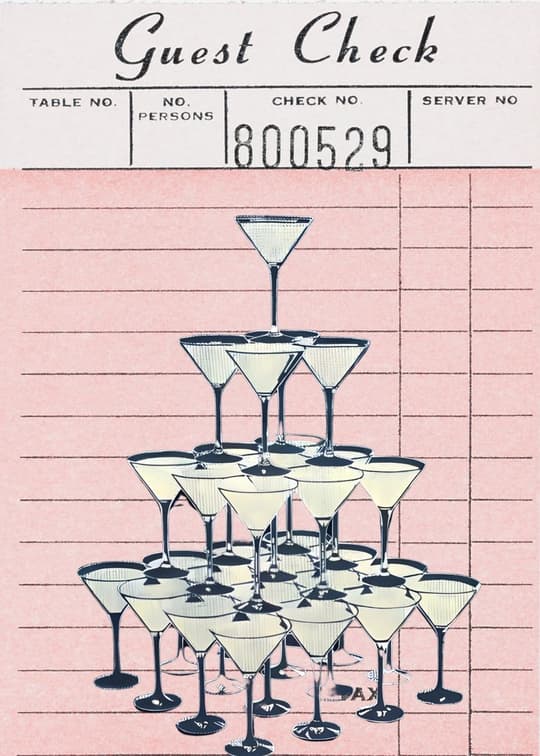
Vintage Champagne Tower Check
 Configure →
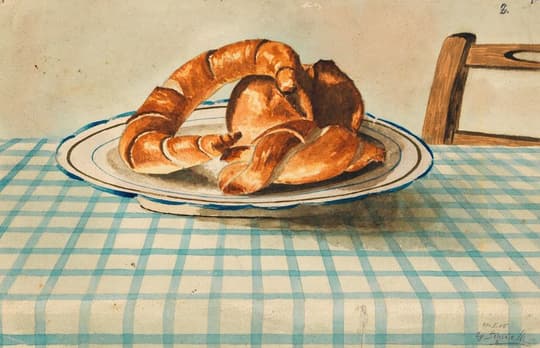
Freshly Baked Bread
 Configure →
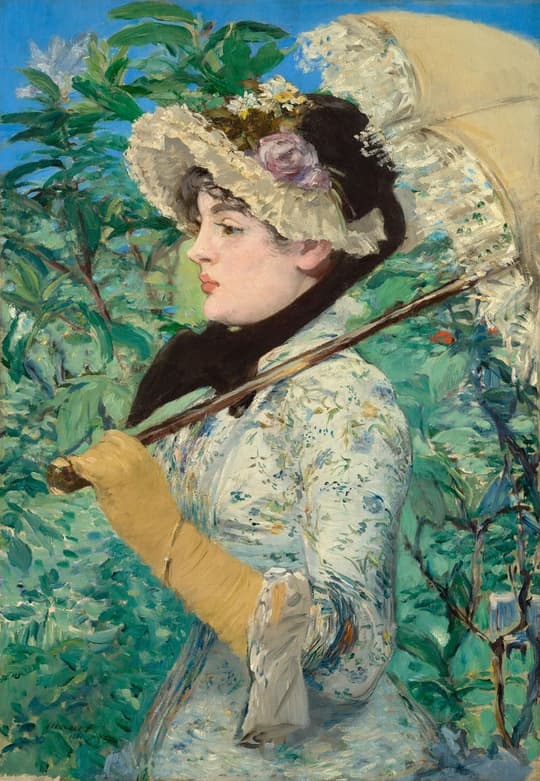
Young Woman in Garden with Parasol
Édouard Manet
 Configure →
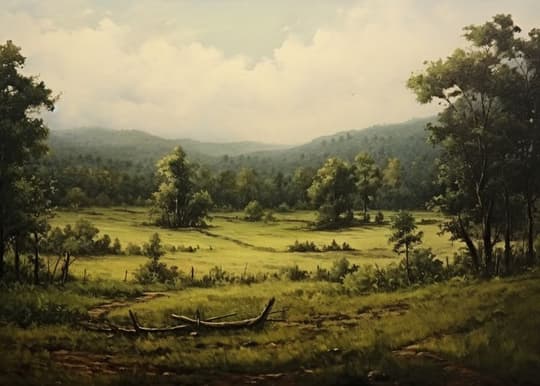
Valley Pastoral Landscape
 Configure →
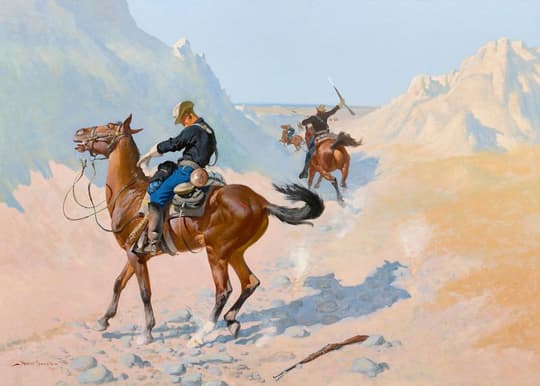
Desert Riders
Frederic Remington
 Configure →
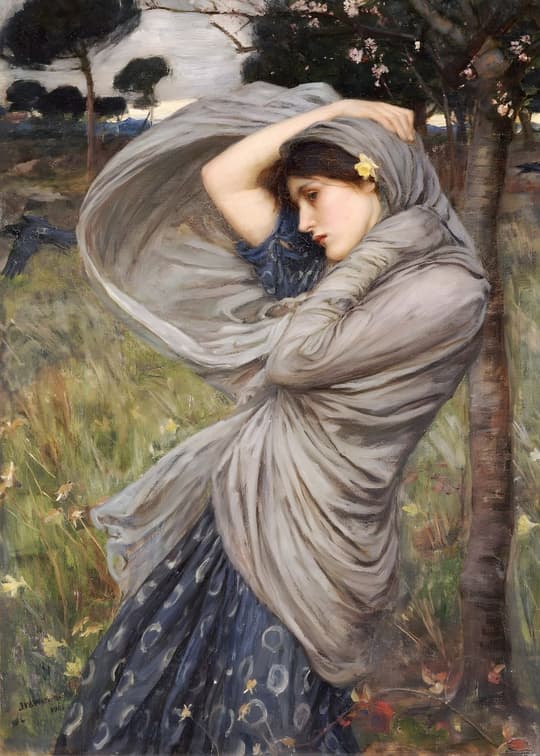
Windblown
John William Waterhouse
 Configure →
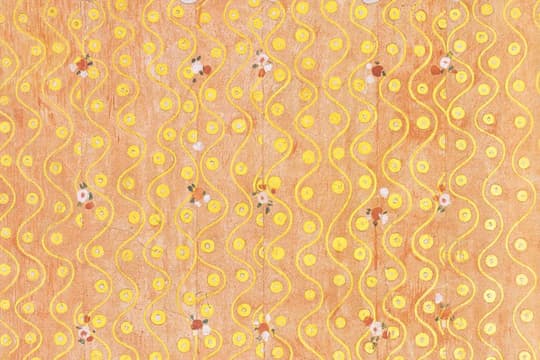
Golden Circles and Floral Dance
 Configure →
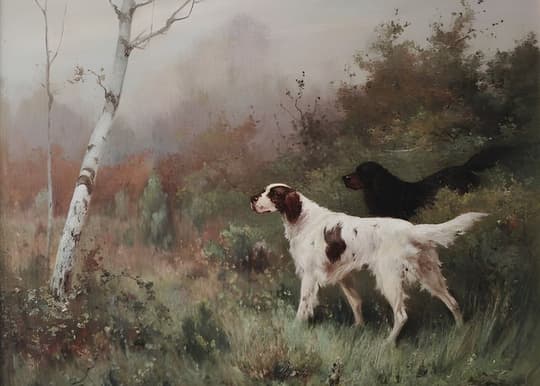
Hunting Dog in Autumn Woods
 Configure →
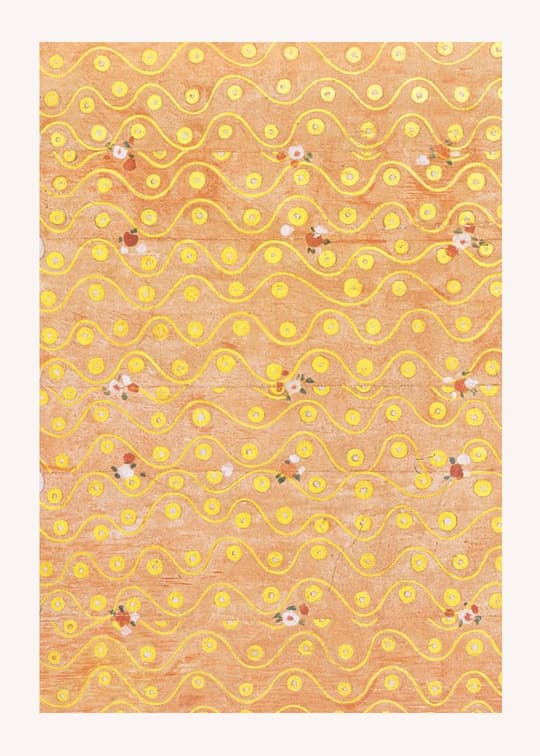
Golden Wavy Circles with Floral Accents
 Configure →
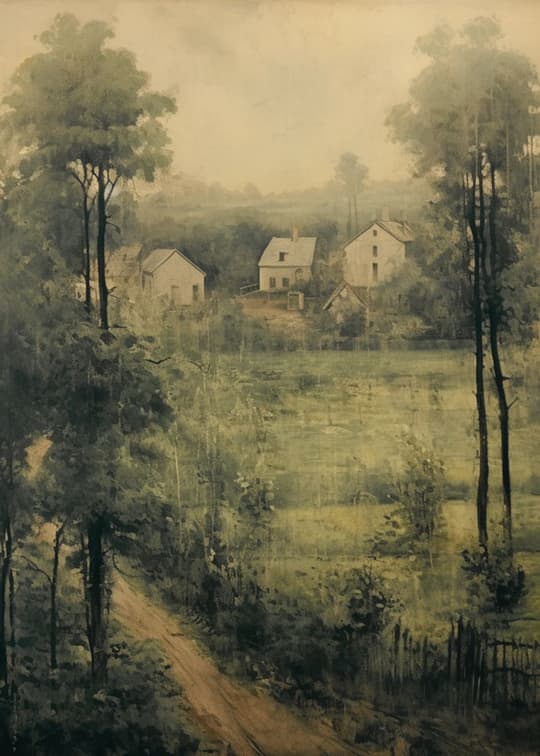
Rural Homestead Valley
 Configure →
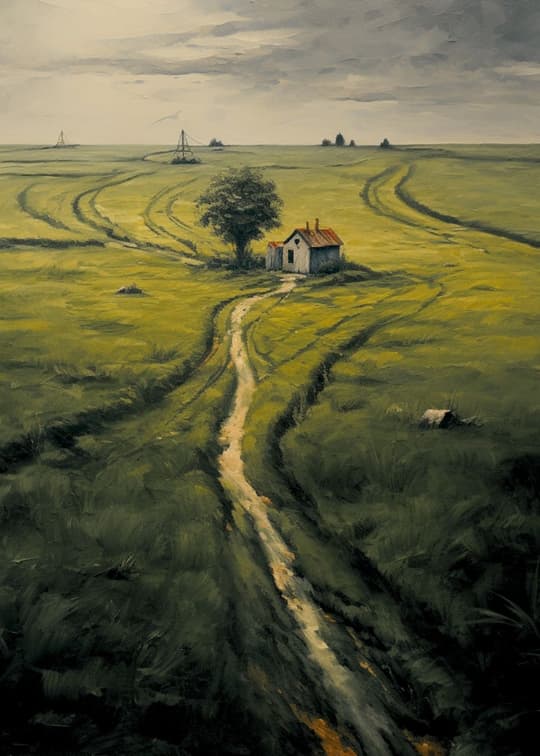
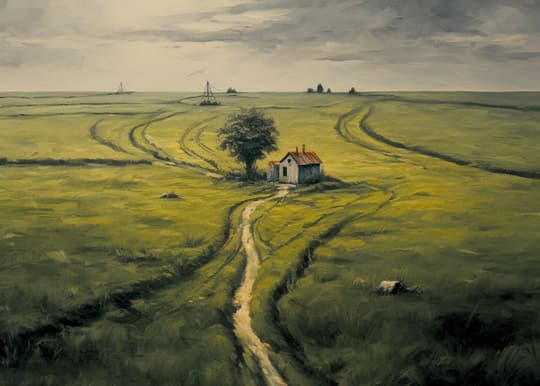
Solitary Farmhouse in Green Fields
 Configure →
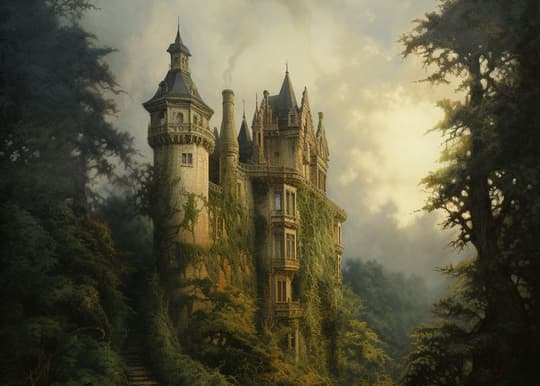
Enchanted Forest Castle
 Configure →
Rural Homestead in Green Fields
 Configure →
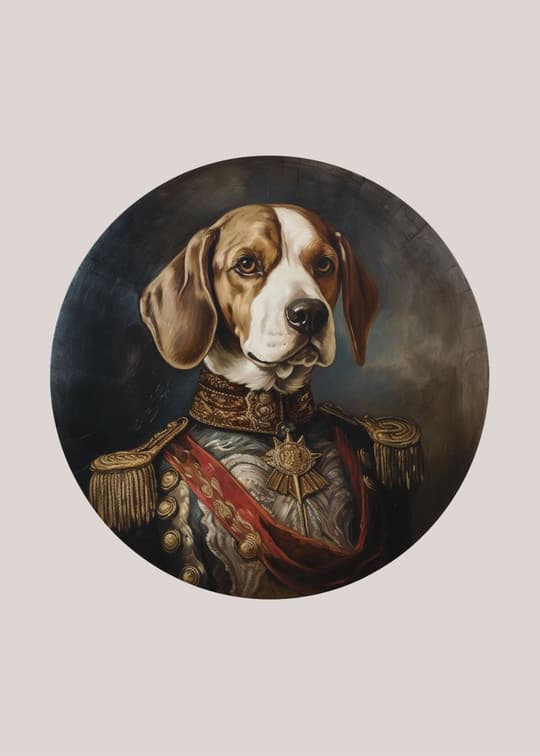
General Beagle
 Configure →
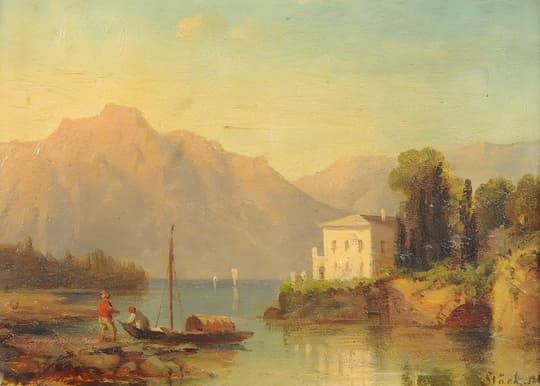
Alpine Lake with Villa
 Configure →
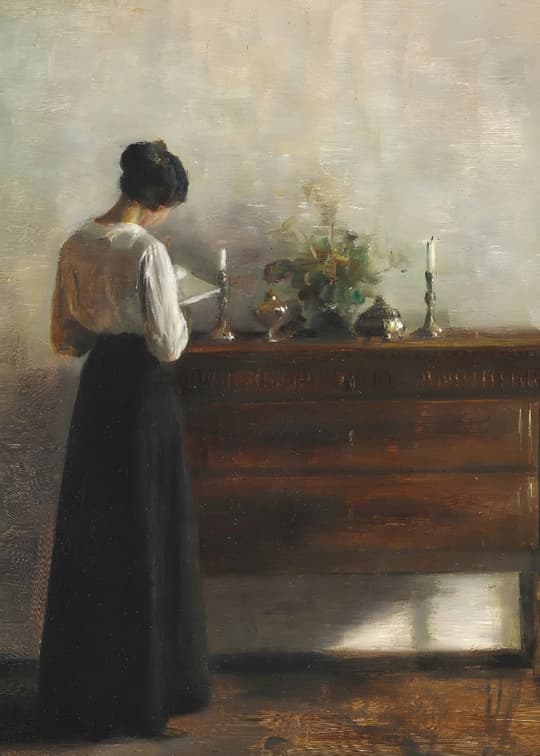
Woman at the Dresser
 Configure →
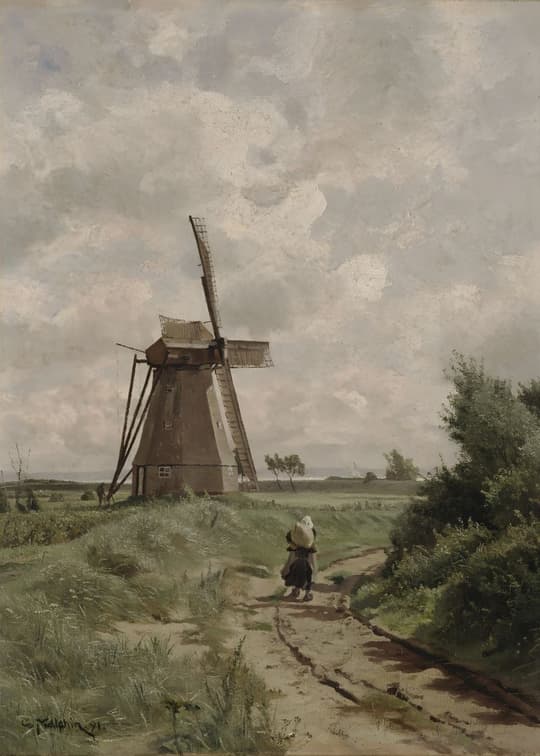
Windmill by the Path
 Configure →
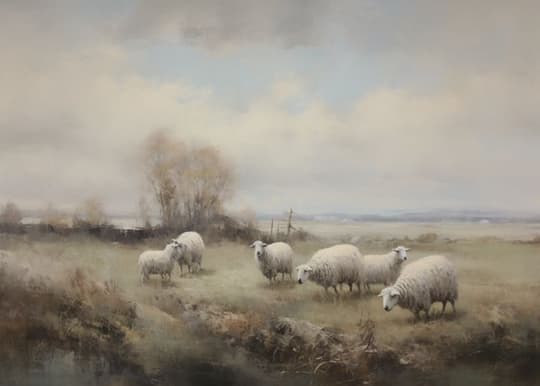
Sheep in Misty Meadow
 Configure →
Floral Damask with Golden Blooms
William Morris
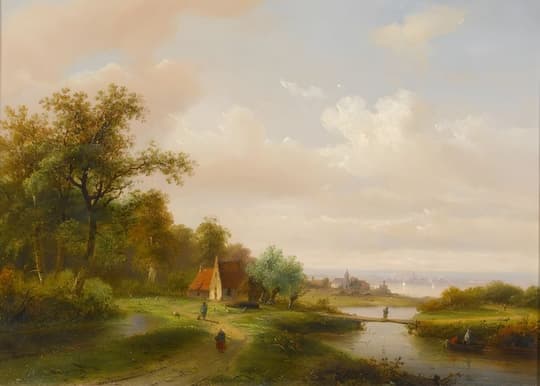 Configure →
Rural Landscape with Red Cottage
 Configure →
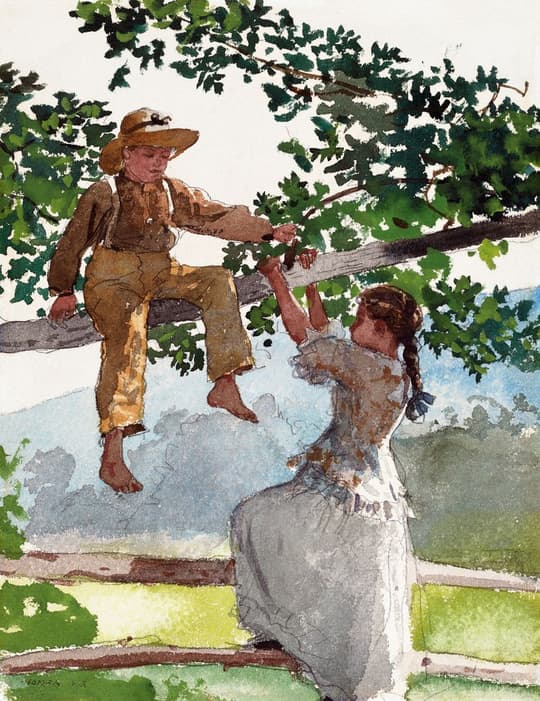
Apple Picking Time
 Configure →
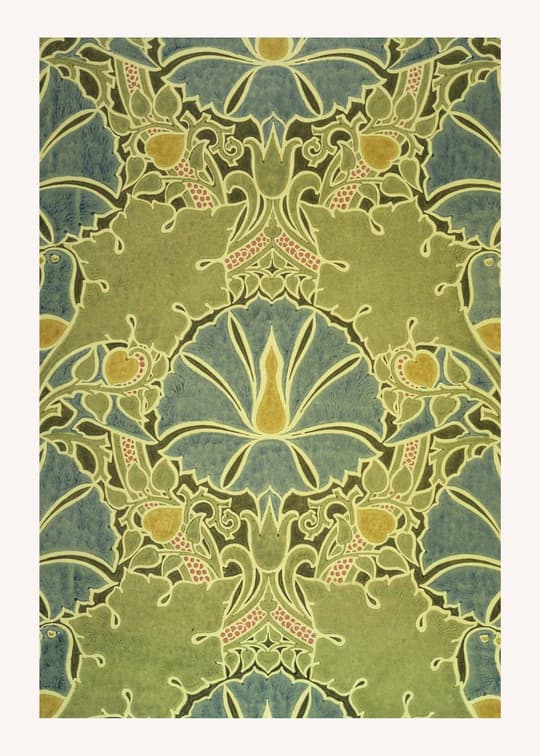
Art Nouveau Botanical Tapestry
William Morris
 Configure →
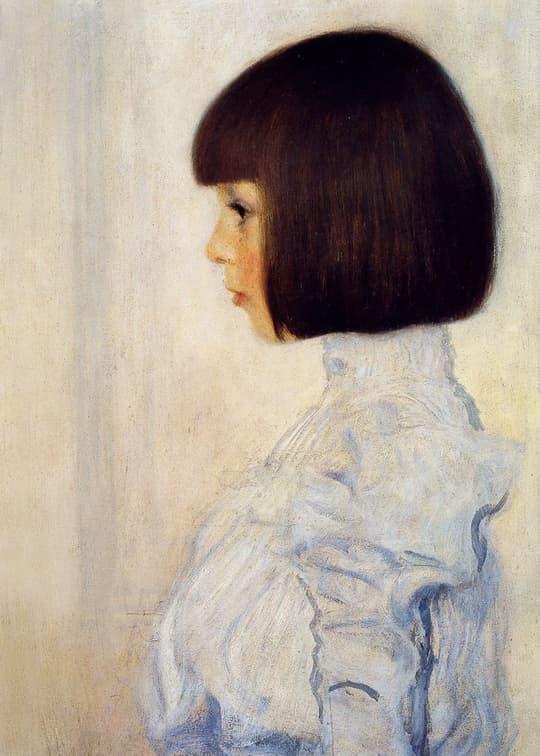
Portrait of a Girl in Profile
 Configure →
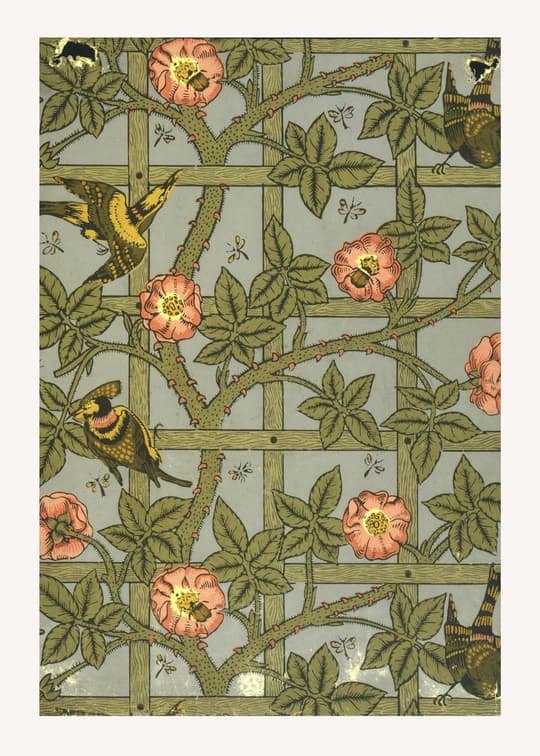
Trellis with Birds and Roses
William Morris
 Configure →
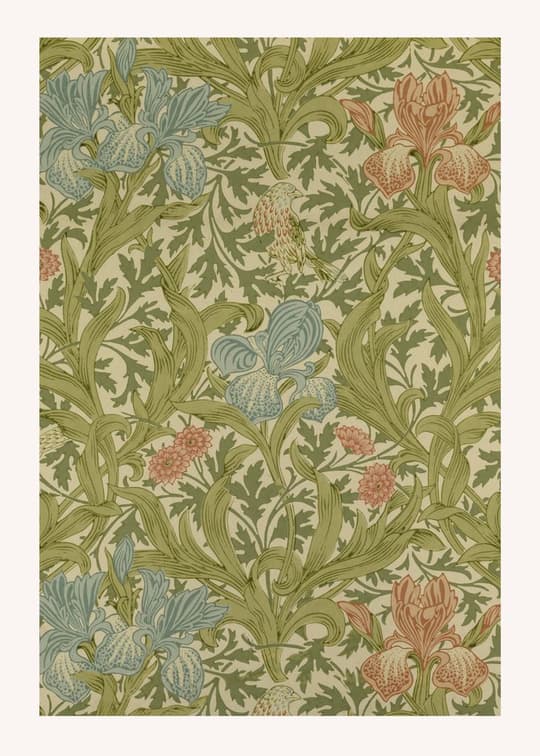
Iris & Oak Leaf Pattern
William Morris
 Configure →
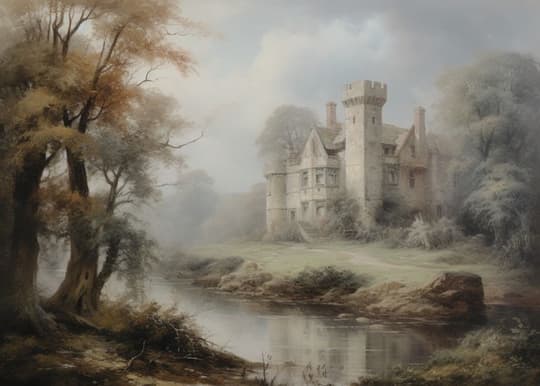
Castle by the Misty Stream
 Configure →
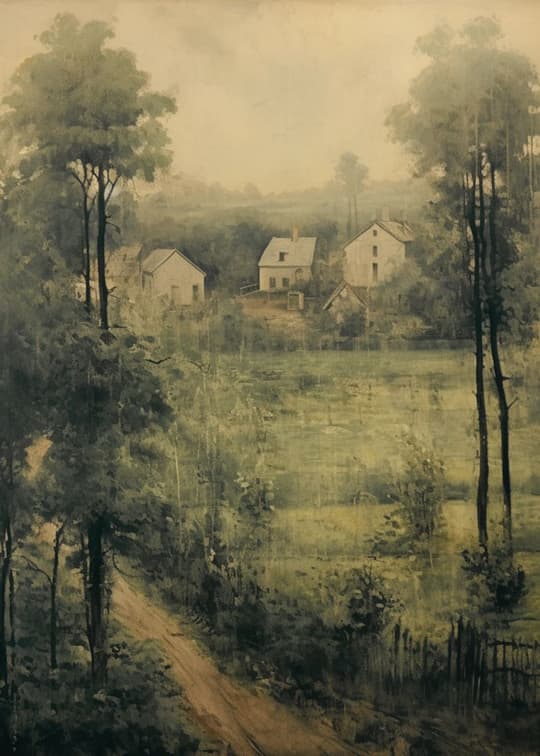
Rural Homestead in Mist
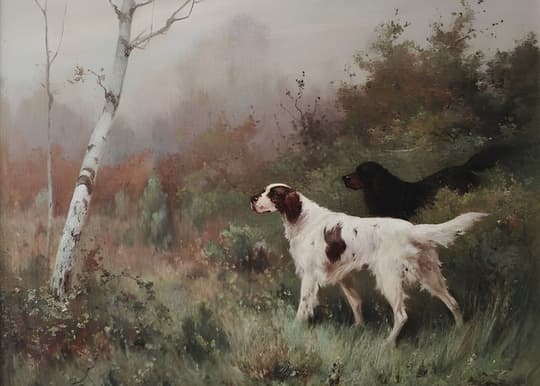 Configure →
Hunting Dog in Autumn Forest
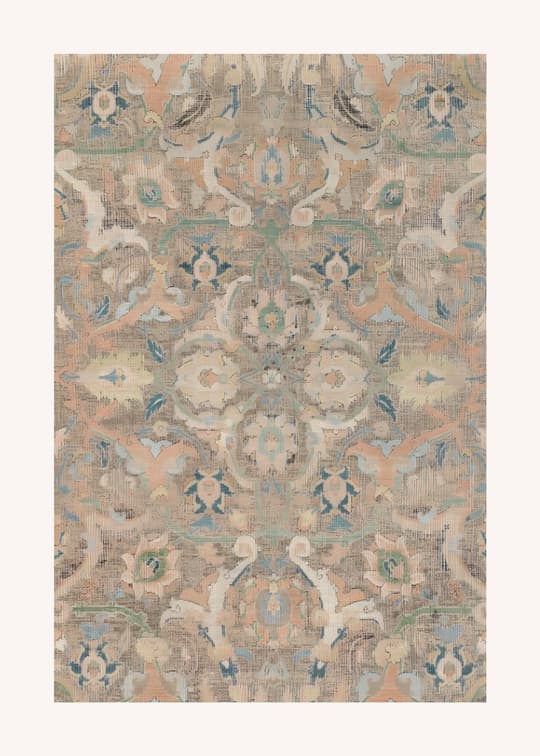 Configure →
Vintage Persian Damask Textile
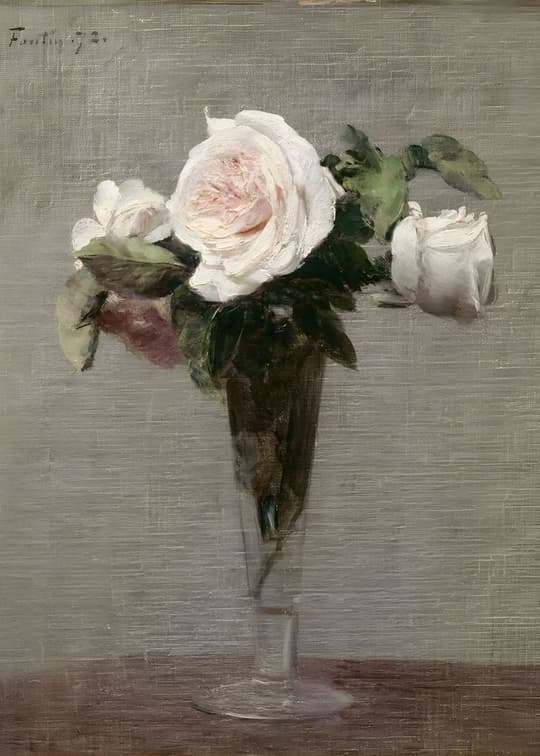 Configure →
White Roses in Glass Vase
Fantin-Latour
 Configure →
Autumn Harvest & Knowledge
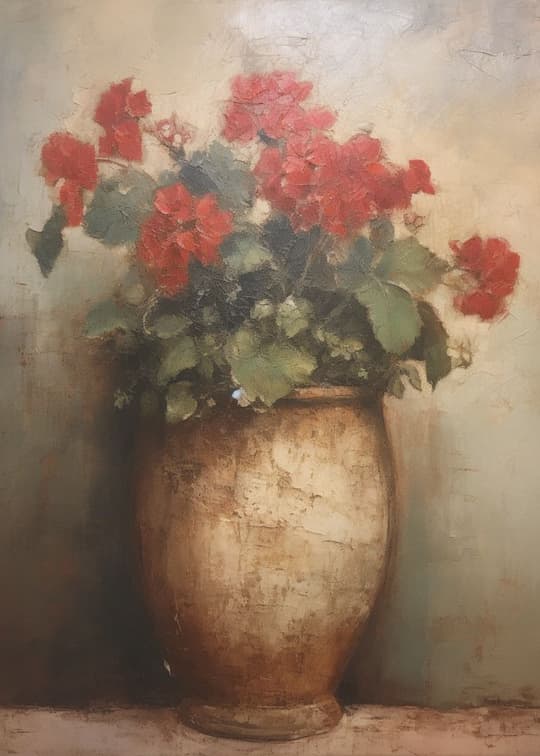 Configure →
Red Geraniums in Terracotta
 Configure →
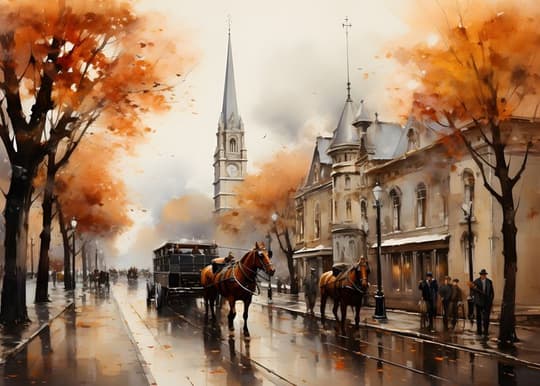
Autumn Street with Cathedral
The YourCover Difference
Gallery walls, without the gallery markup.
Museum-quality printing
Archival inks on canvas, acrylic, metal, or fine-art paper — colour-matched to the original.
Made to order for you
Nothing sits in a warehouse. Every piece is printed and finished the day it's ordered.
Preview before you buy
See the exact size, frame, and finish on your wall in real time — no guesswork.
Happiness guaranteed
If a piece doesn't land the way you hoped, we'll make it right — no fuss.
On this collection
Timeless charm, rich character, and art with a story to tell.
Categories of Archival Art
The appeal of vintage wall art lies in its original utilitarian purpose; most of these pieces were not designed as "art" but as commercial communication. Travel posters from the 1920s and 30s utilized bold, flat colors and Art Deco geometry to romanticize train and air travel. Patent prints, originally submitted to the government, offer stark, blueprint-style line drawings of iconic inventions. Exhibition posters, particularly those from European galleries in the 50s and 60s, blend fine art with striking mid-century typography. Because these prints were originally mass-produced using chromolithography or early offset printing, reproductions often preserve the charming imperfections of the era, including visible halftone dots, slight off-register colors, and the digital ghost of the original paper's age and texture.
Achieving an Eclectic Interior
Vintage art thrives in contrast. Placing a 1930s Campari advertisement in a highly modern, minimalist kitchen creates dynamic tension. Conversely, hanging a collection of sepia-toned archival photographs in a traditional study reinforces a classic, academic atmosphere. When framing vintage prints, avoid making them look like pristine, modern photographs. Opt for paper rather than glossy acrylic or metal. A textured, matte paper paired with a warm wood or distressed metallic frame respects the age of the original piece. If styling a gallery wall, vintage art is the perfect anchor; mix an oversized retro poster with smaller contemporary pieces, mirrors, or sconces to create an organic, curated look that feels gathered across decades rather than purchased in an afternoon.
Creating a Collected Look
The most welcoming homes usually look like they were put together slowly over time, piece by piece. Vintage prints are a wonderful shortcut to getting that layered, cozy feel. They look absolutely beautiful next to modern furniture, keeping a room from feeling too much like a showroom. Mixing a classic vintage landscape with a contemporary piece creates that personal, eclectic look that makes a house feel like a home.
How your print is made
From archive to wall
Digital remastering included
- 01
Source
Each piece comes from a high-resolution museum or curated archive — the kind of original-quality source you'd otherwise only find at the Met or a specialized print dealer.
- 02
Remaster
Before we print, every image is digitally cleaned: scan borders trimmed, color profile adjusted to the chosen medium, resolution matched to your selected size. No museum-scan artifacts make it onto your wall.
- 03
Print
Pigment inks on archival material in our LA studio. Quality-checked, packaged flat or rolled depending on size, shipped ready to hang within 5–7 business days.
Same art, your surface
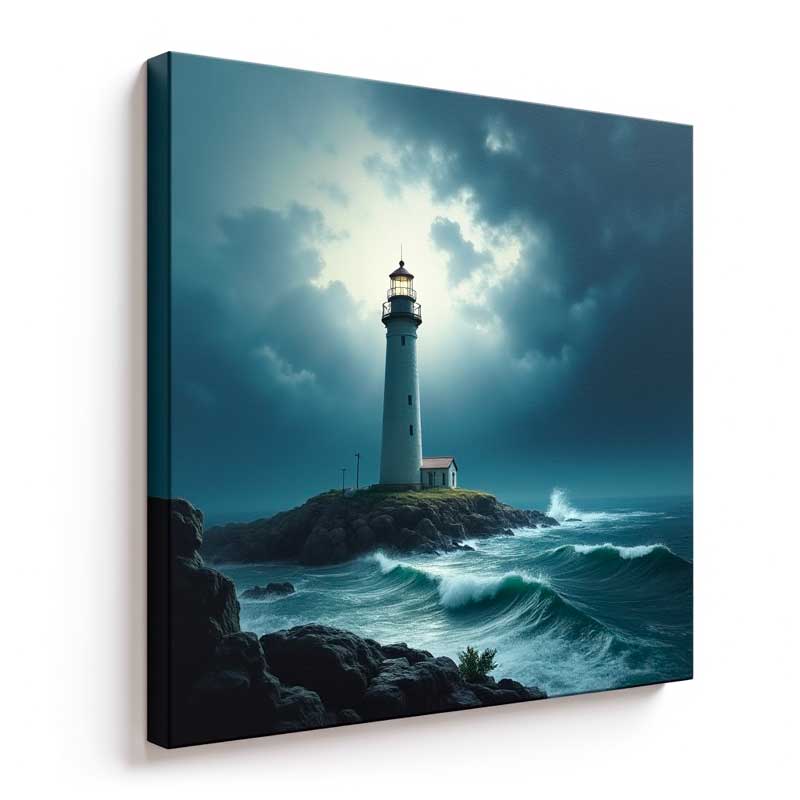
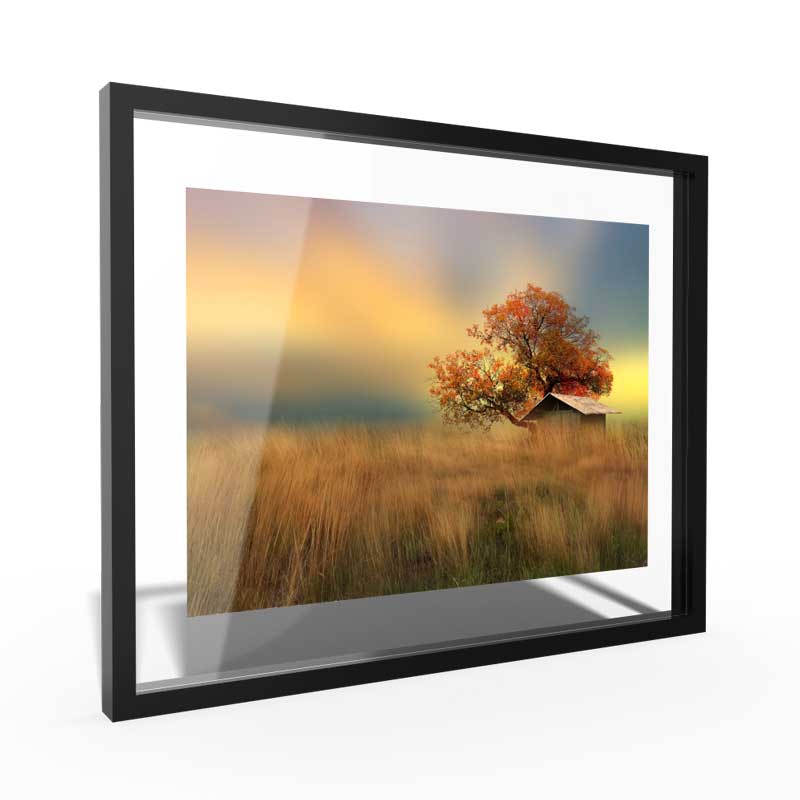
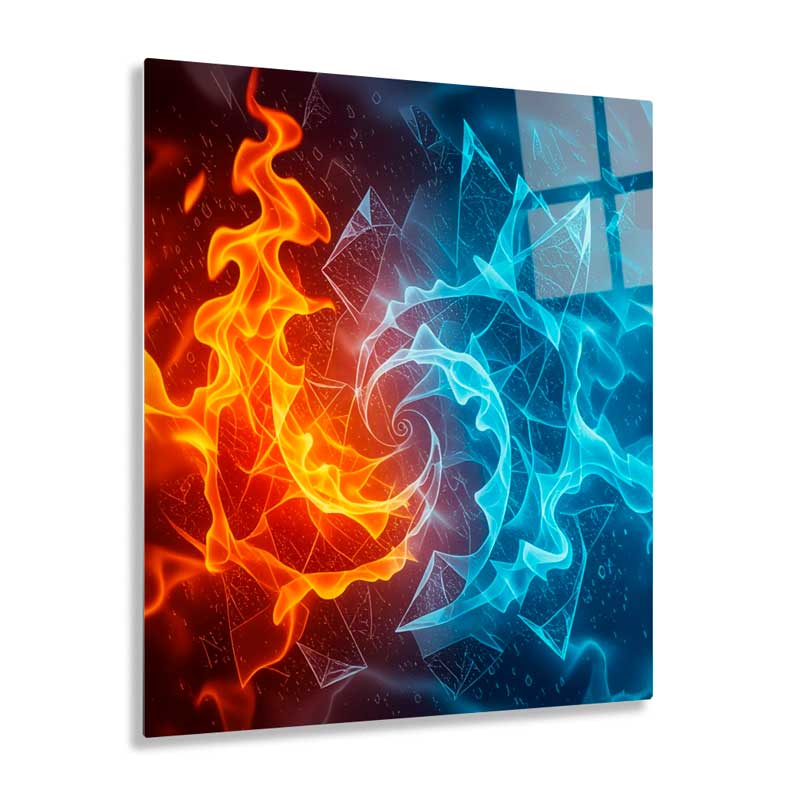
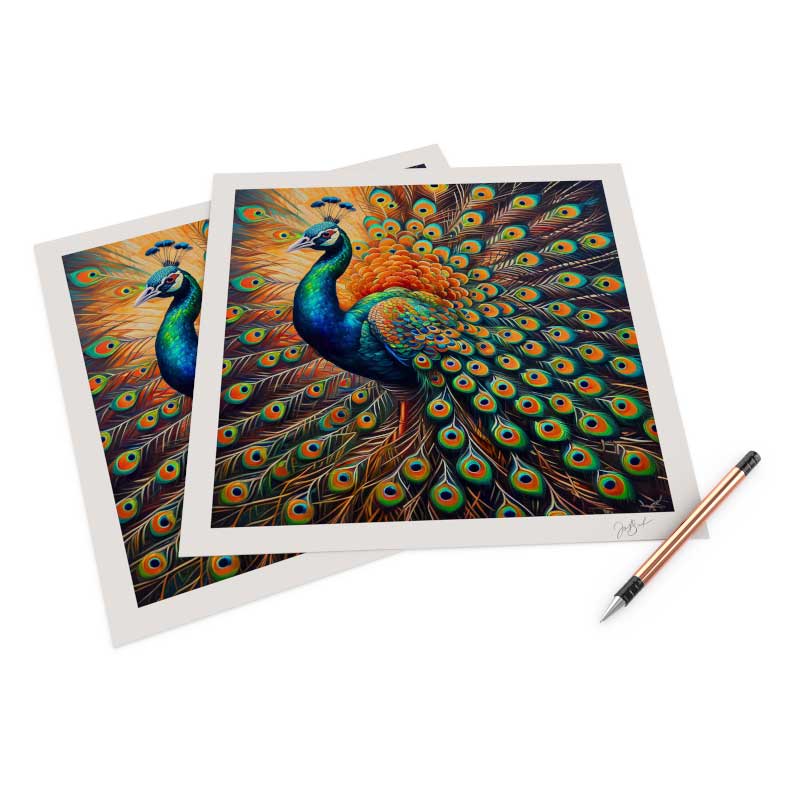
Vintage on every medium
Keep exploring
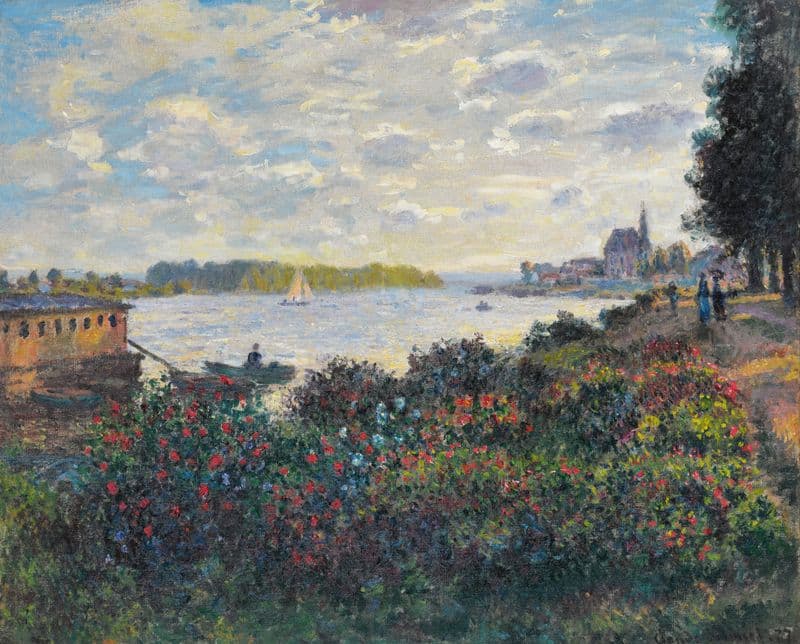
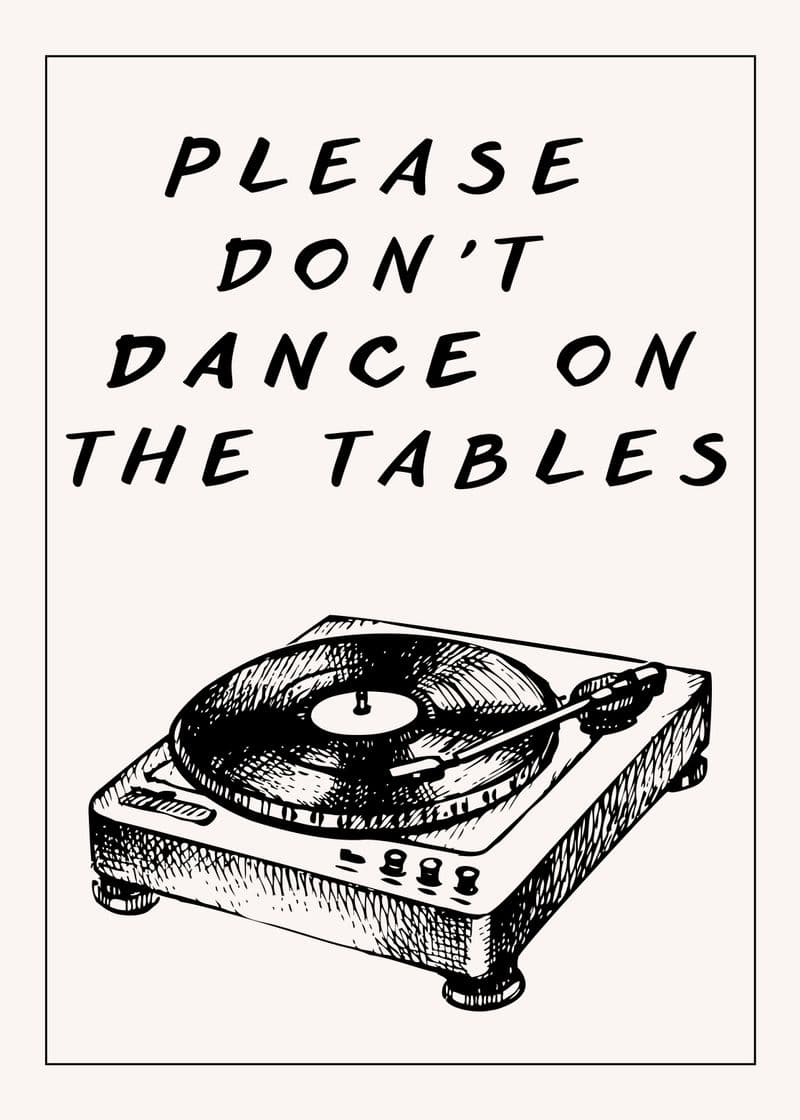
If you like Vintage, you'll like…
Buy with confidence
Sizing & hanging guide
- 1
Measure your wall
Width and height of the open space, edge to edge.
- 2
Take 2/3 of it
Art should fill about two-thirds of the available width.
- 3
Match the orientation
Tall walls take portrait; wide walls take landscape.
- Hang centre at 57–60" from the floor — eye level.
- Leave 3–6" between a frame and furniture below it.
- For a group, treat the cluster as one shape.
- Bigger reads as more expensive; don't under-size.
FAQ
Frequently asked
No, these are high-resolution, museum-quality reproductions of original vintage posters, advertisements, and archives. They are printed on demand using modern archival inks to ensure they will not degrade or flake over time like fragile antique paper, while still displaying the historical character of the original.
Authentic vintage prints often show signs of their age and the printing technology of their era. Our reproductions capture the exact state of the archival original. The visible paper grain, slight fading, and lithographic dot-patterns are intentionally left intact to preserve the historical integrity and charm of the piece.
Yes. While vintage posters were originally printed on paper, printing them on canvas offers a unique, durable alternative. Canvas adds a subtle woven texture that softens the sharp graphics of vintage typography and eliminates the need for glass, making it ideal for high-glare rooms.
Mid-century modern art spans roughly from the mid-1940s to the late 1960s. Visually, it is defined by atomic-age geometry, kidney-bean shapes, organic abstraction, and distinct color palettes (such as mustard yellow, teal, and burnt orange). It lacks the ornate decoration of earlier eras, favoring clean lines and bold, graphic layouts.
A matte or textured fine art paper is absolutely perfect, as it feels just like an original drawing or an old lithograph. Canvas is also a fantastic choice for reproducing vintage oil paintings.
Yes, and it’s easier than you think! Try using a sleek, modern frame for a classic vintage print. It acts as a bridge, helping the older artwork fit right in with your contemporary furniture.
It usually comes down to the colors—think soft, faded tones like sepia, muted greens, and warm ochres—along with historical subjects and textures that remind us of older painting or printing techniques.