
Topic
Botanical Wall Art
Bring the outdoors inside with beautiful, nature-inspired pieces.
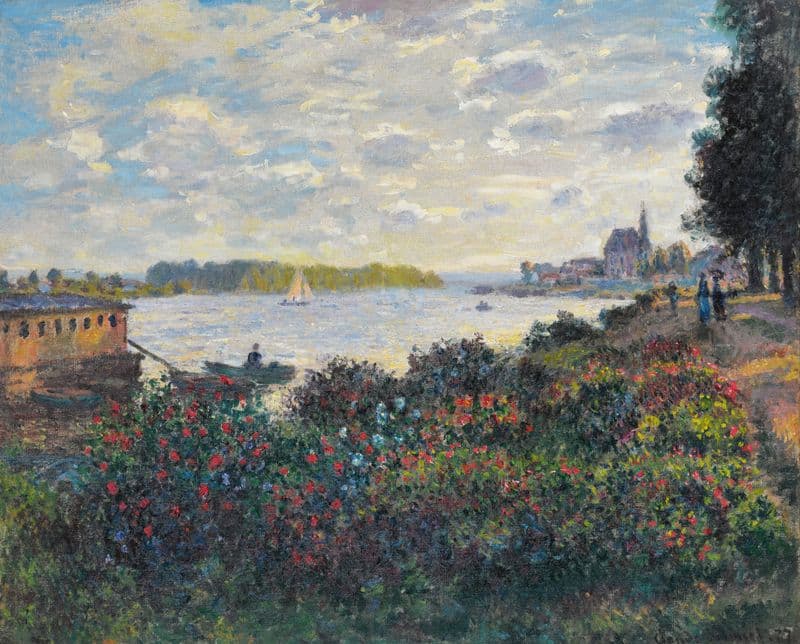
Botanical wall art is such a wonderful way to bring a little bit of the outdoors inside. From sweet, quiet vintage illustrations of wildflowers to huge, colorful paintings of lush gardens, adding some plant life to your walls always feels good.…
By the numbers
- Works
- 1,203
- Mediums
- 4
- Artists
- 31
1,203 Botanical works
 Configure →
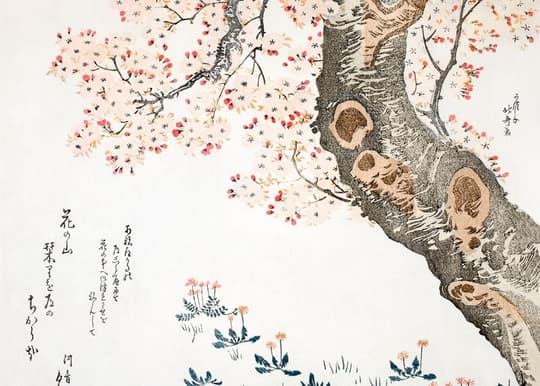
Cherry Blossom Tree with Spring Flowers
Katsushika Hokusai
 Configure →
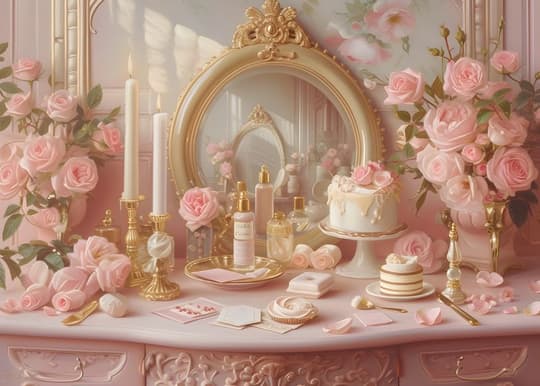
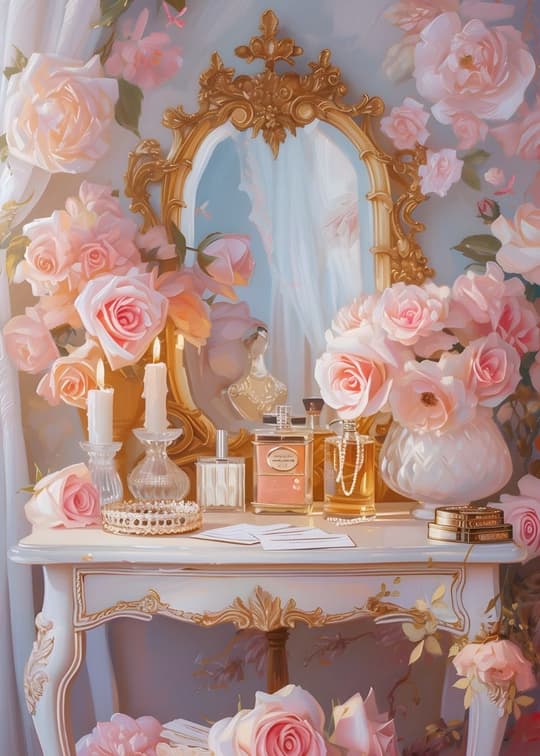
Luxe Vanity with Pink Roses
 Configure →
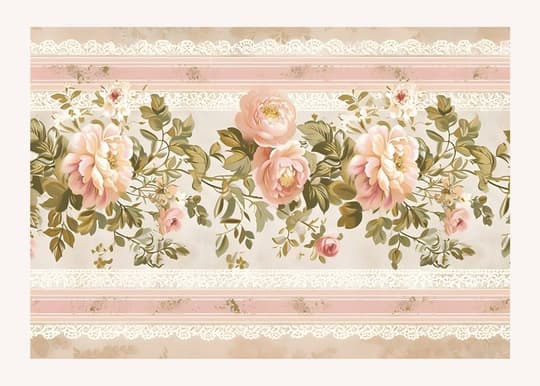
Vintage Floral Border
 Configure →
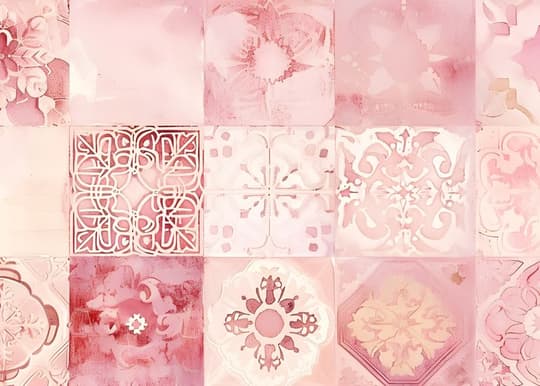
Vintage Tile Collection
 Configure →
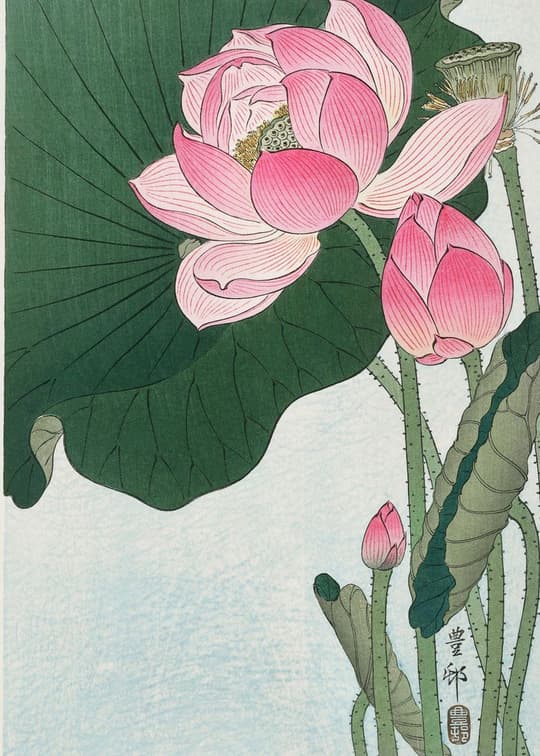
Lotus Blossoms
Kano Hogai
 Configure →
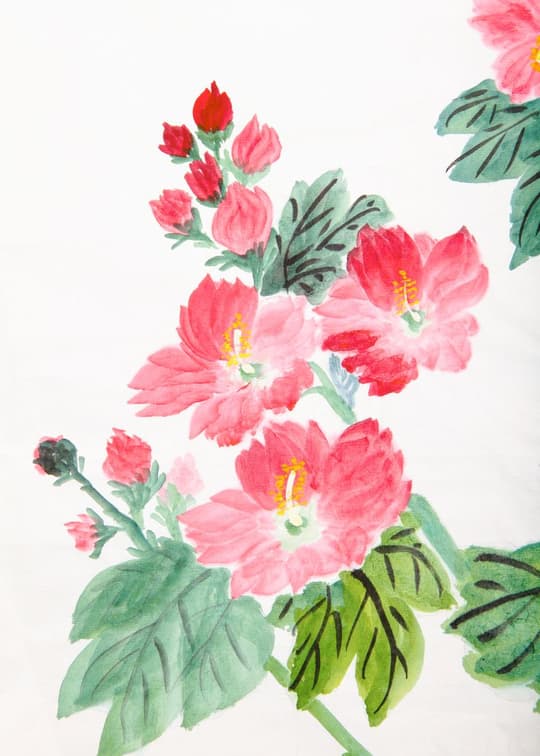
Pink Flowering Branch
 Configure →
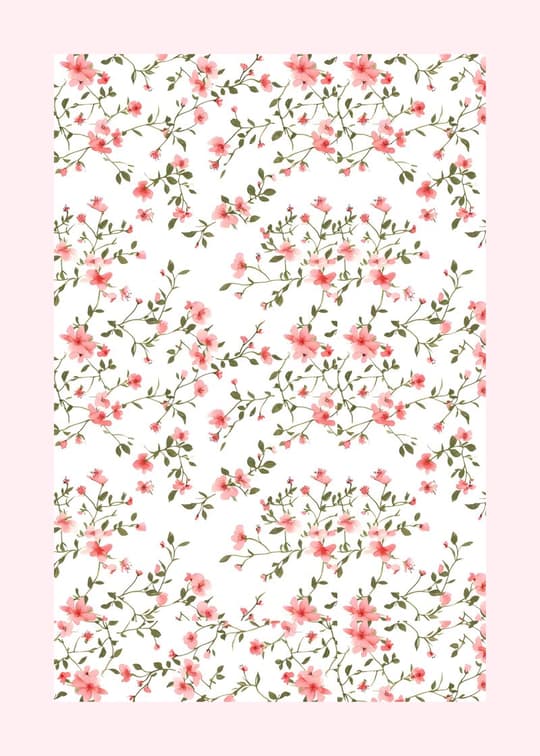
Delicate Floral Branches
 Configure →
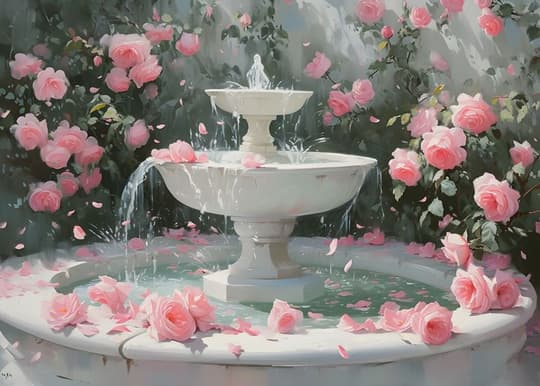
Garden Fountain with Pink Roses
 Configure →
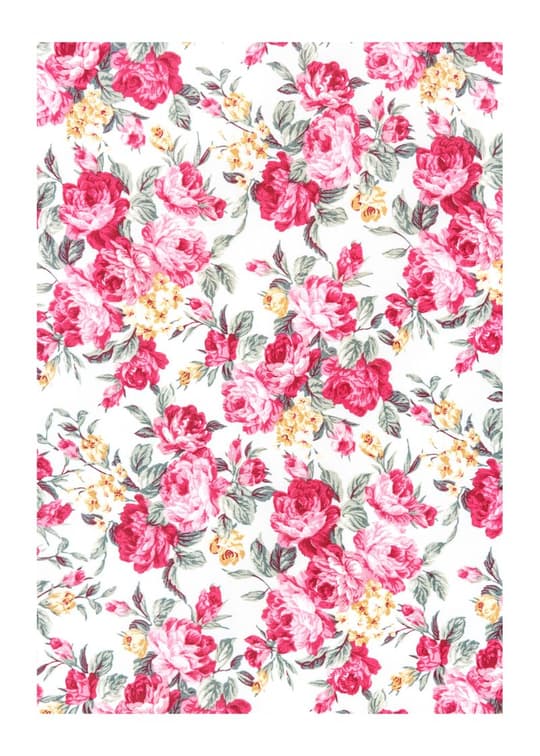
Pink Peony Garden
 Configure →
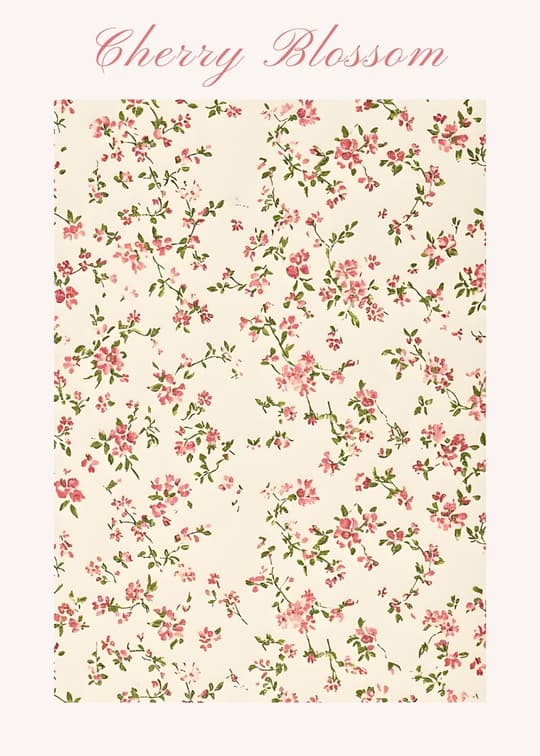
Cherry Blossom
 Configure →
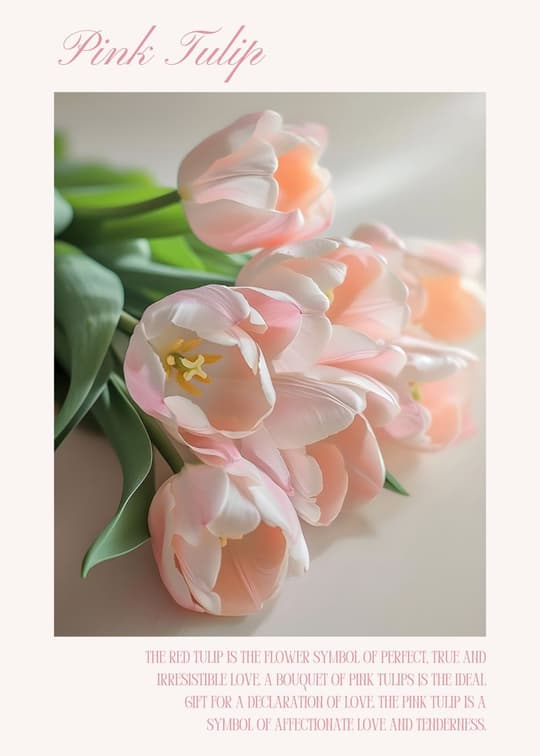
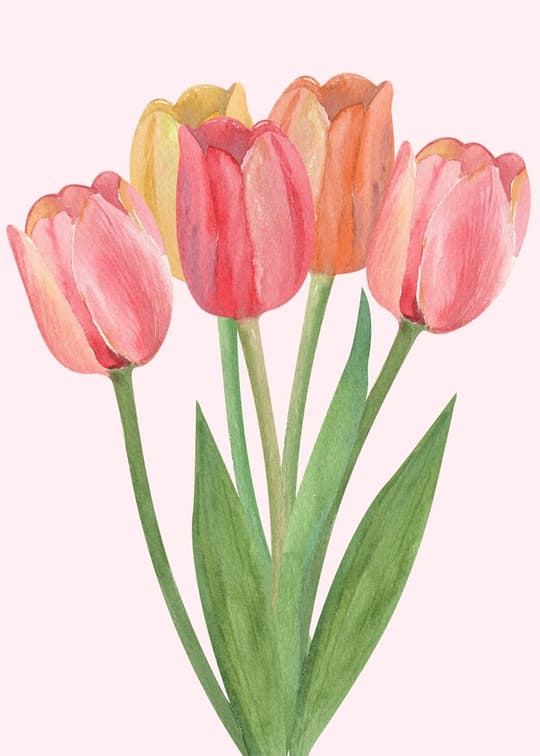
Pink Tulip
 Configure →
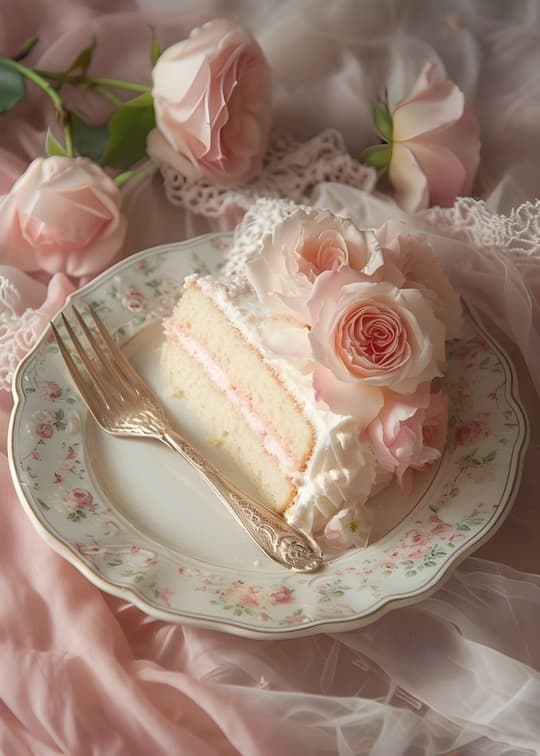
Tulip Bouquet
 Configure →
Vintage Tea and Roses
 Configure →
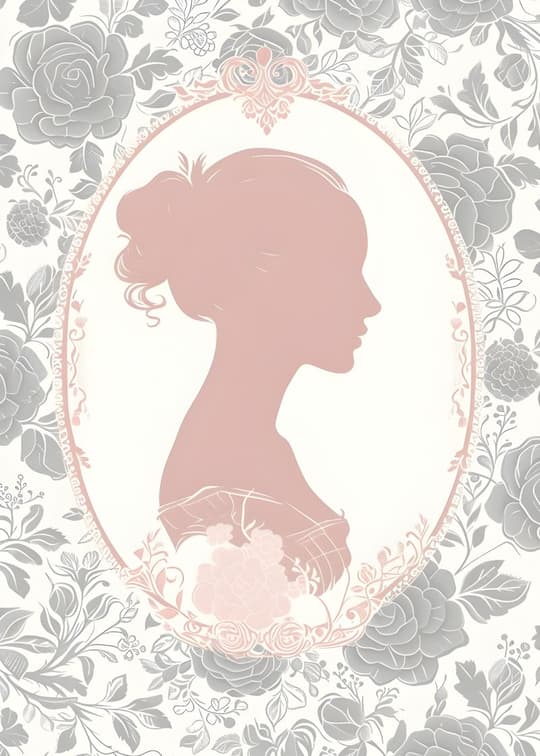
Swans and Petals
 Configure →
Vintage Botanical Silhouette
 Configure →
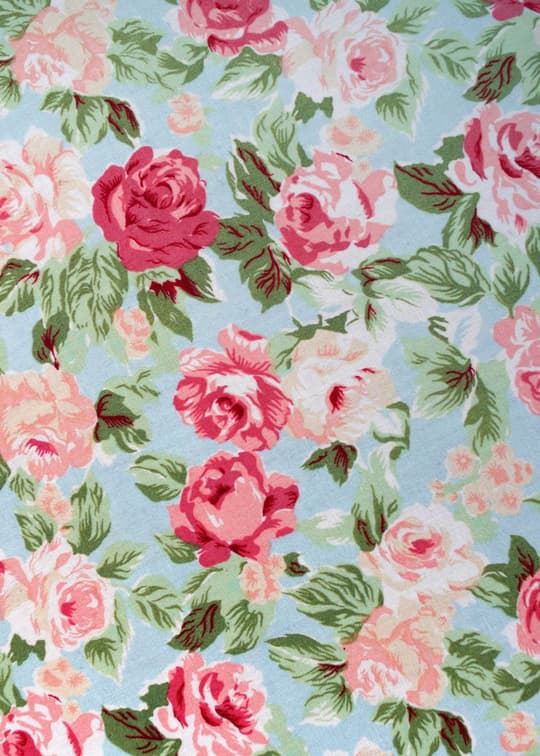
Love & Beauty
 Configure →
Pink Roses on Blue
 Configure →
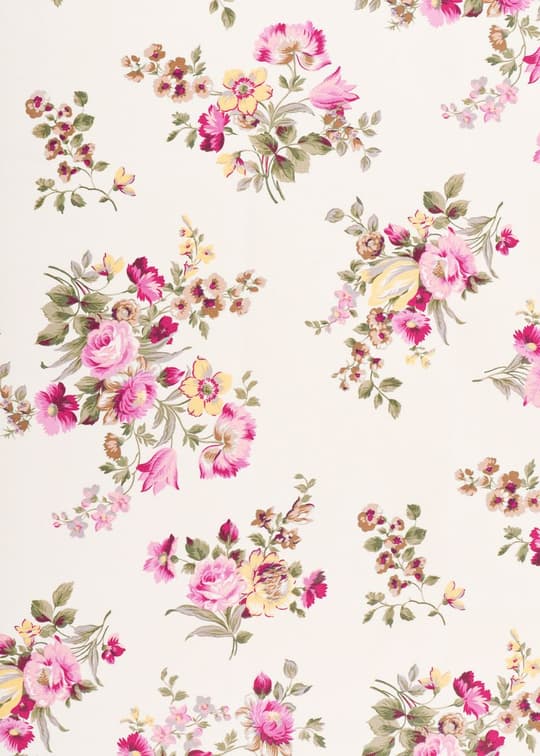
Scattered Floral Garden
 Configure →
Gilded Mirror Vanity with Roses
 Configure →
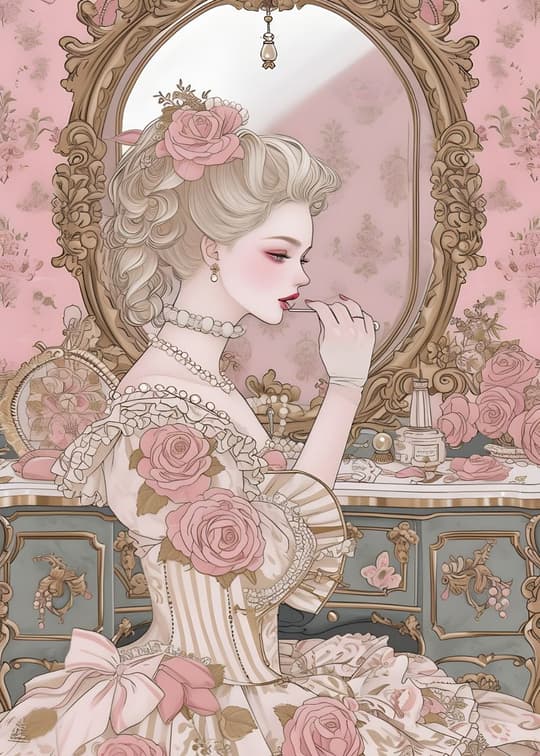
Rococo Mirror Beauty
 Configure →
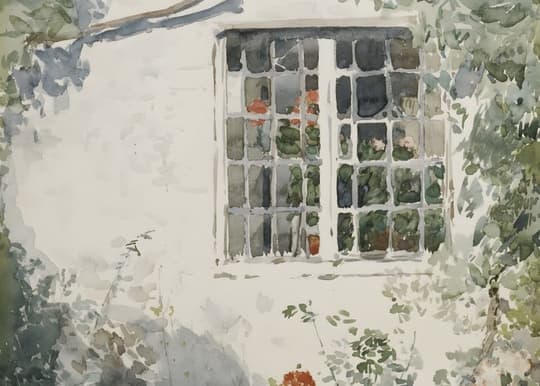
Garden Window with Climbing Vines
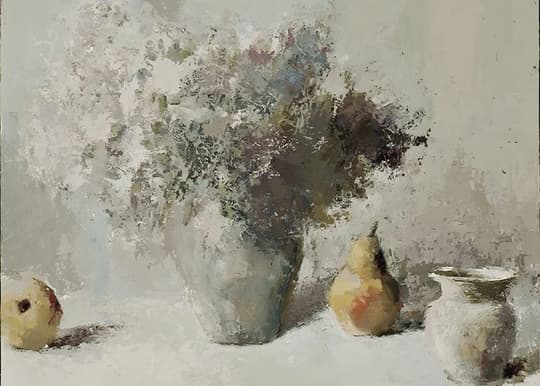 Configure →
Still Life with Pears and Foliage
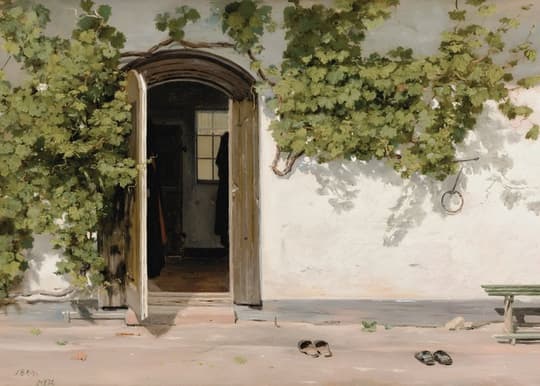 Configure →
Ivy-Draped Doorway
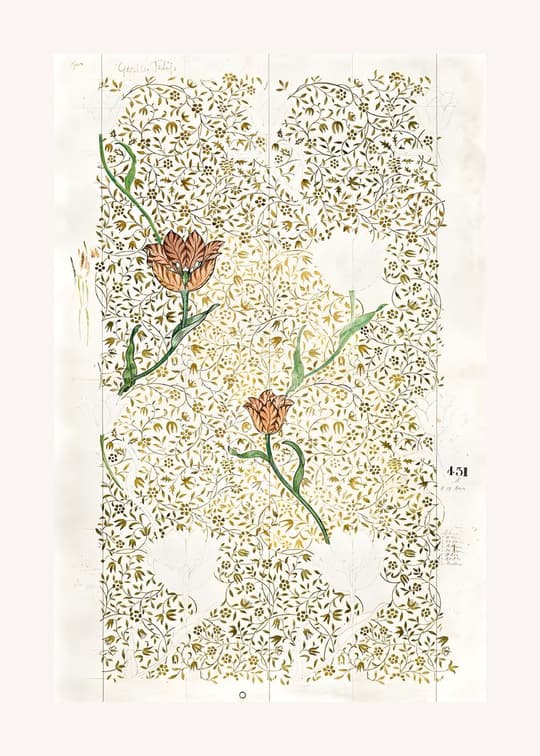 Configure →
Floral Wallpaper Design with Tulips
William Morris
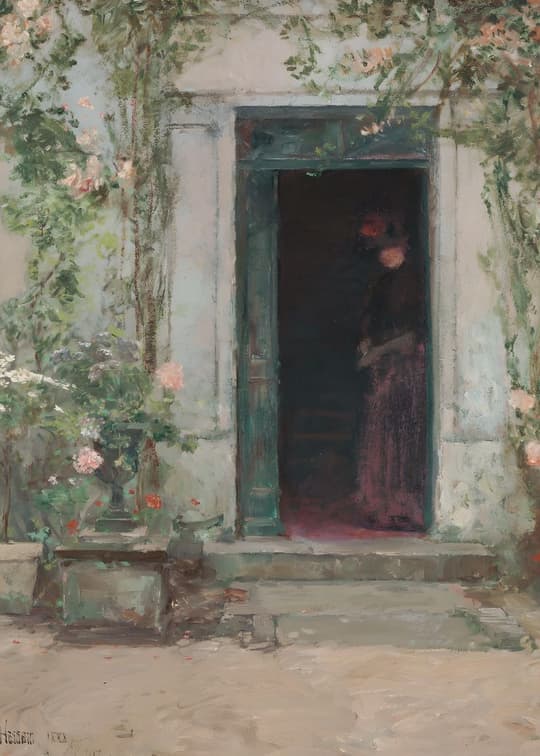 Configure →
Cottage Door with Climbing Vines
Childe Hassam
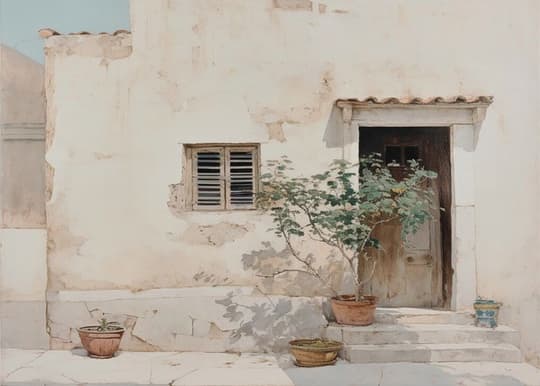 Configure →
Mediterranean Courtyard
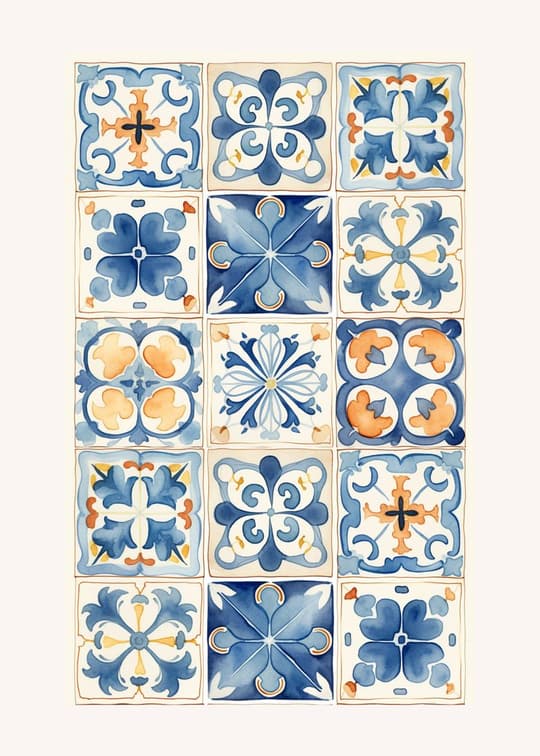 Configure →
Portuguese Tile Pattern Study
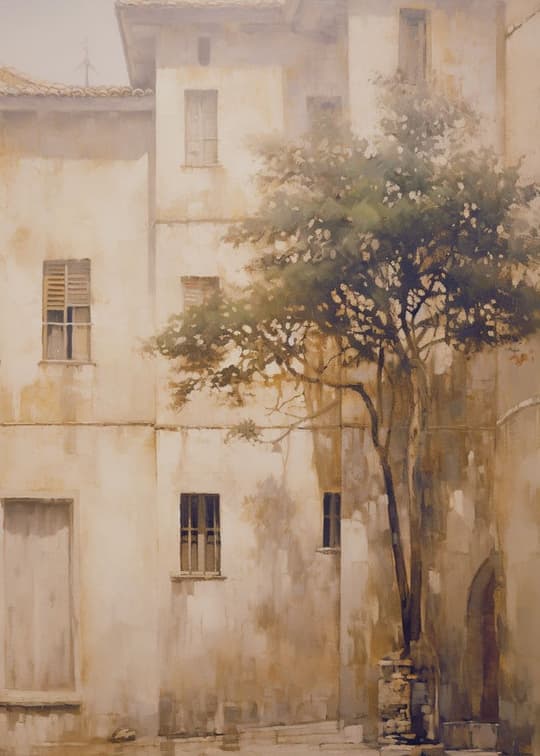 Configure →
Mediterranean Courtyard
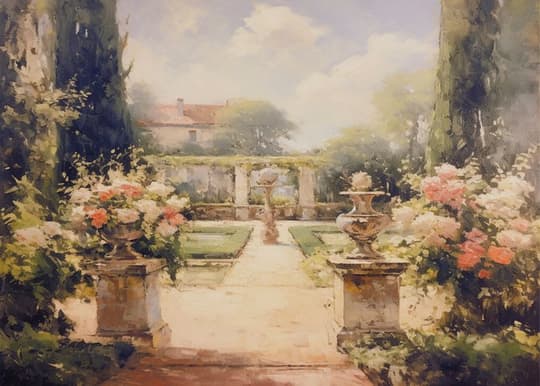 Configure →
Formal Garden with Roses
 Configure →
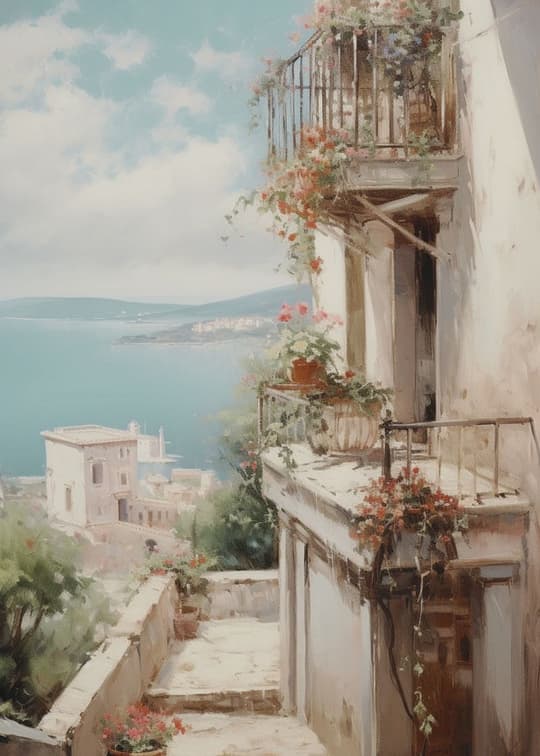
Mediterranean Terrace with Sea View
 Configure →
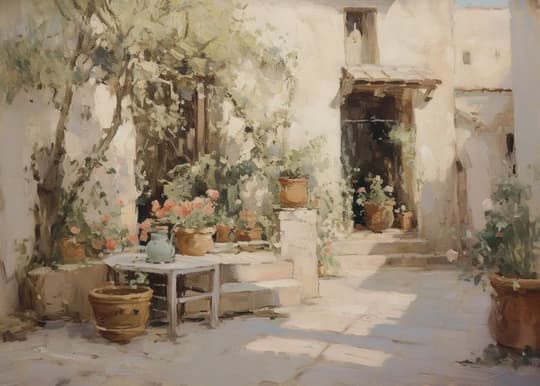
Mediterranean Courtyard Garden
 Configure →
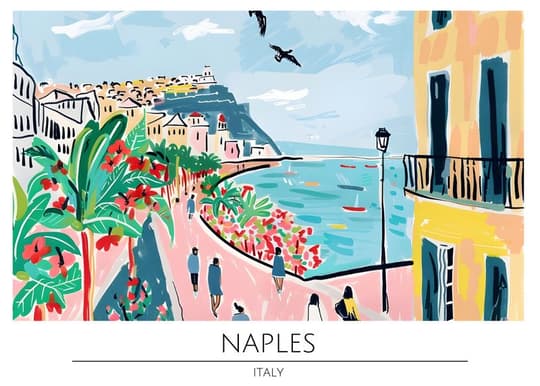
Naples, Italy
 Configure →
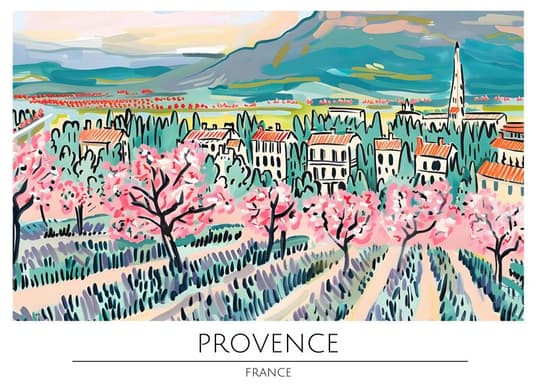
Provence, France
 Configure →
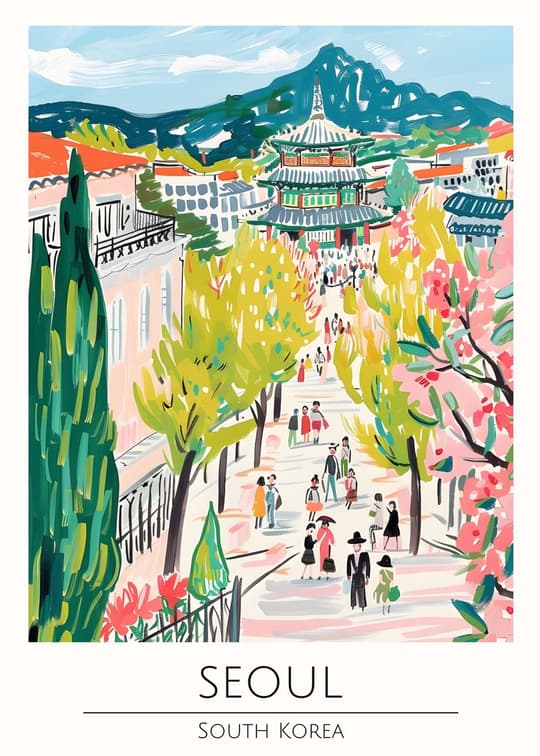
Seoul South Korea
 Configure →
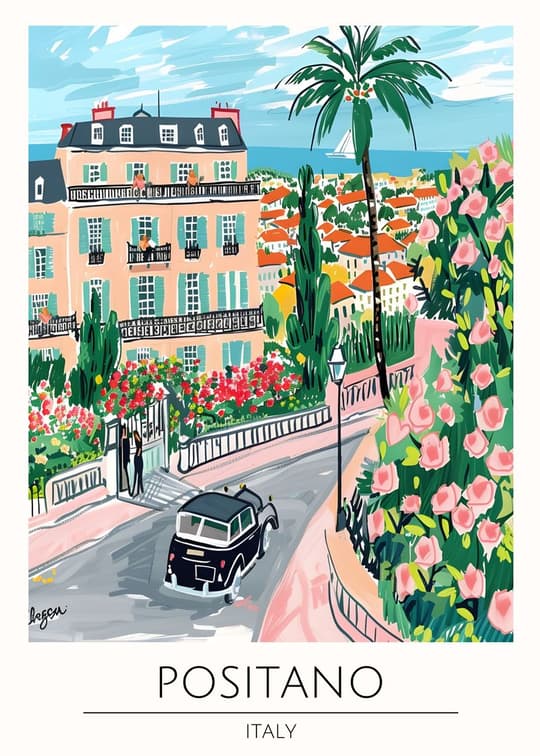
Positano, Italy
 Configure →
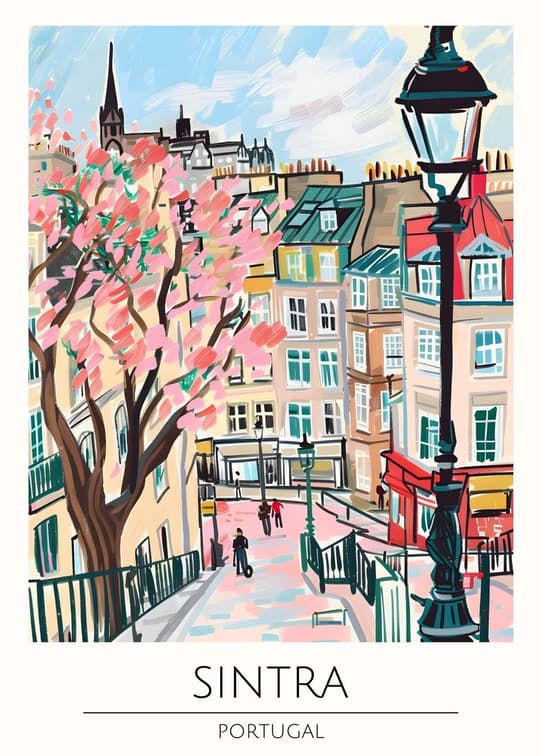
Sintra, Portugal
 Configure →
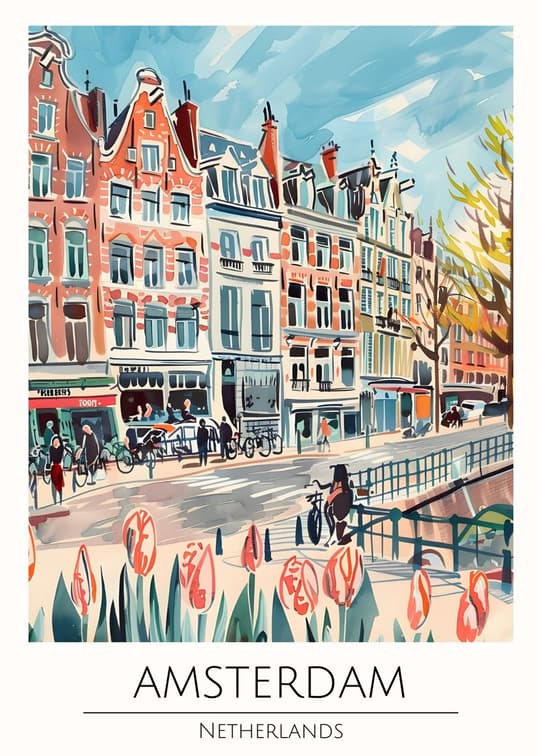
Amsterdam Canal Street
 Configure →
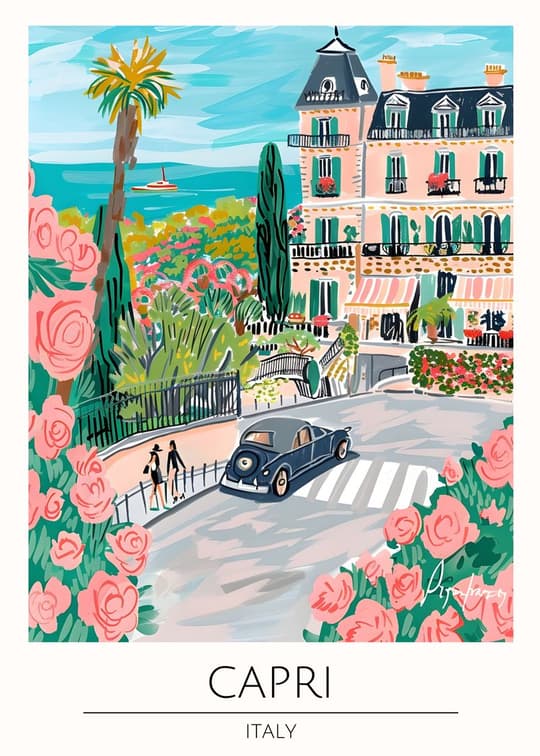
Capri, Italy
 Configure →
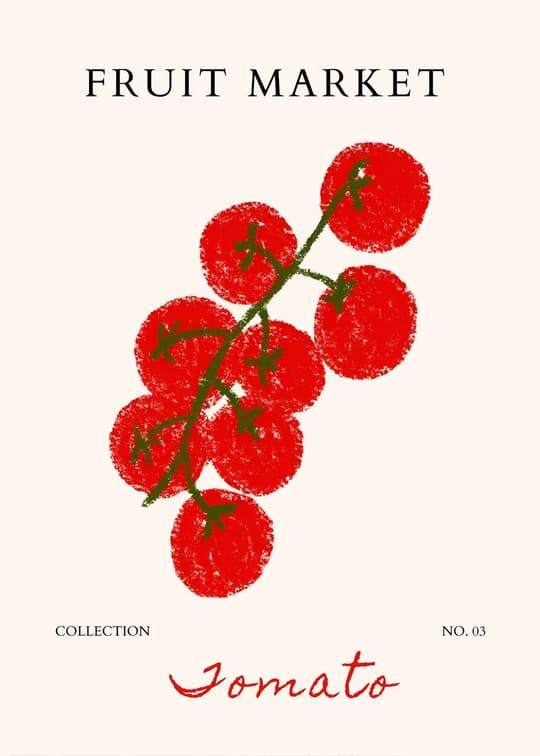
Fruit Market - Tomato
 Configure →
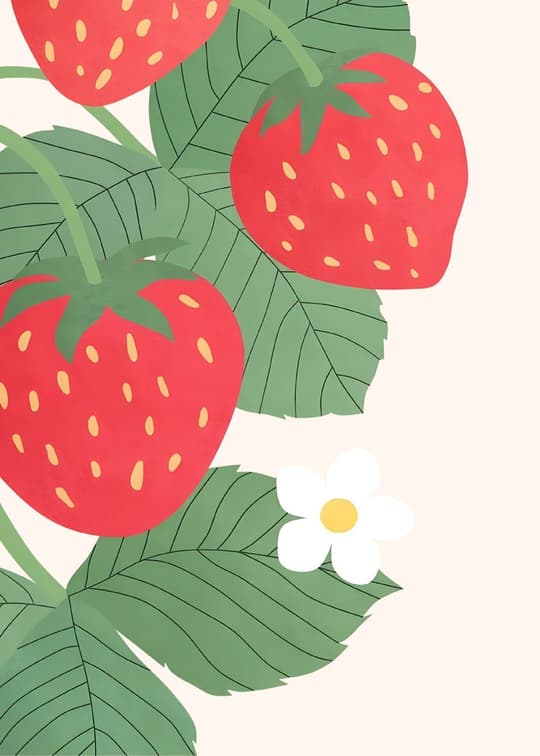
Strawberry Garden
 Configure →
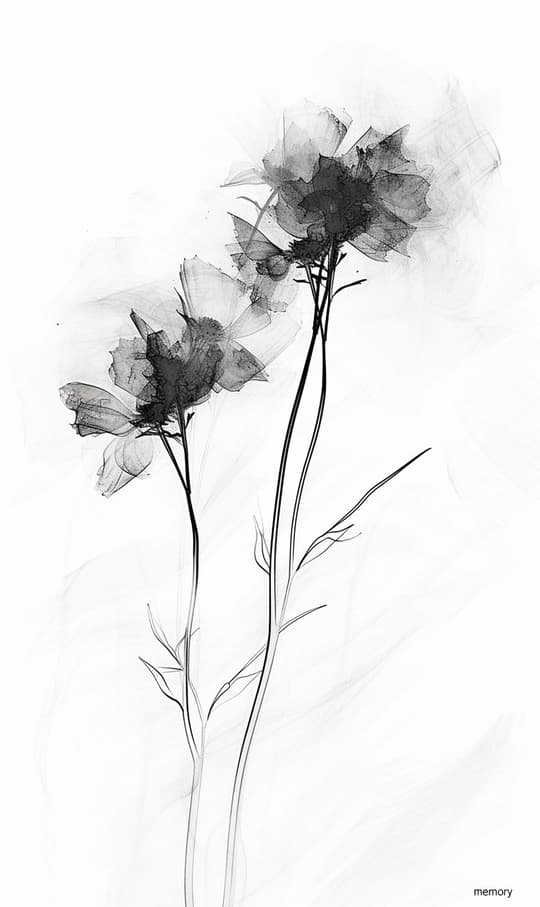
Delicate Memory Flowers
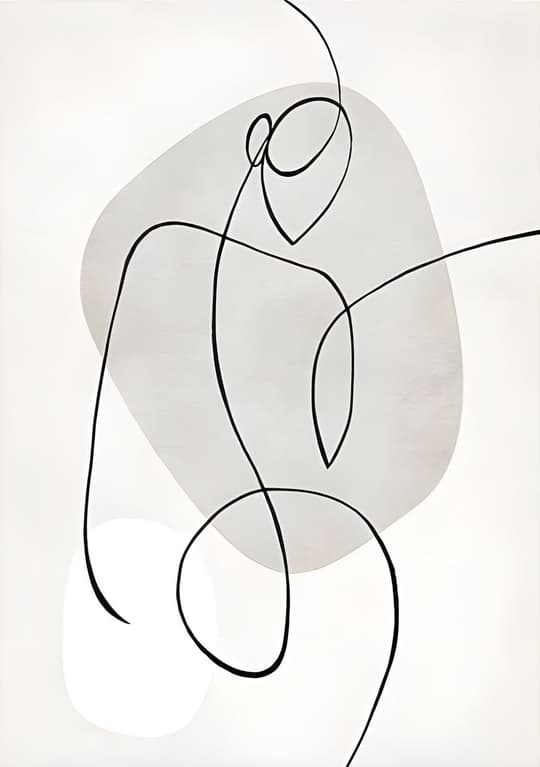 Configure →
Botanical Line Study
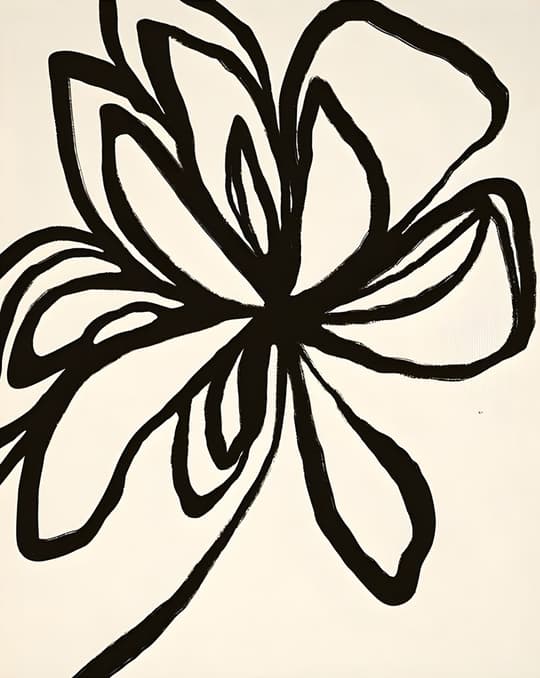 Configure →
Abstract Bloom
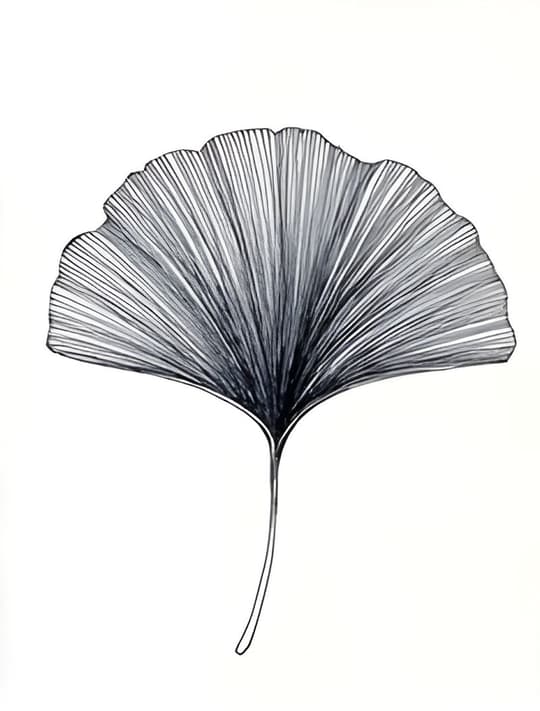 Configure →
Ginkgo Leaf Study
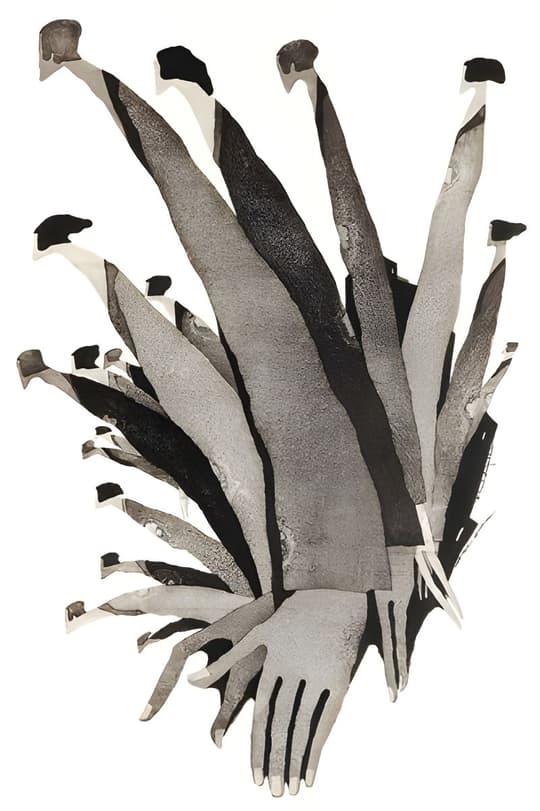 Configure →
Agave Study
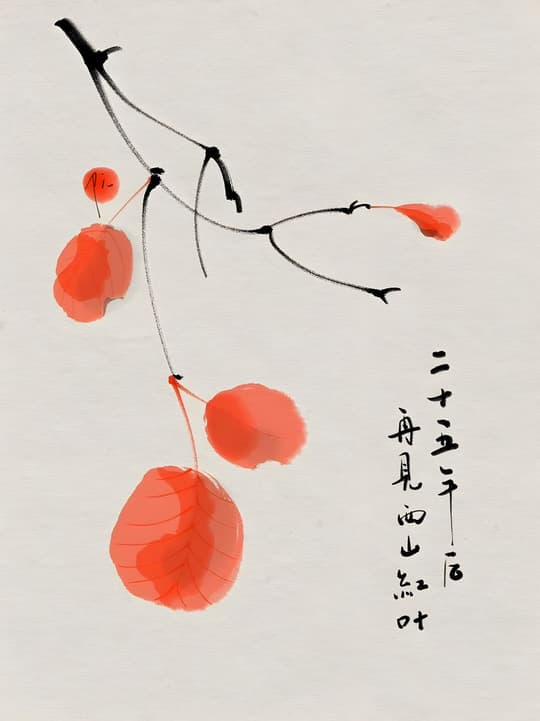 Configure →
Physalis Branch with Calligraphy
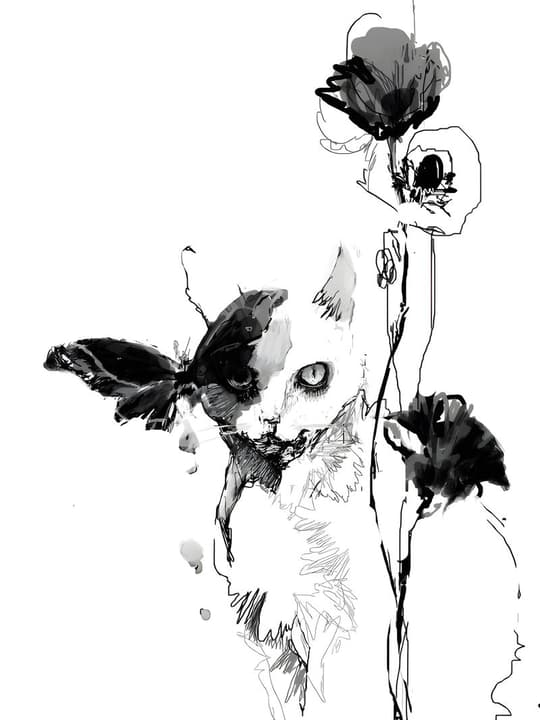 Configure →
Butterfly & Flower Study
 Configure →
Wildflower Sketch Study
The YourCover Difference
Gallery walls, without the gallery markup.
Museum-quality printing
Archival inks on canvas, acrylic, metal, or fine-art paper — colour-matched to the original.
Made to order for you
Nothing sits in a warehouse. Every piece is printed and finished the day it's ordered.
Preview before you buy
See the exact size, frame, and finish on your wall in real time — no guesswork.
Happiness guaranteed
If a piece doesn't land the way you hoped, we'll make it right — no fuss.
On this collection
Bring the outdoors inside with beautiful, nature-inspired pieces.
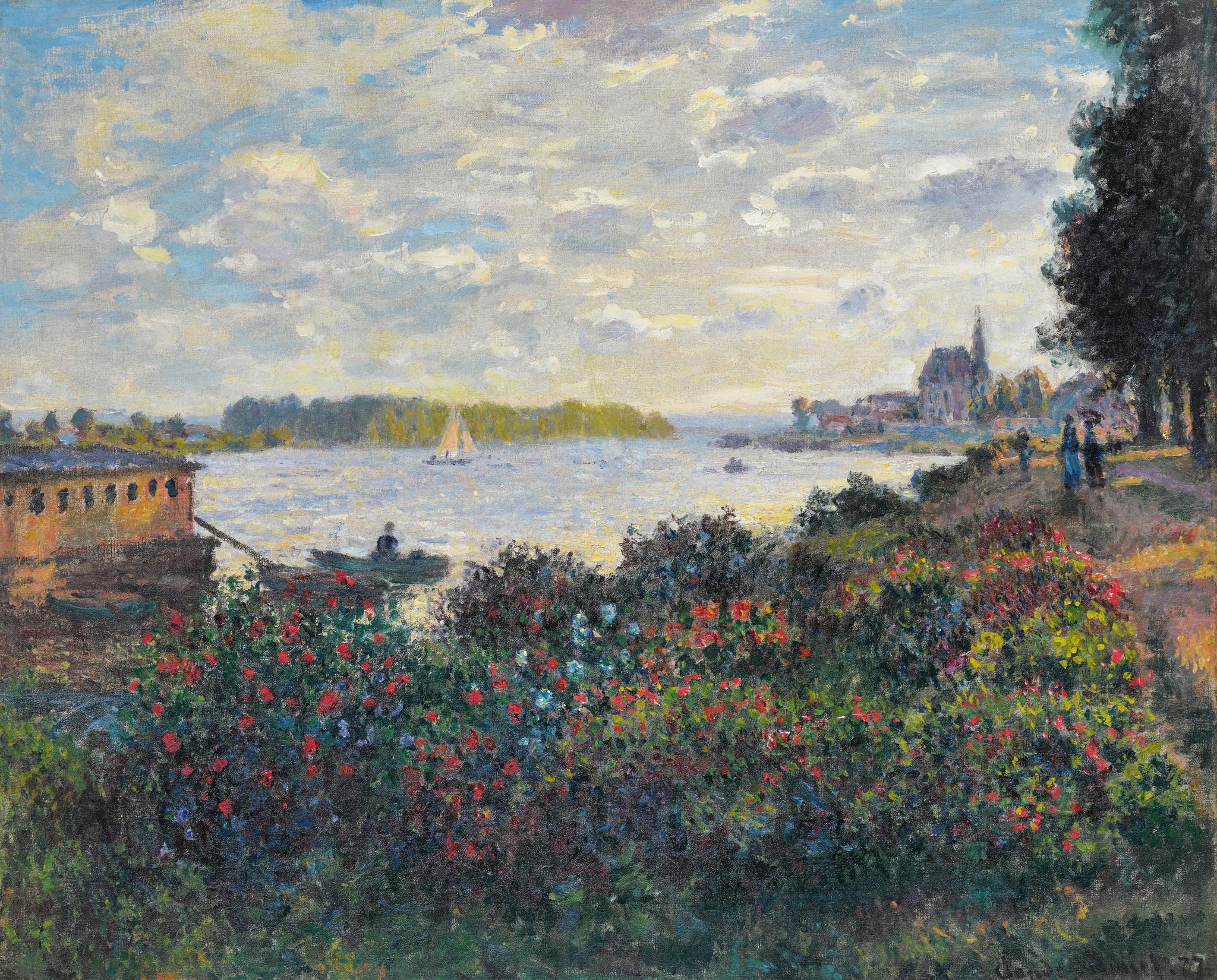
The Evolution of Botanical Illustration
Before the invention of the camera, the only way to record the world's flora was through meticulous illustration. The golden age of botanical art, stretching from the 18th to the mid-19th century, was driven by European exploration and the cataloging of new species. Artists like Pierre-Joseph Redouté and Maria Sibylla Merian combined rigorous scientific accuracy with aesthetic composition. Their works, originally published in bound folios, dissected the life cycle of a plant — showing roots, stems, buds, and blooming flowers simultaneously on a single page. Today, these historical plates are digitally restored and reproduced, retaining the slight paper grain and handwritten taxonomic text of the originals. In contemporary botanical art, the focus often shifts from taxonomy to texture, utilizing macro photography or abstract watercolor to isolate specific plant structures, such as the venation of a leaf or the geometry of a seed pod.
Contextualizing Botanicals in Modern Rooms
Botanical prints are inherently versatile because they lack the heavy narrative of portraiture or the specific geographic anchor of a landscape. In traditional interiors, a grid of matching vintage plates — often framed in uniform wood or brass — acts as a structured, architectural element, turning a blank dining room wall into a cohesive gallery. In modern spaces, a single, oversized contemporary botanical can serve as a focal point, softening rigid furniture lines with organic shapes. When selecting the medium, consider the style of the artwork. Antique illustrations are best served by matte paper, which mimics the original vellum or rag paper they were drawn on. High-contrast, modern floral photography, however, translates exceptionally well to the sleek surface of acrylic or canvas, where the saturation of the colors can be fully realized.
Softening the Edges
Placing organic, natural shapes next to the straight lines of our furniture just feels right. A dark-academia floral arrangement or a bright, happy monstera leaf print acts as a natural anchor, making any room feel a little softer and more inviting. In bedrooms, light, airy botanical sketches add a peaceful rhythm that’s perfect for winding down at the end of the day.
How your print is made
From archive to wall
Digital remastering included
- 01
Source
Each piece comes from a high-resolution museum or curated archive — the kind of original-quality source you'd otherwise only find at the Met or a specialized print dealer.
- 02
Remaster
Before we print, every image is digitally cleaned: scan borders trimmed, color profile adjusted to the chosen medium, resolution matched to your selected size. No museum-scan artifacts make it onto your wall.
- 03
Print
Pigment inks on archival material in our LA studio. Quality-checked, packaged flat or rolled depending on size, shipped ready to hang within 5–7 business days.
Same art, your surface
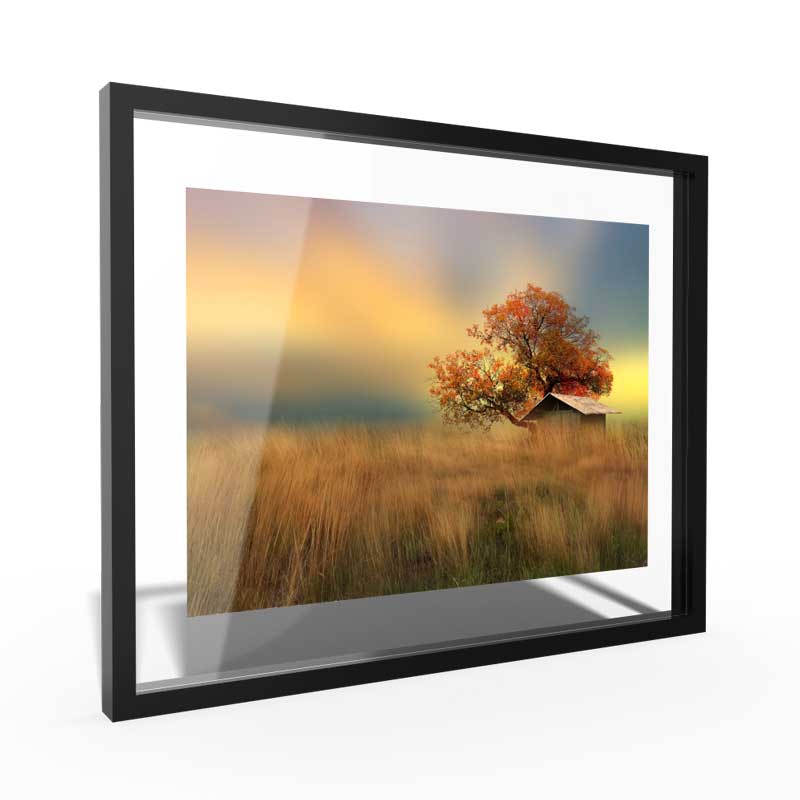
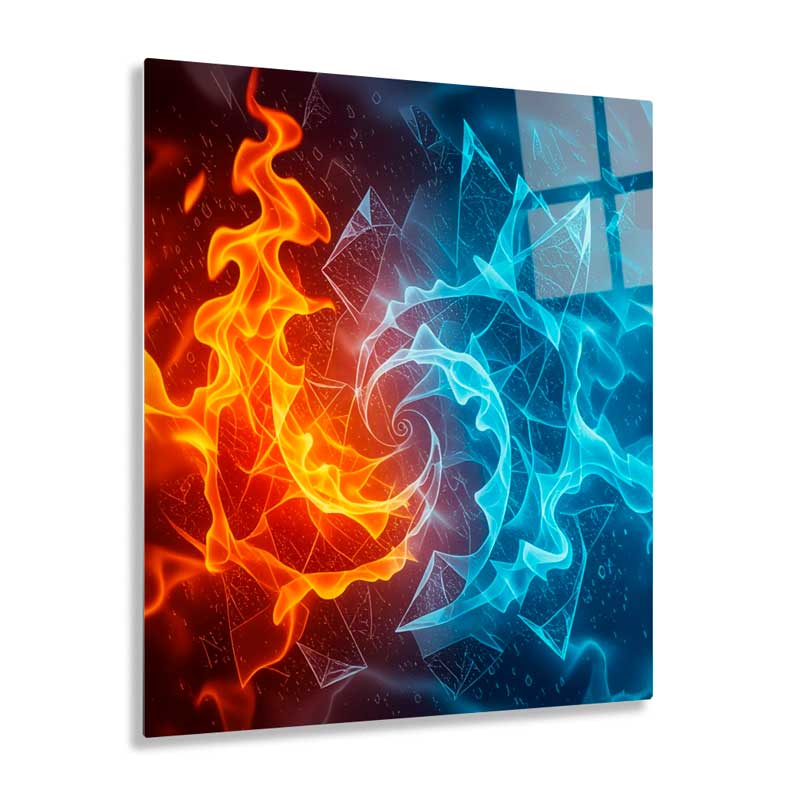
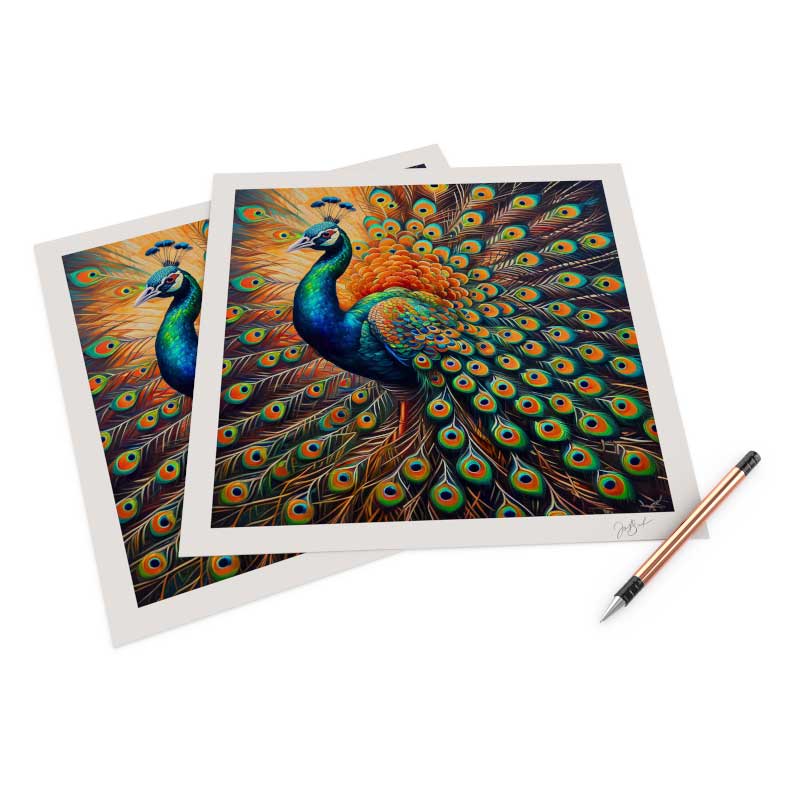
Botanical on every medium
Keep exploring
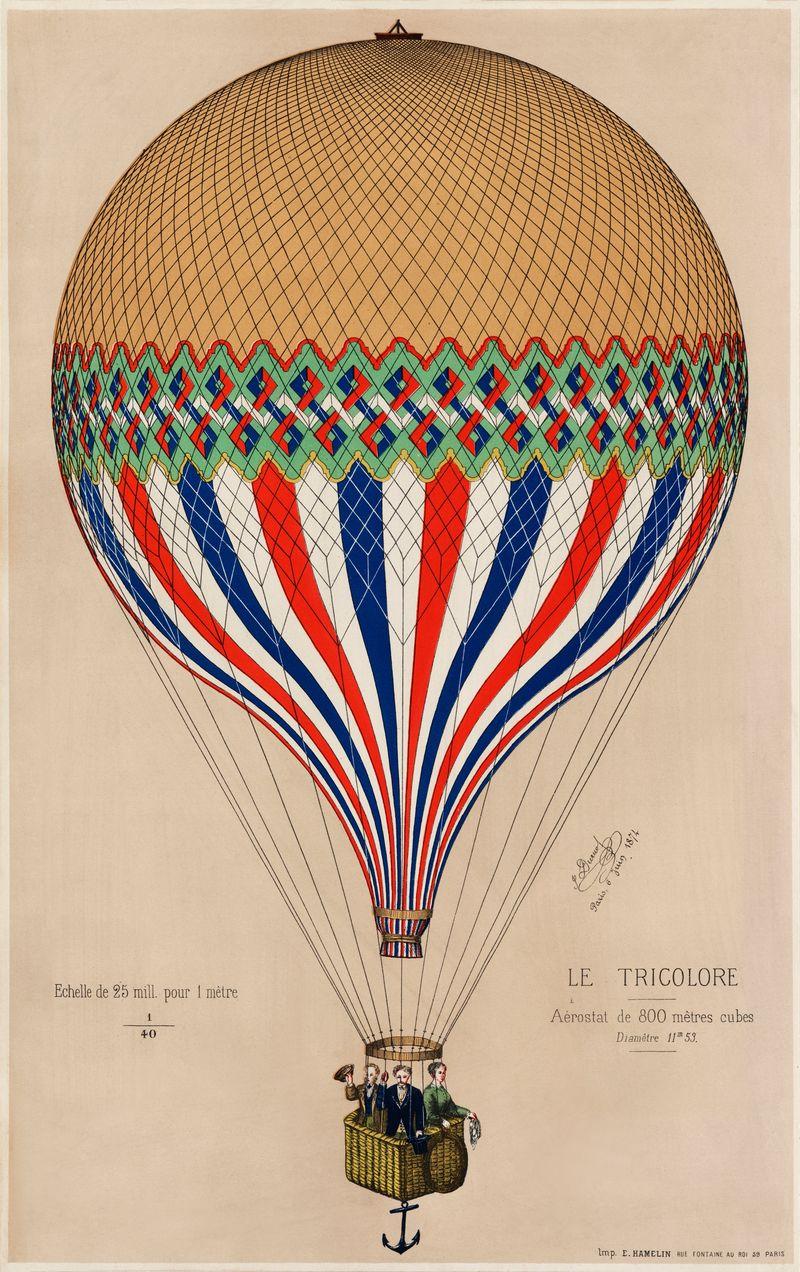
If you like Botanical, you'll like…

Buy with confidence
Sizing & hanging guide
- 1
Measure your wall
Width and height of the open space, edge to edge.
- 2
Take 2/3 of it
Art should fill about two-thirds of the available width.
- 3
Match the orientation
Tall walls take portrait; wide walls take landscape.
- Hang centre at 57–60" from the floor — eye level.
- Leave 3–6" between a frame and furniture below it.
- For a group, treat the cluster as one shape.
- Bigger reads as more expensive; don't under-size.
FAQ
Frequently asked
Vintage-style botanical prints are either direct reproductions of historical archives (like those from the New York Botanical Garden or Kew Gardens) or contemporary works drawn in the same meticulous, illustrative style. They typically feature off-white or aged backgrounds, taxonomic text in Latin, and distinct, fine linework indicative of copperplate engraving or traditional watercolor.
The most traditional and impactful way to display a series of botanical prints is in a symmetrical grid. Because the subject matter is highly unified, identical frames spaced exactly one to two inches apart create a window-pane effect. This structured arrangement works exceptionally well over a sofa, a long dining console, or lining a hallway.
No. While macro photography of plants is a major segment of modern botanicals, the category also includes abstract painted florals, minimalist line-art leaves, and digital illustrations. Modern botanicals are defined by their composition — often focusing on extreme close-ups, unconventional color palettes, or the isolation of a single plant part against a solid background.
Historical botanical illustrations were scientific tools used by botanists and apothecaries. To be useful, the illustration had to show the entire life cycle and anatomy of the plant on a single page. This means an artist would combine the root system, a budding flower, a full bloom, and the resulting seed pod into one cohesive, though chronologically impossible, composition.
They look amazing with vintage and cottagecore vibes for a super cozy, lived-in feel. If you prefer a more modern look, minimalist botanical line art is a perfect match!
Because they are so grounding and natural, they feel right at home in places where you want to relax or gather with friends, like dining rooms, bedrooms, and sunrooms.
Warm wooden frames, like oak or walnut, highlight the natural vibe beautifully. If you want a crisper look, a simple thin black frame is a foolproof choice.