
Style
Minimalist Wall Art
Clean lines, simple shapes, and the beauty of keeping it simple.
Minimalist art prints show us that sometimes, less really is more. By stepping back from busy details and focusing on clean lines, soothing colors, and plenty of breathing room, minimalist artwork brings a wonderful sense of focus and calm to your home.…
What defines the style
- The Vocabulary of Minimalist Art
- Minimalism as a visual arts movement emerged in New York in the early 1960s, reacting against the emotional intensity of Abstract Expressionism.
- Styling and Spatial Dynamics
- In interior design, minimalist art is not just about the piece itself, but about the space around it.
- The Beauty of Blank Space
- In minimalist art, the empty space—whether it’s crisp white paper or textured canvas—is just as important as the design itself.
445 Minimalist works
 Configure →
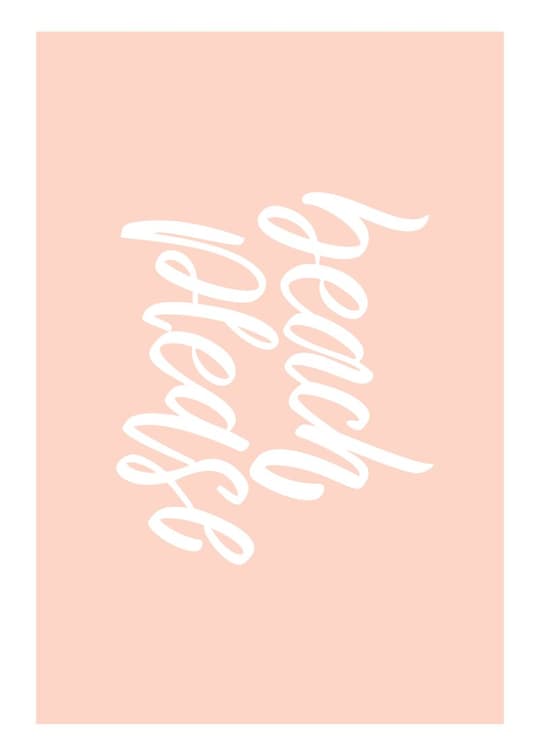
Happy Vibes
 Configure →
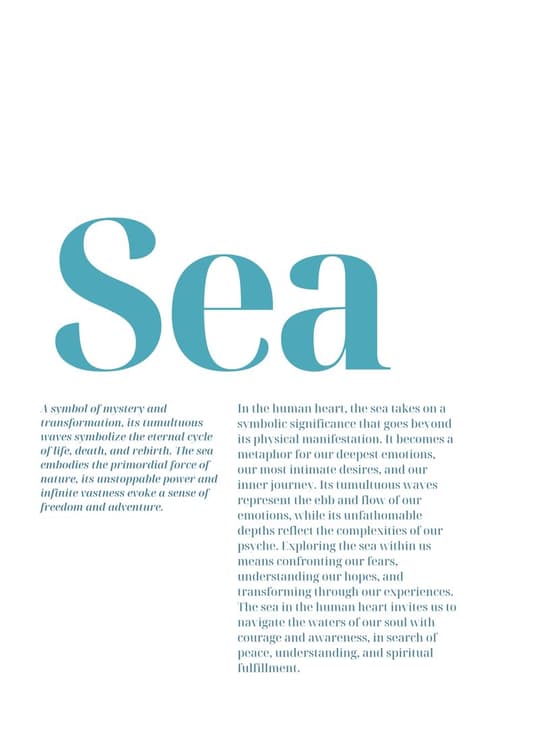
Sea: Symbol of Mystery
 Configure →
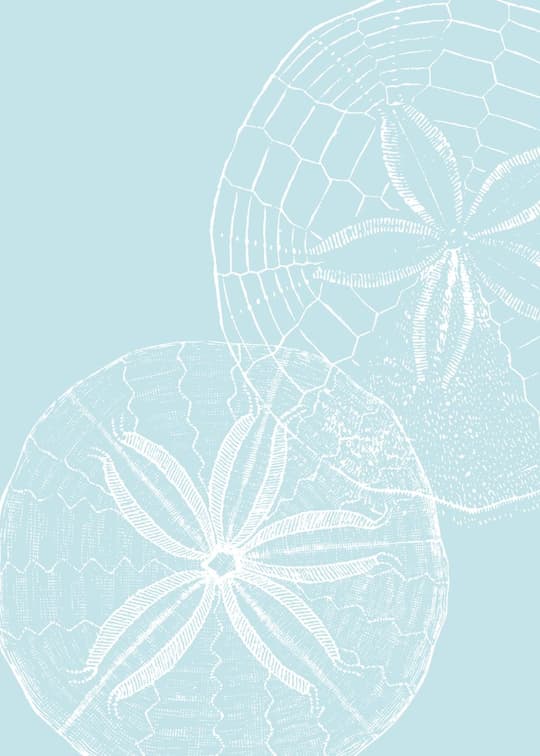
Botanical Geometry: Sea Urchin Study
 Configure →
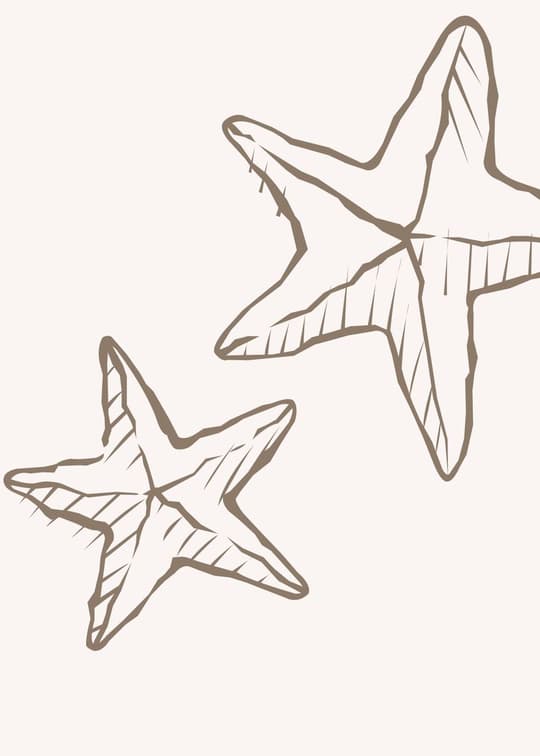
Starfish Line Drawing
 Configure →
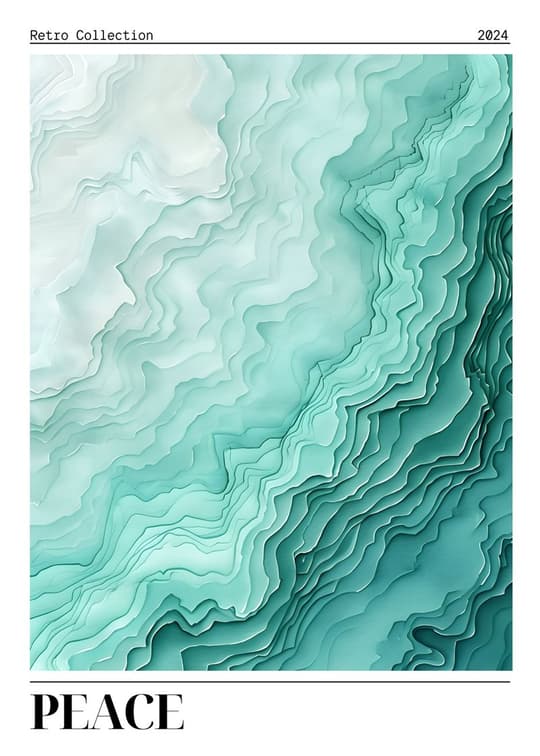
Peace
 Configure →
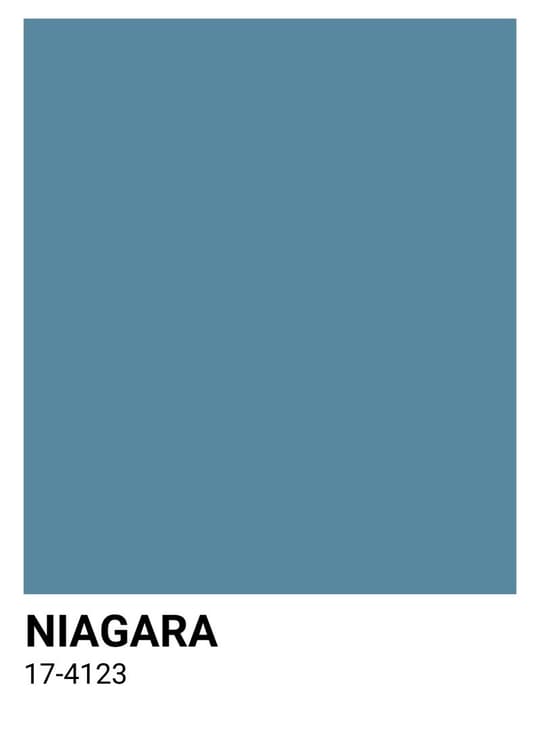
Niagara
 Configure →
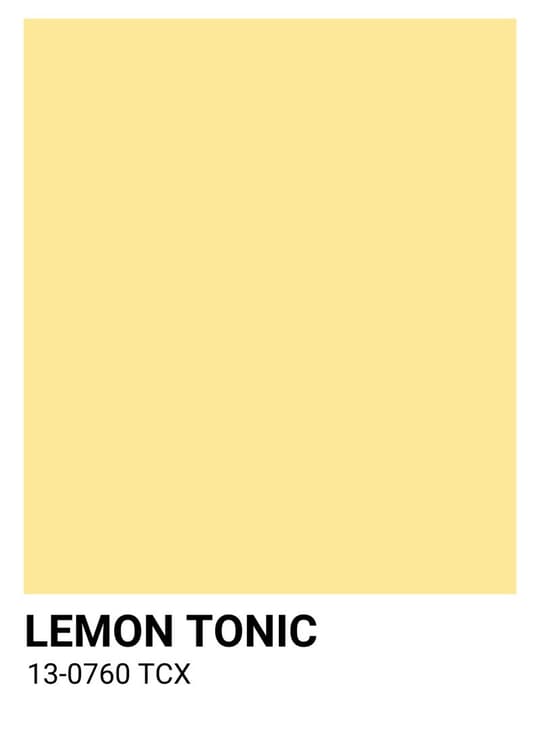
Lemon Tonic
 Configure →
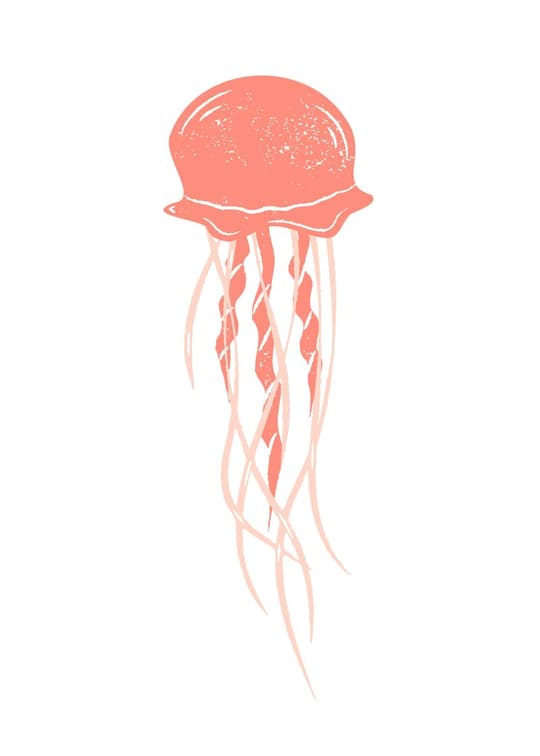
Coral Jellyfish
 Configure →
Soft Gradient Sunrise
 Configure →
Soft Yellow Gradient
 Configure →
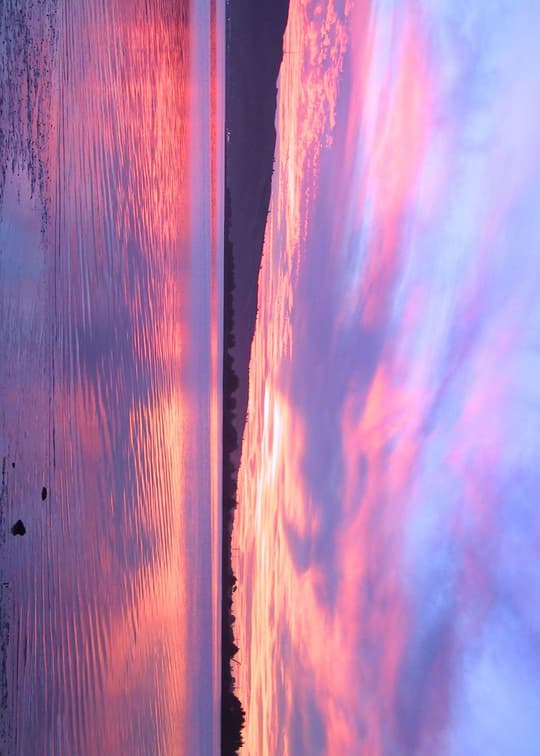
Sunset Passage
 Configure →
Soft Gradient Horizon
 Configure →
Golden Sunrise Gradient
 Configure →
Sky Gradient Study
 Configure →
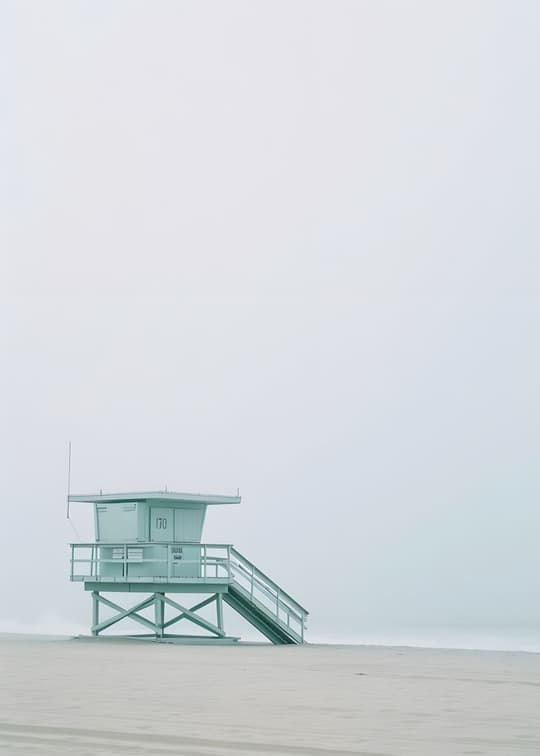
Lifeguard Tower 170
 Configure →
Neutral Minimalist Canvas
 Configure →
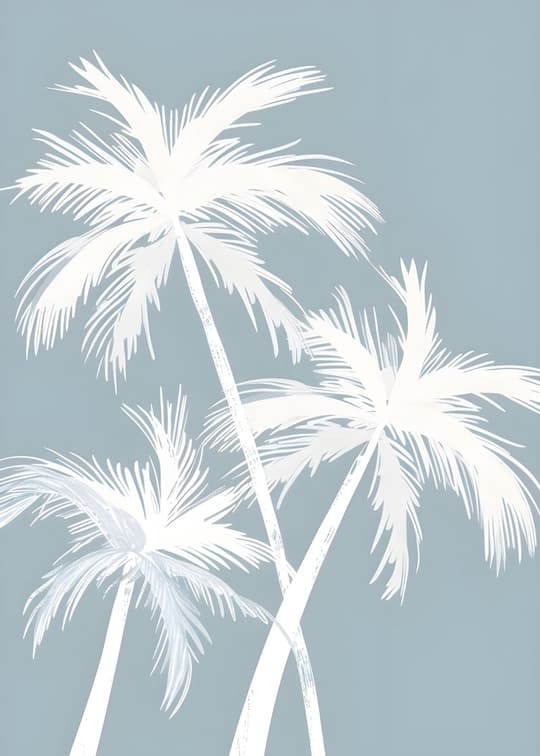
Palm Trees in Soft Blue
 Configure →
Serene Sky Gradient
 Configure →
Serene Sky Gradient
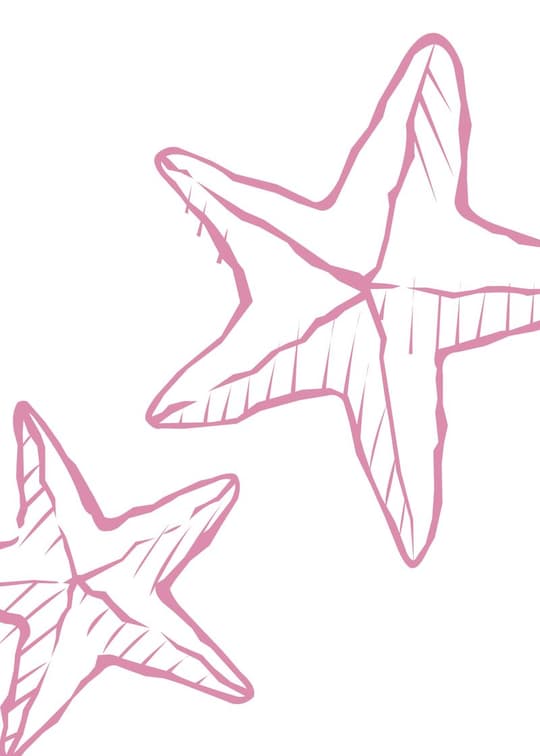 Configure →
Line Art Starfish Collection
 Configure →
Serene Ombre Sky
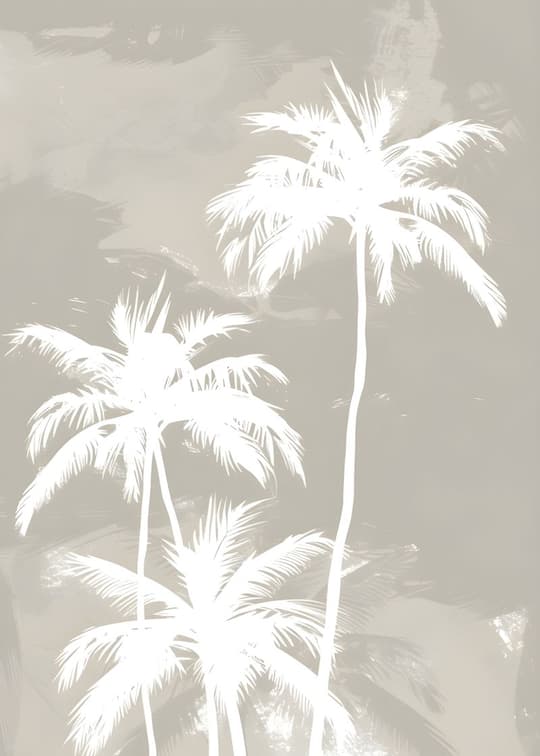 Configure →
Minimalist Palm Study
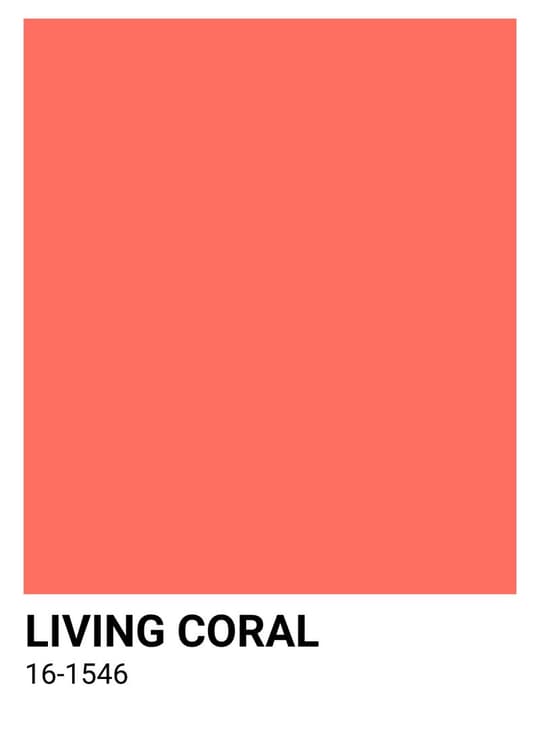 Configure →
Living Coral
 Configure →
Sun and Sea Line Art
 Configure →
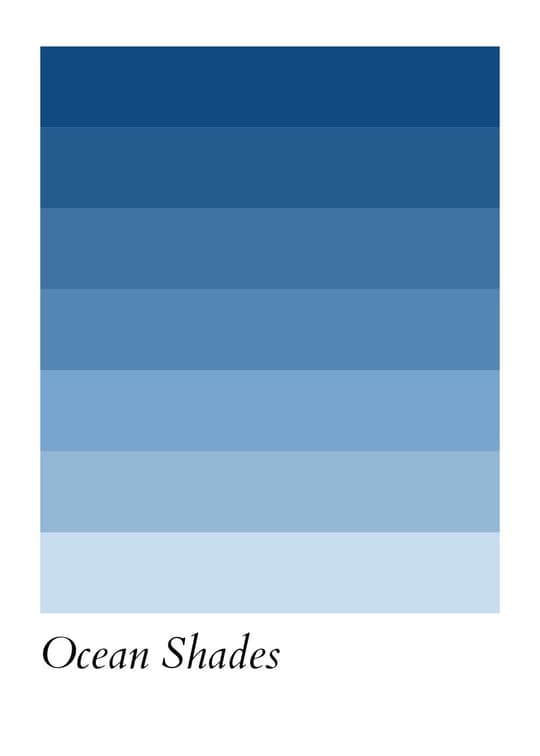
Ocean Shades
 Configure →
Lemon Tonic
 Configure →
Niagara
 Configure →
Niagara
 Configure →
Celestial Glow
 Configure →
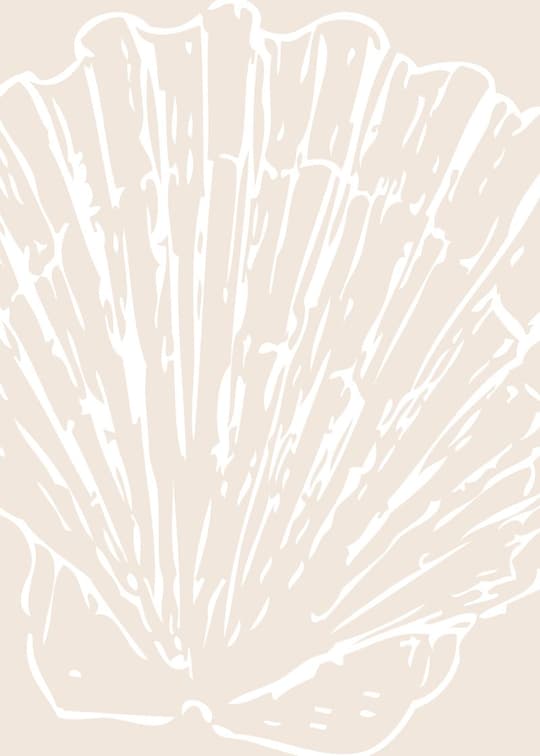
Seashell Study
 Configure →
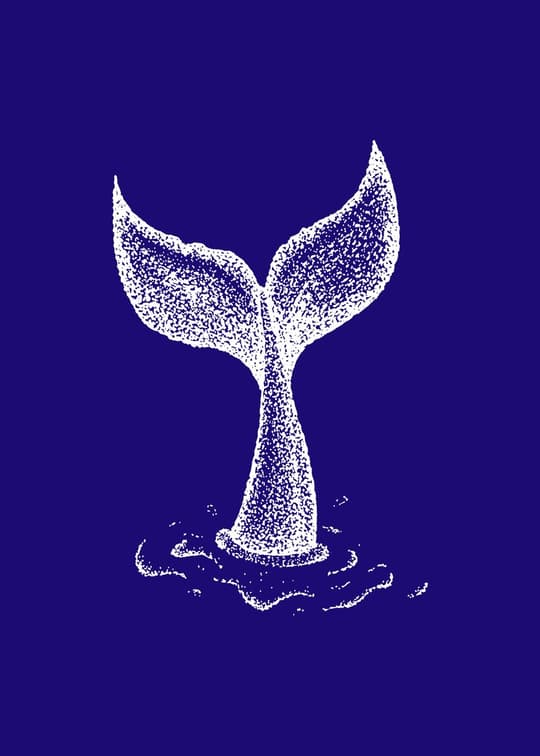
Whale Tail
 Configure →
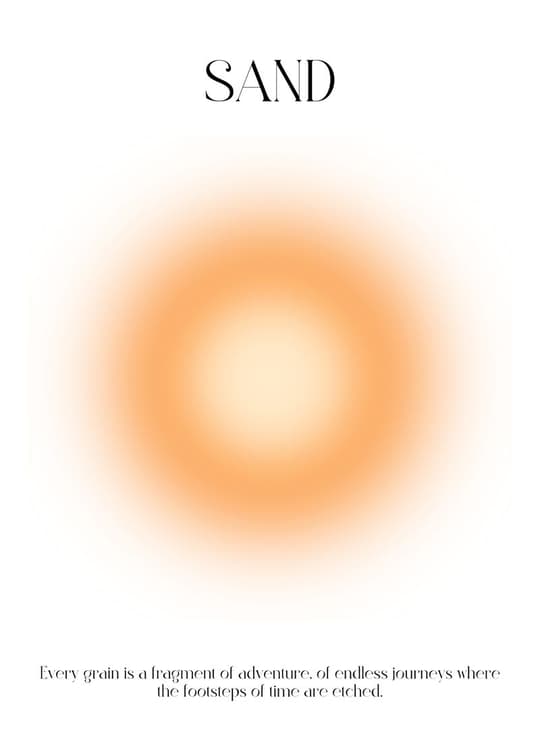
Sand
 Configure →
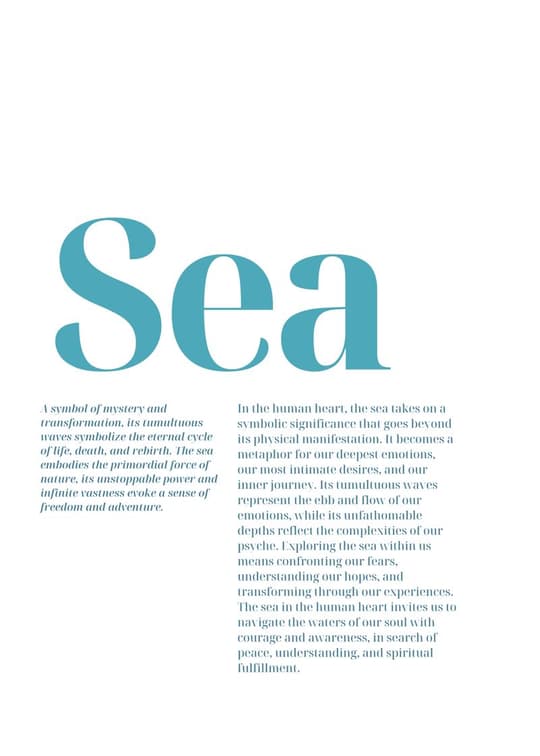
Sea: Symbol of the Soul
 Configure →
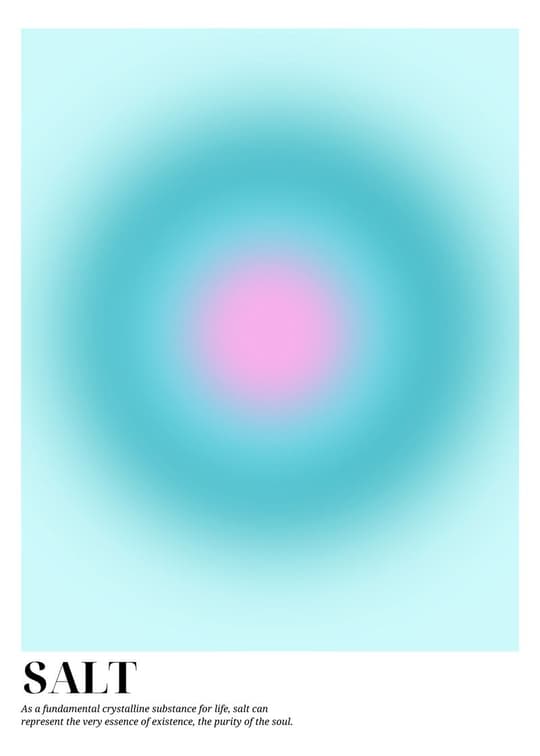
Salt
 Configure →
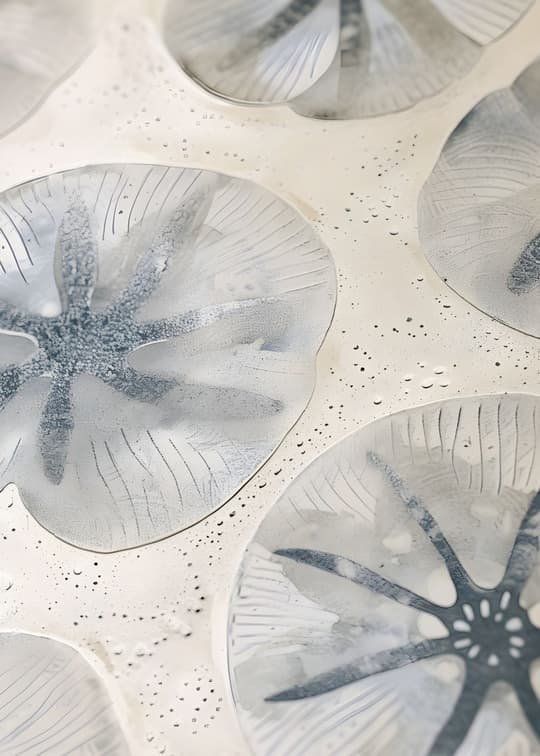
Seashells & Sand Study
 Configure →
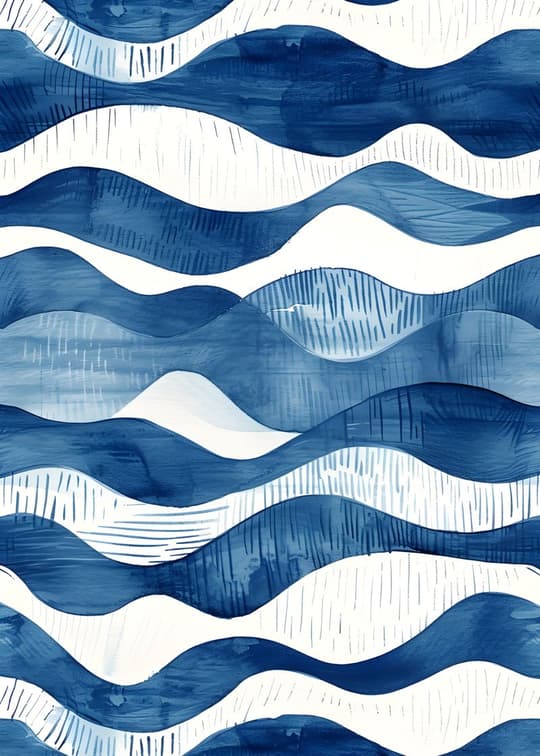
Flowing Blue Waves
 Configure →
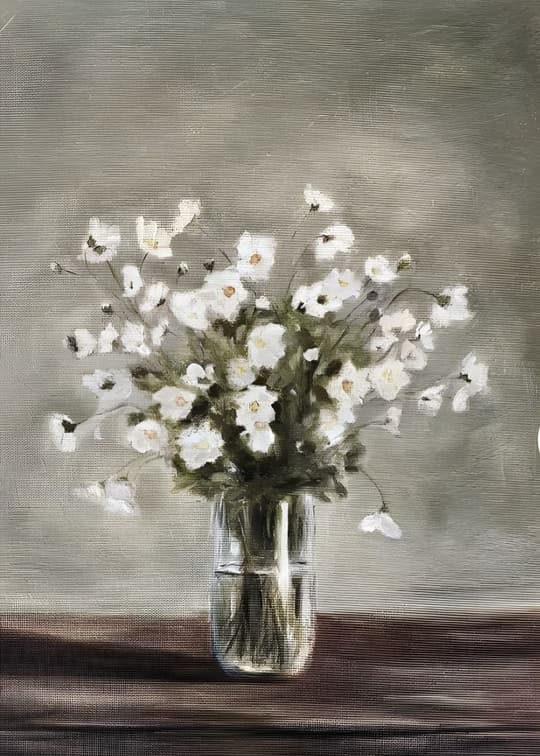
White Flowers in Glass Vase
 Configure →
Misty Forest Landscape
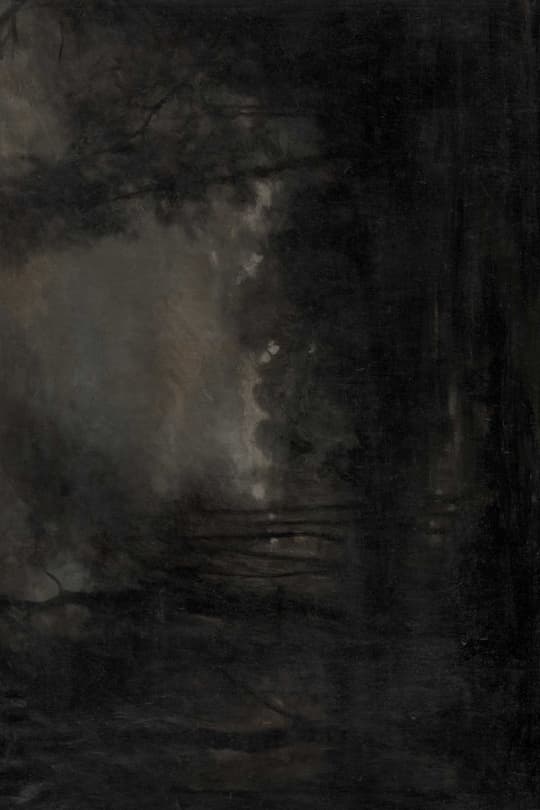 Configure →
Nocturne Study
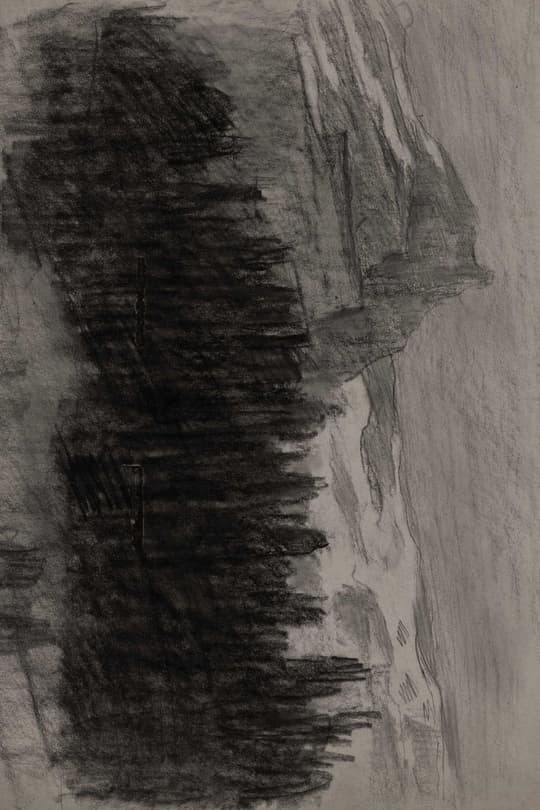 Configure →
Misty Forest Landscape
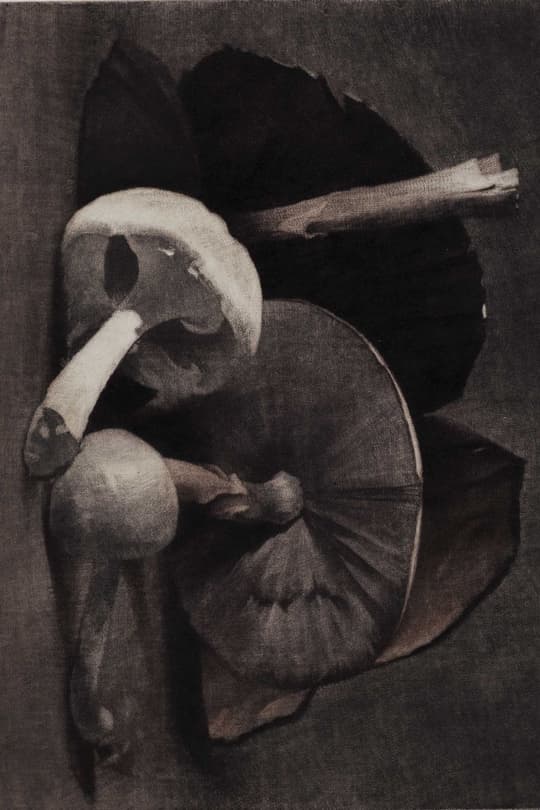 Configure →
Still Life with Musical Instruments
 Configure →
Misty Forest Path
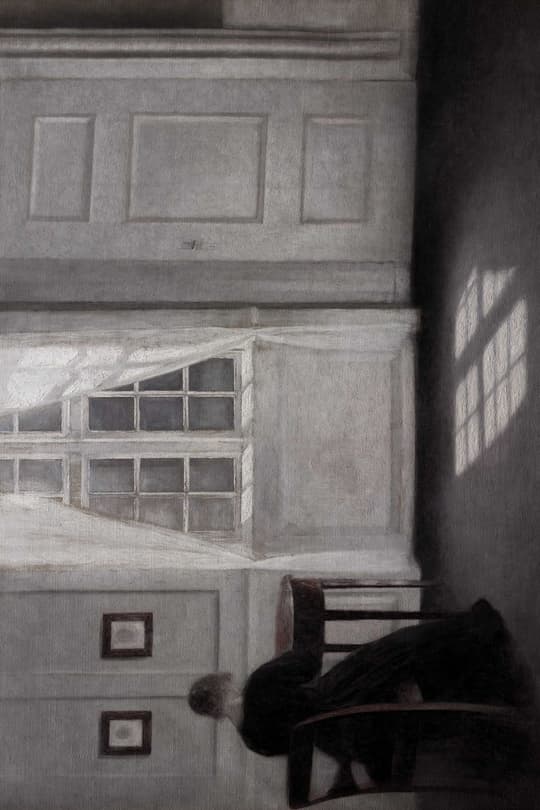 Configure →
Light Through Windows
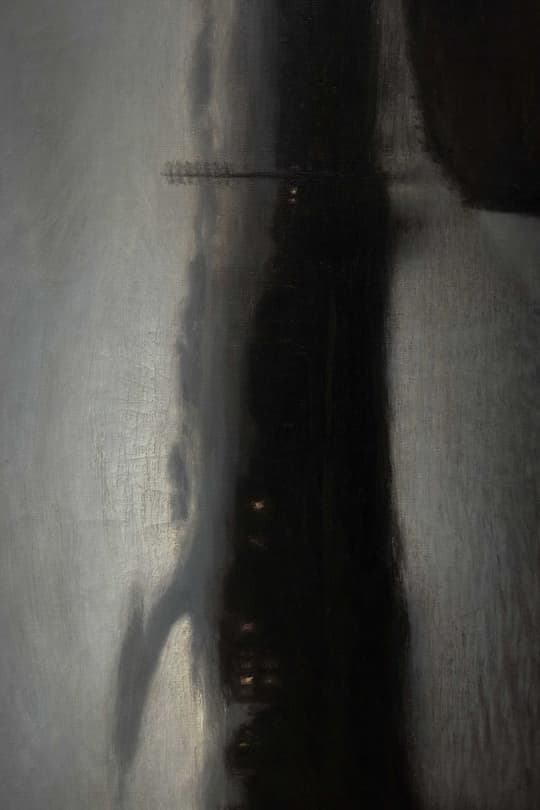 Configure →
Bridge in Mist
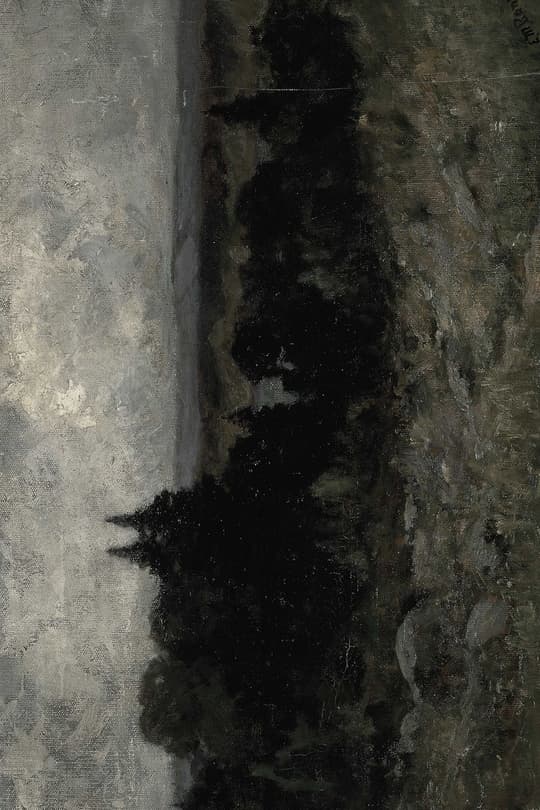 Configure →
Dark Forest Landscape
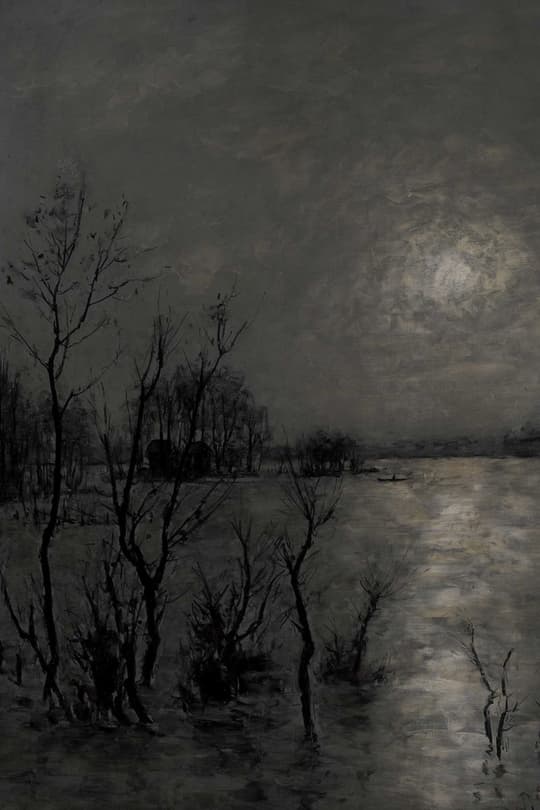 Configure →
Moonlit Wetland
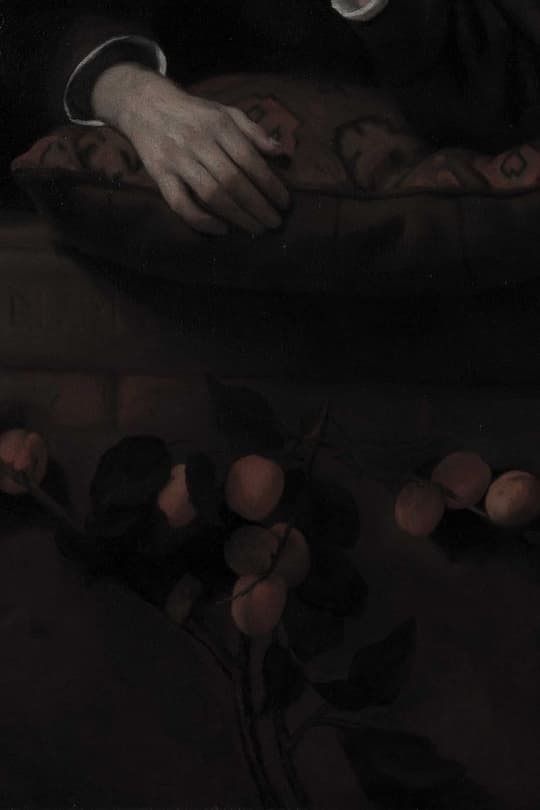 Configure →
Nocturnal Touch
 Configure →
The Offering
The YourCover Difference
Gallery walls, without the gallery markup.
Museum-quality printing
Archival inks on canvas, acrylic, metal, or fine-art paper — colour-matched to the original.
Made to order for you
Nothing sits in a warehouse. Every piece is printed and finished the day it's ordered.
Preview before you buy
See the exact size, frame, and finish on your wall in real time — no guesswork.
Happiness guaranteed
If a piece doesn't land the way you hoped, we'll make it right — no fuss.
On this collection
Clean lines, simple shapes, and the beauty of keeping it simple.
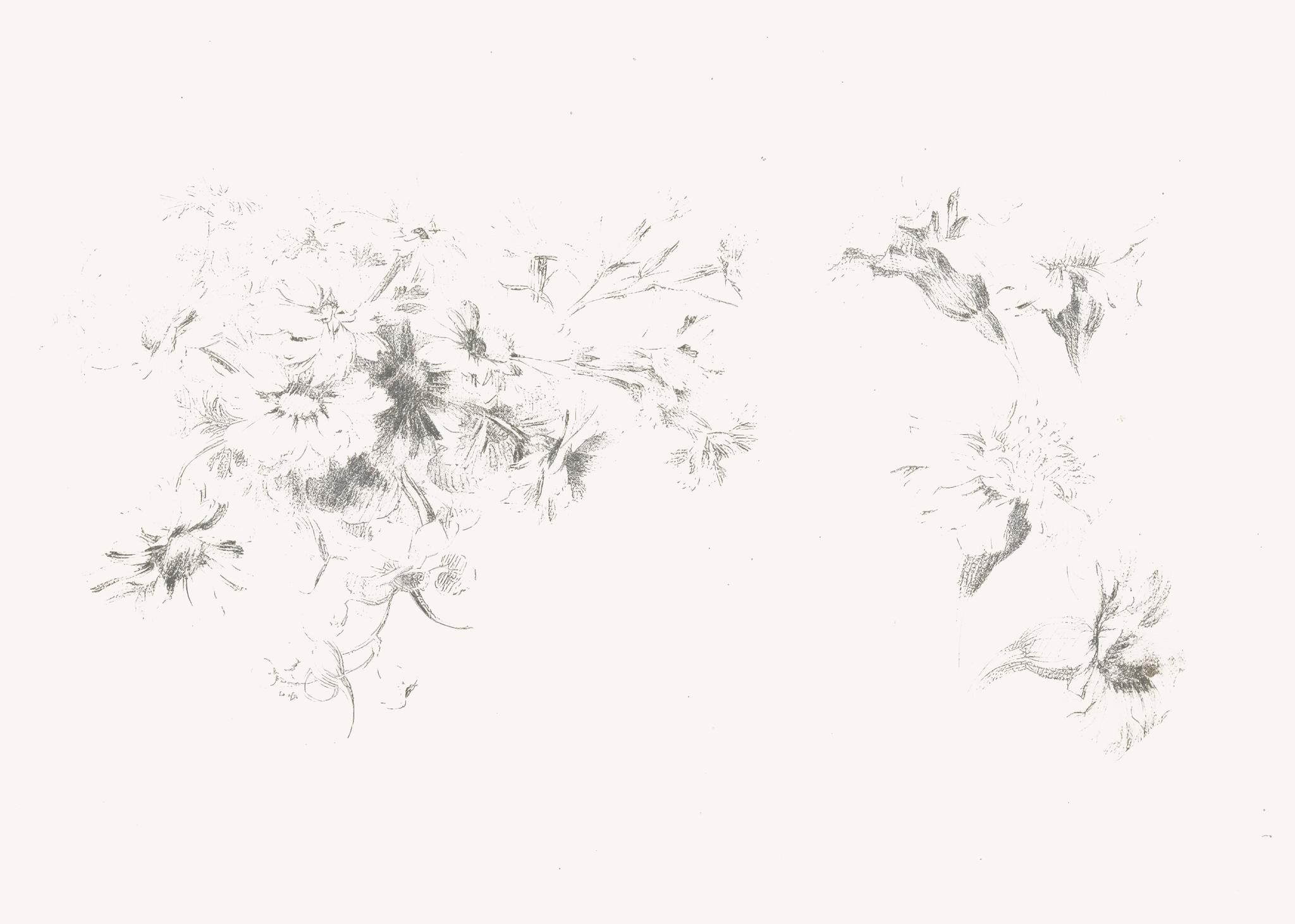
The Vocabulary of Minimalist Art
Minimalism as a visual arts movement emerged in New York in the early 1960s, reacting against the emotional intensity of Abstract Expressionism. Artists like Donald Judd and Agnes Martin favored industrial materials, strict geometric grids, and a deliberate lack of narrative. Today, the definition of minimalist wall art has expanded, but the core tenets remain: extreme simplification. Continuous line art, where a subject is rendered without the pen leaving the paper, creates elegant, fluid forms. Color-field art relies on large, flat planes of solid color to dictate mood rather than depicting a subject. Minimalist photography often utilizes long exposures to blur moving water or clouds into smooth, featureless gradients, isolating a single subject — like a pier or a solitary tree — against vast, empty space.
Styling and Spatial Dynamics
In interior design, minimalist art is not just about the piece itself, but about the space around it. To succeed, minimalist prints require "breathing room." Crowding a simple geometric print with heavily patterned wallpaper or competing decor negates its calming effect. A single, large-scale minimalist piece hung on a blank wall acts as a palette cleanser in a busy home. Framing is equally critical; ornate or heavy frames overwhelm the art. Thin, gallery-style metal frames or floating canvas mounts in raw wood or matte black are the standard. Because the imagery is so simple, the texture of the medium becomes more prominent. A minimalist print on thick, textured watercolor paper or heavy canvas adds necessary tactile warmth to an otherwise austere composition.
The Beauty of Blank Space
In minimalist art, the empty space—whether it’s crisp white paper or textured canvas—is just as important as the design itself. This blank space gives your eyes a place to rest, which is why minimalist pieces work so beautifully in smaller rooms or areas that already have plenty of furniture or bold colors.
How your print is made
From archive to wall
Digital remastering included
- 01
Source
Each piece comes from a high-resolution museum or curated archive — the kind of original-quality source you'd otherwise only find at the Met or a specialized print dealer.
- 02
Remaster
Before we print, every image is digitally cleaned: scan borders trimmed, color profile adjusted to the chosen medium, resolution matched to your selected size. No museum-scan artifacts make it onto your wall.
- 03
Print
Pigment inks on archival material in our LA studio. Quality-checked, packaged flat or rolled depending on size, shipped ready to hang within 5–7 business days.
Same art, your surface
Minimalist on every medium
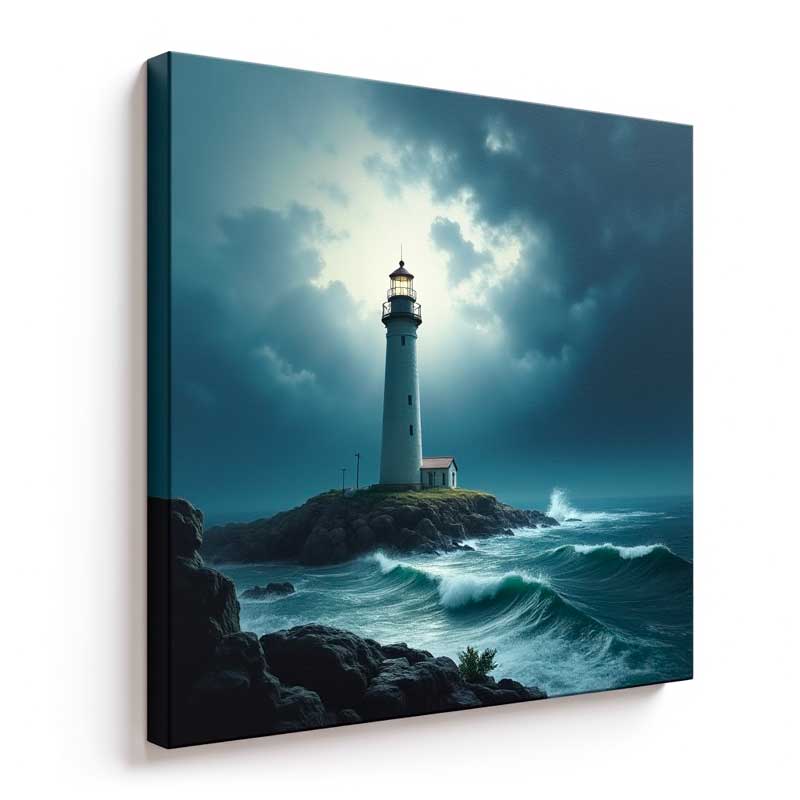
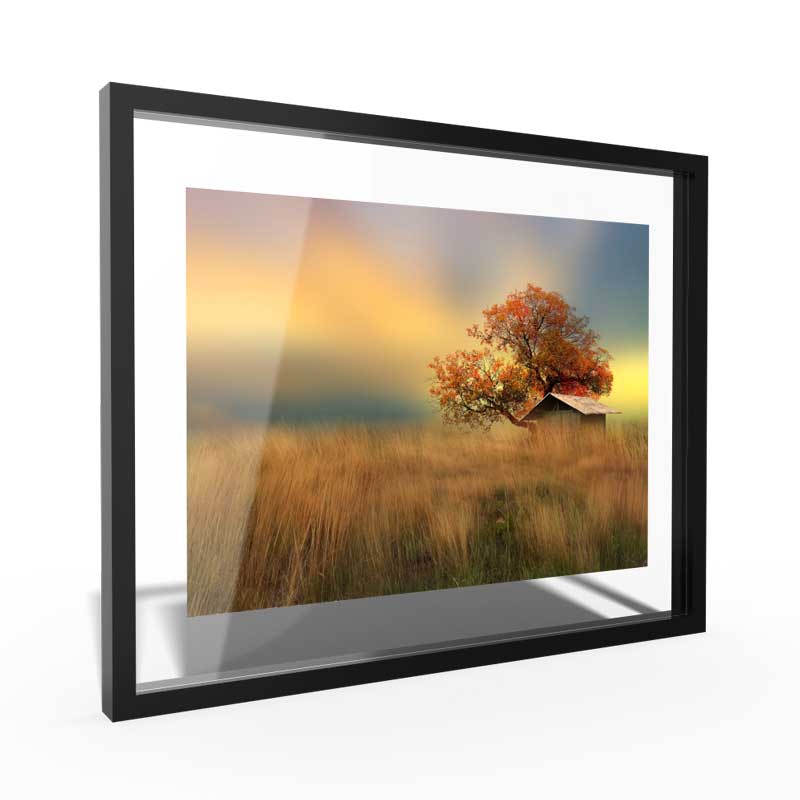
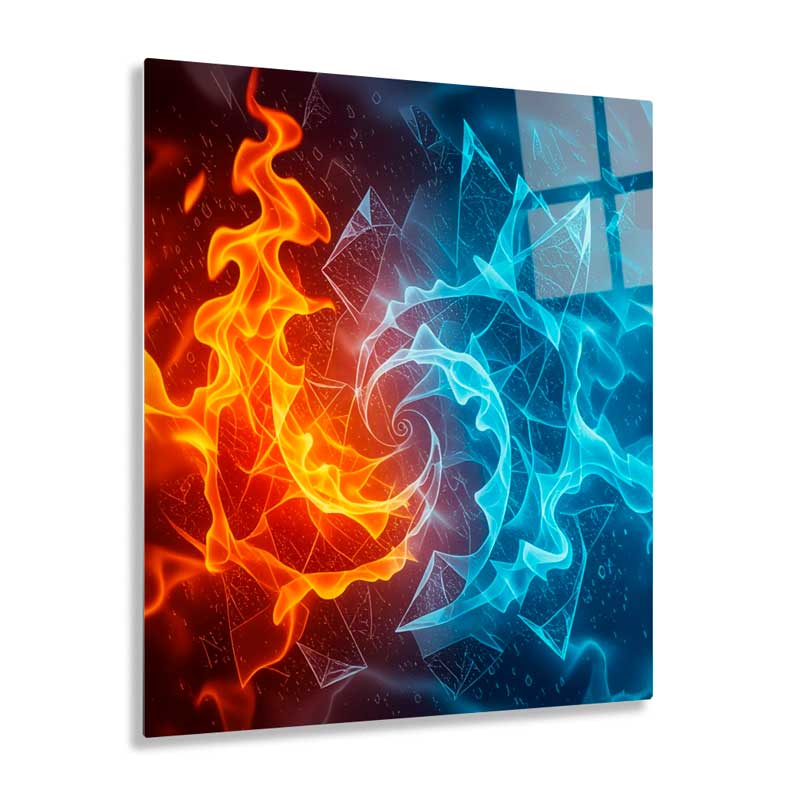
Keep exploring
If you like Minimalist, you'll like…
Buy with confidence
Sizing & hanging guide
- 1
Measure your wall
Width and height of the open space, edge to edge.
- 2
Take 2/3 of it
Art should fill about two-thirds of the available width.
- 3
Match the orientation
Tall walls take portrait; wide walls take landscape.
- Hang centre at 57–60" from the floor — eye level.
- Leave 3–6" between a frame and furniture below it.
- For a group, treat the cluster as one shape.
- Bigger reads as more expensive; don't under-size.
FAQ
Frequently asked
No. While black-and-white line art is a popular subset, minimalism frequently employs color. The distinction is in the application. Minimalist color palettes are usually restricted to one or two dominant tones (such as a large canvas of textured ochre or navy) without gradients, shading, or complex subject matter.
Minimalist art generally benefits from scale. Because the composition is sparse, a small piece can look accidental or lost on a large wall. To make a deliberate statement, choose a size that anchors the furniture below it — typically spanning 50% to 70% of the width of the sofa, bed, or console it hangs above.
Negative space (or "white space") is the empty area surrounding the primary subject of the artwork. In minimalist art, the negative space is treated as an active element of the composition, equal in importance to the lines or shapes themselves. It provides visual rest and emphasizes the subject by isolating it.
Yes, but it requires strict discipline. A minimalist gallery wall works best when the frames are identical and arranged in a precise, symmetrical grid. The artwork should share a cohesive element — such as matching background colors or a consistent line weight — to prevent the collection from looking cluttered.
Definitely! Minimalist doesn't have to mean cold. Choosing pieces with warm, earthy colors (like terracotta or soft beige) or gentle, imperfect lines brings in warmth without any of the clutter.
We love using a wide, thick white mat with a very simple, unadorned frame. It gives the artwork plenty of room to breathe and highlights that beautiful clean look.